96,95 €
96,95 €
inkl. MwSt.
Sofort per Download lieferbar

48 °P sammeln
96,95 €
Als Download kaufen
96,95 €
inkl. MwSt.
Sofort per Download lieferbar
48 °P sammeln
Jetzt verschenken
Alle Infos zum eBook verschenken
96,95 €
inkl. MwSt.
Sofort per Download lieferbar
Alle Infos zum eBook verschenken
48 °P sammeln

Andere Kunden interessierten sich auch für
") Interests and Epistemic Integrity in Science (eBook, ePUB)33,95 €
Interests and Epistemic Integrity in Science (eBook, ePUB)33,95 €") Adam Ferguson and Ethical Integrity (eBook, ePUB)76,95 €
Adam Ferguson and Ethical Integrity (eBook, ePUB)76,95 €") Integrity in the Public and Private Domains (eBook, ePUB)42,95 €
Integrity in the Public and Private Domains (eBook, ePUB)42,95 €") Biotechnology and the Integrity of Life (eBook, ePUB)52,95 €
Biotechnology and the Integrity of Life (eBook, ePUB)52,95 €") Torture and Moral Integrity (eBook, ePUB)18,95 €
Torture and Moral Integrity (eBook, ePUB)18,95 €") The Logic of Commitment (eBook, ePUB)21,95 €
The Logic of Commitment (eBook, ePUB)21,95 €") The Routledge Companion to Bioethics (eBook, ePUB)49,95 €
The Routledge Companion to Bioethics (eBook, ePUB)49,95 €






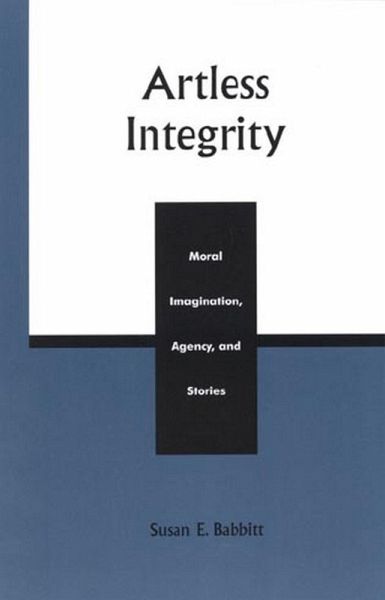
This book considers the nature and exercise of moral imagination in situations in which our ability to act and choose meaningfully is limited by unarticulated expectations. Moral imagination is a cognitive attitude, in which we regard propositions as true. But it also involves orientation. In moral imagination, we regard propositions as true in order to make something else true, and we act and interpret as if it were true. The demand for explanatory unity in such situations - what I call 'explanatory burden' - involves self-constitution, with seeing oneself as a certain sort of person and developing relevant expectations. Whereas it is common to define human well-being in terms of choice and capacities, I suggest that meaningful choice and human capacities are sometimes defined in terms of the actual pursuit and achievement of human well-being. I draw upon examples from literature, film, and historical narrative to suggest that while we think autonomy and agency consist, at least in part, in taking control, we must sometimes be controlled by circumstances and relations in order to occupy an appropriate interpretive perspective for real freedom. I consider the implications of this point for such concepts as respect, friendship and democracy.