63,95 €
inkl. MwSt.
Sofort per Download lieferbar
32 °P sammeln

Andere Kunden interessierten sich auch für
") Astrocytes (eBook, PDF)173,95 €
Astrocytes (eBook, PDF)173,95 €") Cellular Therapy for Neurological Injury (eBook, PDF)47,95 €
Cellular Therapy for Neurological Injury (eBook, PDF)47,95 €") Neurobiology of Body Fluid Homeostasis (eBook, PDF)63,95 €
Neurobiology of Body Fluid Homeostasis (eBook, PDF)63,95 €") The Integrative Functions of The Basal Ganglia (eBook, PDF)183,95 €
The Integrative Functions of The Basal Ganglia (eBook, PDF)183,95 €") Glutathione In The Nervous System (eBook, PDF)61,95 €
Glutathione In The Nervous System (eBook, PDF)61,95 €") Nonclassical Ion Channels in the Nervous System (eBook, PDF)80,95 €
Nonclassical Ion Channels in the Nervous System (eBook, PDF)80,95 €") Stem Cells and Neurodegenerative Diseases (eBook, PDF)158,95 €
Stem Cells and Neurodegenerative Diseases (eBook, PDF)158,95 €

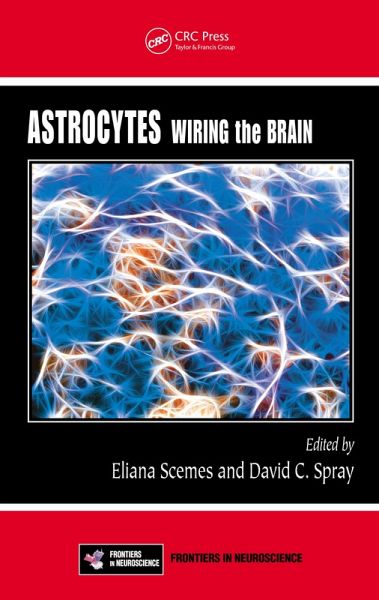
Astrocytes play diverse roles in central nervous system (CNS) function and dysfunction, and the connections that the astrocyte makes with other cells of the brain are essential for a variety of important neural tasks. Bringing together contributions from international experts at the top of their field, Astrocytes: Wiring the Brain emphasizes cellul
Dieser Download kann aus rechtlichen Gründen nur mit Rechnungsadresse in A, B, BG, CY, CZ, D, DK, EW, E, FIN, F, GR, HR, H, IRL, I, LT, L, LR, M, NL, PL, P, R, S, SLO, SK ausgeliefert werden.