19,99 €
19,99 €
inkl. MwSt.
Sofort per Download lieferbar

0 °P sammeln

19,99 €
Als Download kaufen
19,99 €
inkl. MwSt.
Sofort per Download lieferbar
0 °P sammeln
Jetzt verschenken
Alle Infos zum eBook verschenken
19,99 €
inkl. MwSt.
Sofort per Download lieferbar
Alle Infos zum eBook verschenken
0 °P sammeln
- Format: ePub
- Merkliste
- Auf die Merkliste
- Bewerten Bewerten
- Teilen
- Produkt teilen
- Produkterinnerung
- Produkterinnerung

Bitte loggen Sie sich zunächst in Ihr Kundenkonto ein oder registrieren Sie sich bei
bücher.de, um das eBook-Abo tolino select nutzen zu können.
Hier können Sie sich einloggen
Sie sind bereits eingeloggt. Klicken Sie auf 2. tolino select Abo, um fortzufahren.

Bitte loggen Sie sich zunächst in Ihr Kundenkonto ein oder registrieren Sie sich bei bücher.de, um das eBook-Abo tolino select nutzen zu können.
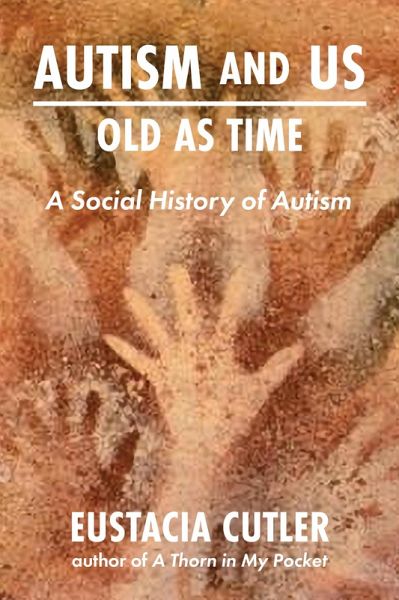
Autism
is old and unruly. It's been a part of us since we first left handprints on
cave walls 40,000 years ago. AUTISM AND US covers a long-stretch
view of its neurological history and how society has judged it. With
quotes from old medical records, folk-tale beliefs, and Victorian literature,
the book conjures up the 19 th century mix of ignorance, cruelty,
fumbling knowledge, and surprising love that led to the first medical
recognition of autism as a social disorder. From that medically significant
recognition has grown our present day neurological and…mehr
- Geräte: eReader
- ohne Kopierschutz
- eBook Hilfe
- FamilySharing(5)
Andere Kunden interessierten sich auch für
Temple GrandinAutism and Adolescence (eBook, ePUB)17,09 €
Temple GrandinThe Way I See It (eBook, ePUB)24,99 €
Kaelynn PartlowLife on the Bridge (eBook, ePUB)11,92 €
Wendela Whitcomb MarshParenting while Autistic (eBook, ePUB)19,99 €
Temple GrandinThe Loving Push, 2nd Edition (eBook, ePUB)20,99 €
Wendela Whitcomb MarshRelating While Autistic (eBook, ePUB)21,99 €
Keith E. WilliamsBroccoli Boot Camp (eBook, ePUB)22,77 €-
-
-
Autism
is old and unruly. It's been a part of us since we first left handprints on
cave walls 40,000 years ago. AUTISM AND US covers a long-stretch
view of its neurological history and how society has judged it. With
quotes from old medical records, folk-tale beliefs, and Victorian literature,
the book conjures up the 19th century mix of ignorance, cruelty,
fumbling knowledge, and surprising love that led to the first medical
recognition of autism as a social disorder. From that medically significant
recognition has grown our present day neurological and cognitive
understanding.
Eustacia Cutler, autism expert and mother of Temple Grandin, delivers a colorful and reliable account of the pioneers it has taken for autism to gain understanding and acceptance in families, neighborhoods, schools and job markets.
Dieser Download kann aus rechtlichen Gründen nur mit Rechnungsadresse in A, B, BG, CY, CZ, D, DK, EW, E, FIN, F, GR, H, IRL, I, LT, L, LR, M, NL, PL, P, R, S, SLO, SK ausgeliefert werden.
Produktdetails
- Produktdetails
- Verlag: Future Horizons
- Seitenzahl: 186
- Erscheinungstermin: 6. September 2022
- Englisch
- ISBN-13: 9781957984032
- Artikelnr.: 65434434
- Verlag: Future Horizons
- Seitenzahl: 186
- Erscheinungstermin: 6. September 2022
- Englisch
- ISBN-13: 9781957984032
- Artikelnr.: 65434434
- Herstellerkennzeichnung Die Herstellerinformationen sind derzeit nicht verfügbar.
Eustacia Cutler, Temple Grandin's mother, earned a B.A. from Harvard, was a band singer at the Pierre Hotel in New York City, performed and composed for New York cabaret, and wrote school lessons for major TV networks. Her research on autism and other disabilities created the scripts for two WGBH television documentaries: The Disquieted and The Innocents, a prize-winning first. Her 2006 book, A Thorn in My Pocket, describes raising her daughter, Temple Grandin, in the conservative world of the 1950s when autistic children were routinely diagnosed as infant schizophrenics. Today Cutler lectures nationally and internationally on autism and its relation to the rapidly emerging bio-neurological study of brain plasticity. She discusses what causes rigid behavior in autism, the toll it takes on the family, and how current research into the neural nature of consciousness is pointing toward insightful possibilities of change. She lives in New York.
Chapter I: The Importance of Early Educational Intervention
Do Not Get Trapped by Labels
Economical Quality Programs for Young Children with ASD
Different Types of Thinking in Autism
Higher Expectations Yield Results
Teaching Turn Taking
What School Is Best for My Child with ASD?
Chapter 2: Teaching & Education
Finding a Child’s Area of Strength
Teaching How to Generalize
The Importance of Developing Talent
Teaching People with Autism/Asperger’s to Be More Flexible
Teaching Concepts to Children with Autism
Bottom-Up Thinking and Learning Rules
Laying the Foundation for Reading Comprehension
Motivating Students
Getting Kids Turned On to Reading
Too Much Video Gaming and Screen Time
Service Dogs and Autism
The Importance of Choices
The Importance of Practical Problem-Solving Skills
Learning to Do Assignments That Other People Appreciate
Learning Never Stops
Chapter 3: Sensory Issues
Sensory Problems Are Variable
Visual Processing Problems in Autism
Auditory Processing and Sound Over Sensitivity in Autism
Incorporating Sensory Methods into Your Autism Program
The Effect of Sensory and Perceptual Difficulties on Learning Patterns
Environmental Enrichment Therapy for Autism
Chapter 4: Understanding Nonverbal Autism
A Social Teenager Trapped Inside
You Asked Me!
Why Do Kids with Autism Stim?
Tito Lives in a World of Sensory Scrambling
Understanding the Mind of a Nonverbal Person with Autism
Solving Behavior Problems in Nonverbal Individuals with Autism
Whole-Task Teaching for Individuals with Severe Autism
Chapter 5: Behavior Issues
Disability versus Just Bad Behaviors
Innovative Methods for Handling Hitting, Biting, and Kicking in Adults with
Severe Autism
Rudeness is Inexcusable
The Need to Be Perfect
Autism & Religion: Teach Goodness
Chapter 6: Social Functioning
Insights into Autistic Social Problems
Learning Social Rules
Emotional Differences Among Individuals with Autism or Asperger’s
Healthy Self-Esteem
Four Cornerstones of Social Awareness
Questions about Connecticut Shooter Adam Lanza, Asperger’s Syndrome, and
SPD
Children with Autism Lack Joint Attention
Chapter 7: Medications & Biomedical Issues
Alternative versus Conventional Medicine
Hidden Medical Problems Can Cause Behavior Problems
Evaluating Treatments
Medication Usage: Risk versus Benefit Decisions
Medical Therapies
My Treatment for Ringing in the Ears
Chapter 8: Cognition & Brain Research
Lose the Social Skills, Gain Savant Skills?
People on the Spectrum Focus on Details
The Extreme Male Theory of Autism
Detect Babies at Risk for Developing Autism with Head Measurements
Thinking in Details
A Look Inside the Visual-Thinking Brain
Brain Cortex Structure Similar in Brilliant Scientists and Autism
The Role of Genetics and Environmental Factors in Causing Autism
Chapter 9: Adult Issues & Employment
Improving Time Management and Organizational Skills
Employment Advice: Tips for Getting and Holding a Job
Teens with ASD Must Learn Both Social and Work Skills to Keep Jobs
Happy People on the Autism Spectrum Have Satisfying Jobs or Hobbies
Inside or Outside? The Autism/Asperger’s Culture
Portfolios Can Open Job and College Opportunities
Going to College: Tips for People with Autism
Finding Mentors and Appropriate Colleges
Reasonable Accommodation for Individuals on the Autism Spectrum
Get Out and Experience Life!
Can My Adolescent Drive a Car?
Innovative Thinking Paves the Way for AS Career Success
The Link Between Autism Genetics and Genius
My Sense of Self-Identity
Do Not Get Trapped by Labels
Economical Quality Programs for Young Children with ASD
Different Types of Thinking in Autism
Higher Expectations Yield Results
Teaching Turn Taking
What School Is Best for My Child with ASD?
Chapter 2: Teaching & Education
Finding a Child’s Area of Strength
Teaching How to Generalize
The Importance of Developing Talent
Teaching People with Autism/Asperger’s to Be More Flexible
Teaching Concepts to Children with Autism
Bottom-Up Thinking and Learning Rules
Laying the Foundation for Reading Comprehension
Motivating Students
Getting Kids Turned On to Reading
Too Much Video Gaming and Screen Time
Service Dogs and Autism
The Importance of Choices
The Importance of Practical Problem-Solving Skills
Learning to Do Assignments That Other People Appreciate
Learning Never Stops
Chapter 3: Sensory Issues
Sensory Problems Are Variable
Visual Processing Problems in Autism
Auditory Processing and Sound Over Sensitivity in Autism
Incorporating Sensory Methods into Your Autism Program
The Effect of Sensory and Perceptual Difficulties on Learning Patterns
Environmental Enrichment Therapy for Autism
Chapter 4: Understanding Nonverbal Autism
A Social Teenager Trapped Inside
You Asked Me!
Why Do Kids with Autism Stim?
Tito Lives in a World of Sensory Scrambling
Understanding the Mind of a Nonverbal Person with Autism
Solving Behavior Problems in Nonverbal Individuals with Autism
Whole-Task Teaching for Individuals with Severe Autism
Chapter 5: Behavior Issues
Disability versus Just Bad Behaviors
Innovative Methods for Handling Hitting, Biting, and Kicking in Adults with
Severe Autism
Rudeness is Inexcusable
The Need to Be Perfect
Autism & Religion: Teach Goodness
Chapter 6: Social Functioning
Insights into Autistic Social Problems
Learning Social Rules
Emotional Differences Among Individuals with Autism or Asperger’s
Healthy Self-Esteem
Four Cornerstones of Social Awareness
Questions about Connecticut Shooter Adam Lanza, Asperger’s Syndrome, and
SPD
Children with Autism Lack Joint Attention
Chapter 7: Medications & Biomedical Issues
Alternative versus Conventional Medicine
Hidden Medical Problems Can Cause Behavior Problems
Evaluating Treatments
Medication Usage: Risk versus Benefit Decisions
Medical Therapies
My Treatment for Ringing in the Ears
Chapter 8: Cognition & Brain Research
Lose the Social Skills, Gain Savant Skills?
People on the Spectrum Focus on Details
The Extreme Male Theory of Autism
Detect Babies at Risk for Developing Autism with Head Measurements
Thinking in Details
A Look Inside the Visual-Thinking Brain
Brain Cortex Structure Similar in Brilliant Scientists and Autism
The Role of Genetics and Environmental Factors in Causing Autism
Chapter 9: Adult Issues & Employment
Improving Time Management and Organizational Skills
Employment Advice: Tips for Getting and Holding a Job
Teens with ASD Must Learn Both Social and Work Skills to Keep Jobs
Happy People on the Autism Spectrum Have Satisfying Jobs or Hobbies
Inside or Outside? The Autism/Asperger’s Culture
Portfolios Can Open Job and College Opportunities
Going to College: Tips for People with Autism
Finding Mentors and Appropriate Colleges
Reasonable Accommodation for Individuals on the Autism Spectrum
Get Out and Experience Life!
Can My Adolescent Drive a Car?
Innovative Thinking Paves the Way for AS Career Success
The Link Between Autism Genetics and Genius
My Sense of Self-Identity
Chapter I: The Importance of Early Educational Intervention
Do Not Get Trapped by Labels
Economical Quality Programs for Young Children with ASD
Different Types of Thinking in Autism
Higher Expectations Yield Results
Teaching Turn Taking
What School Is Best for My Child with ASD?
Chapter 2: Teaching & Education
Finding a Child’s Area of Strength
Teaching How to Generalize
The Importance of Developing Talent
Teaching People with Autism/Asperger’s to Be More Flexible
Teaching Concepts to Children with Autism
Bottom-Up Thinking and Learning Rules
Laying the Foundation for Reading Comprehension
Motivating Students
Getting Kids Turned On to Reading
Too Much Video Gaming and Screen Time
Service Dogs and Autism
The Importance of Choices
The Importance of Practical Problem-Solving Skills
Learning to Do Assignments That Other People Appreciate
Learning Never Stops
Chapter 3: Sensory Issues
Sensory Problems Are Variable
Visual Processing Problems in Autism
Auditory Processing and Sound Over Sensitivity in Autism
Incorporating Sensory Methods into Your Autism Program
The Effect of Sensory and Perceptual Difficulties on Learning Patterns
Environmental Enrichment Therapy for Autism
Chapter 4: Understanding Nonverbal Autism
A Social Teenager Trapped Inside
You Asked Me!
Why Do Kids with Autism Stim?
Tito Lives in a World of Sensory Scrambling
Understanding the Mind of a Nonverbal Person with Autism
Solving Behavior Problems in Nonverbal Individuals with Autism
Whole-Task Teaching for Individuals with Severe Autism
Chapter 5: Behavior Issues
Disability versus Just Bad Behaviors
Innovative Methods for Handling Hitting, Biting, and Kicking in Adults with
Severe Autism
Rudeness is Inexcusable
The Need to Be Perfect
Autism & Religion: Teach Goodness
Chapter 6: Social Functioning
Insights into Autistic Social Problems
Learning Social Rules
Emotional Differences Among Individuals with Autism or Asperger’s
Healthy Self-Esteem
Four Cornerstones of Social Awareness
Questions about Connecticut Shooter Adam Lanza, Asperger’s Syndrome, and
SPD
Children with Autism Lack Joint Attention
Chapter 7: Medications & Biomedical Issues
Alternative versus Conventional Medicine
Hidden Medical Problems Can Cause Behavior Problems
Evaluating Treatments
Medication Usage: Risk versus Benefit Decisions
Medical Therapies
My Treatment for Ringing in the Ears
Chapter 8: Cognition & Brain Research
Lose the Social Skills, Gain Savant Skills?
People on the Spectrum Focus on Details
The Extreme Male Theory of Autism
Detect Babies at Risk for Developing Autism with Head Measurements
Thinking in Details
A Look Inside the Visual-Thinking Brain
Brain Cortex Structure Similar in Brilliant Scientists and Autism
The Role of Genetics and Environmental Factors in Causing Autism
Chapter 9: Adult Issues & Employment
Improving Time Management and Organizational Skills
Employment Advice: Tips for Getting and Holding a Job
Teens with ASD Must Learn Both Social and Work Skills to Keep Jobs
Happy People on the Autism Spectrum Have Satisfying Jobs or Hobbies
Inside or Outside? The Autism/Asperger’s Culture
Portfolios Can Open Job and College Opportunities
Going to College: Tips for People with Autism
Finding Mentors and Appropriate Colleges
Reasonable Accommodation for Individuals on the Autism Spectrum
Get Out and Experience Life!
Can My Adolescent Drive a Car?
Innovative Thinking Paves the Way for AS Career Success
The Link Between Autism Genetics and Genius
My Sense of Self-Identity
Do Not Get Trapped by Labels
Economical Quality Programs for Young Children with ASD
Different Types of Thinking in Autism
Higher Expectations Yield Results
Teaching Turn Taking
What School Is Best for My Child with ASD?
Chapter 2: Teaching & Education
Finding a Child’s Area of Strength
Teaching How to Generalize
The Importance of Developing Talent
Teaching People with Autism/Asperger’s to Be More Flexible
Teaching Concepts to Children with Autism
Bottom-Up Thinking and Learning Rules
Laying the Foundation for Reading Comprehension
Motivating Students
Getting Kids Turned On to Reading
Too Much Video Gaming and Screen Time
Service Dogs and Autism
The Importance of Choices
The Importance of Practical Problem-Solving Skills
Learning to Do Assignments That Other People Appreciate
Learning Never Stops
Chapter 3: Sensory Issues
Sensory Problems Are Variable
Visual Processing Problems in Autism
Auditory Processing and Sound Over Sensitivity in Autism
Incorporating Sensory Methods into Your Autism Program
The Effect of Sensory and Perceptual Difficulties on Learning Patterns
Environmental Enrichment Therapy for Autism
Chapter 4: Understanding Nonverbal Autism
A Social Teenager Trapped Inside
You Asked Me!
Why Do Kids with Autism Stim?
Tito Lives in a World of Sensory Scrambling
Understanding the Mind of a Nonverbal Person with Autism
Solving Behavior Problems in Nonverbal Individuals with Autism
Whole-Task Teaching for Individuals with Severe Autism
Chapter 5: Behavior Issues
Disability versus Just Bad Behaviors
Innovative Methods for Handling Hitting, Biting, and Kicking in Adults with
Severe Autism
Rudeness is Inexcusable
The Need to Be Perfect
Autism & Religion: Teach Goodness
Chapter 6: Social Functioning
Insights into Autistic Social Problems
Learning Social Rules
Emotional Differences Among Individuals with Autism or Asperger’s
Healthy Self-Esteem
Four Cornerstones of Social Awareness
Questions about Connecticut Shooter Adam Lanza, Asperger’s Syndrome, and
SPD
Children with Autism Lack Joint Attention
Chapter 7: Medications & Biomedical Issues
Alternative versus Conventional Medicine
Hidden Medical Problems Can Cause Behavior Problems
Evaluating Treatments
Medication Usage: Risk versus Benefit Decisions
Medical Therapies
My Treatment for Ringing in the Ears
Chapter 8: Cognition & Brain Research
Lose the Social Skills, Gain Savant Skills?
People on the Spectrum Focus on Details
The Extreme Male Theory of Autism
Detect Babies at Risk for Developing Autism with Head Measurements
Thinking in Details
A Look Inside the Visual-Thinking Brain
Brain Cortex Structure Similar in Brilliant Scientists and Autism
The Role of Genetics and Environmental Factors in Causing Autism
Chapter 9: Adult Issues & Employment
Improving Time Management and Organizational Skills
Employment Advice: Tips for Getting and Holding a Job
Teens with ASD Must Learn Both Social and Work Skills to Keep Jobs
Happy People on the Autism Spectrum Have Satisfying Jobs or Hobbies
Inside or Outside? The Autism/Asperger’s Culture
Portfolios Can Open Job and College Opportunities
Going to College: Tips for People with Autism
Finding Mentors and Appropriate Colleges
Reasonable Accommodation for Individuals on the Autism Spectrum
Get Out and Experience Life!
Can My Adolescent Drive a Car?
Innovative Thinking Paves the Way for AS Career Success
The Link Between Autism Genetics and Genius
My Sense of Self-Identity