The Role of Nature in Modern and Contemporary Art and Literature Redaktion: Oyarzun, Eduardo Valls; Sánchez, Rebeca Cordero; Jiménez, María Colom; Garcia, Noelia Malla; Valverde, Rebeca Gualberto
The Role of Nature in Modern and Contemporary Art and Literature Redaktion: Oyarzun, Eduardo Valls; Sánchez, Rebeca Cordero; Jiménez, María Colom; Garcia, Noelia Malla; Valverde, Rebeca Gualberto
Sie sind bereits eingeloggt. Klicken Sie auf 2. tolino select Abo, um fortzufahren.
Bitte loggen Sie sich zunächst in Ihr Kundenkonto ein oder registrieren Sie sich bei bücher.de, um das eBook-Abo tolino select nutzen zu können.
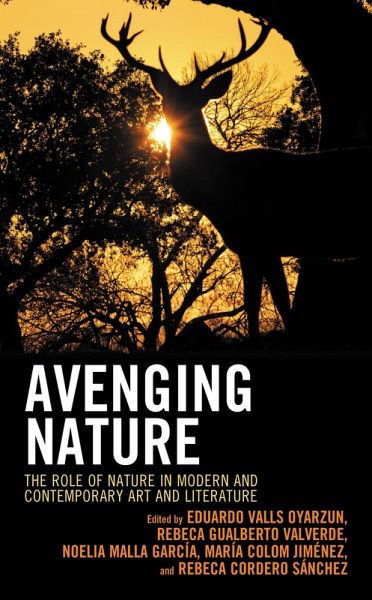
"Nature, thou art my goddess"-Edmund's bold assertion in King Lear could easily inspire and, at the same time, function as a lamentation of the inadequate respect of nature in culture. In this volume, international experts provide multidisciplinary exploration of the insubordinate representations of nature in modern and contemporary literature and art. The work foregrounds the need to reassess how nature is already, and has been for a while, striking back against human domination. From the perspective of literary studies, art, history, media studies, ethics and philosophy, and ethnology and…mehr
"Nature, thou art my goddess"-Edmund's bold assertion in King Lear could easily inspire and, at the same time, function as a lamentation of the inadequate respect of nature in culture. In this volume, international experts provide multidisciplinary exploration of the insubordinate representations of nature in modern and contemporary literature and art. The work foregrounds the need to reassess how nature is already, and has been for a while, striking back against human domination. From the perspective of literary studies, art, history, media studies, ethics and philosophy, and ethnology and anthropology, Avenging Nature highlights the need of assessing insurgent discourses that-converging with counter-discourses of race, gender or class-realize the empowerment of nature from its subaltern position. Acknowledging the argument that cultural representations of nature establish a relationship of domination and exploitation of human discourse over nonhuman reality and that, in consequence, our regard for nature as humanist critics is instrumental and anthropocentric, the present volume advocates for the view that the time has come to finally perceive nature's vengeance and to critically probe into nature's ongoing revenge against the exploitation of culture.
Die Herstellerinformationen sind derzeit nicht verfügbar.
Autorenporträt
Eduardo Valls Oyarzun lectures at the Department of English and American Literature, Complutense University of Madrid. Rebeca Gualberto Valverde works as assistant professor at the Complutense University of Madrid. Noelia Malla García works as an assistant professor of English at the Department of English Philology at the University of Extremadura. María Colom Jiménez works as an assistant professor at Complutense University of Madrid. Before becoming a language teacher, Rebeca Cordero Sánchez worked as a research assistant in the English Department at the Complutense University of Madrid.
Inhaltsangabe
Introduction, Eduardo Valls Oyarzun Part I Towards a New Ecocritical Ethics: Cultural Perspectives Chapter 1. Bringing Culture Back to Nature: A Biosemiotic Reading of Annie Dillard's Pilgrim at Tinker Creek, Anastasia Cardone Chapter 2. "Have You Seen the Snow Leopard?": Animal Commodity Resistance in Peter Matthiessen's The Snow Leo, Frank Izaguirre Chapter 3. "With One Arm I Supported Her: The Other Arm Was the Executioner's": An Ecofeminist Reading of Anna Kavan's Ice, Laura de la Parra Chapter 4. "We Were Neither What We Had Been Nor What We Would Become": Frankensteinian Science and Liminal States in Jeff VanderMeer'sAnnihilation, Jessica Roberts Chapter 5. Santiago Rusiñol's Abandoned Gardens: Between the Poetics of Ruin and the Defense of a Lost Identity, Laura Sanz García Part II Empowering Nature: Transcending Anthropocentrism in the Anthropocene Chapter 6. Welcoming Cosmos: A Comparative Study of Narrative, Nature and Cosmopolitanism in The Wall and Pond, Hande Gurses Chapter 7. A Few Sockeyes and Dying Embers in What Is Left of the Forest: Settler Culture and Changing Views of Nature in Gail Anderson Dargatz's Latest Novels, Pedro Miguel Carmona Chapter 8. The Last Epigram: Christian Bök'sXenotext, Ryan Winet Chapter 9. A Poetic Correspondence on Ecology and the Green World: Allan Cooper and Harry Thurston'sThe Deer Yard, Leonor Martínez Chapter 10. Wonders and Threats of Symbiotic Relationships in the Anthropocene: Jeff VanderMeer's The Southern ReachTrilogy, Patrycja Austin Part III The Age of Dystopia: Nature against Culture in Contemporary Literature and Film Chapter 11. Demonizing Nature: Ecocriticism and Popular Fantasy, Peter Melville Chapter 12. Accepting the X: Uncanny Encounters with Nature and the Wilderness in Jeff Vandermeer'sThe Southern Reach Trilogy, Carmen Méndez Chapter 13. Ecocritical Archaeologies of Global Ecocide in 21st-Century Post-Apocalyptic Films, Mónica Martí Chapter 14. Biohazard, Eco-terror and the Rise of Post-Human Dystopia: Re (b) ordering Space to Promote Environmental Ethics in ZalBatmanglij'sThe East and Cormac McCarthy's The Road, Paula Barba Guerrero Chapter 15. Another Inconvenient Truth: Hollywood, the Myth of GreenCapitalism, Víctor Junco Chapter 16. De-Evolution, Dystopia and Apocalypse in American Postmodern Speculative Fiction, Javier Martín Párraga Index About the Editors About the Contributors
Introduction, Eduardo Valls Oyarzun Part I Towards a New Ecocritical Ethics: Cultural Perspectives Chapter 1. Bringing Culture Back to Nature: A Biosemiotic Reading of Annie Dillard's Pilgrim at Tinker Creek, Anastasia Cardone Chapter 2. "Have You Seen the Snow Leopard?": Animal Commodity Resistance in Peter Matthiessen's The Snow Leo, Frank Izaguirre Chapter 3. "With One Arm I Supported Her: The Other Arm Was the Executioner's": An Ecofeminist Reading of Anna Kavan's Ice, Laura de la Parra Chapter 4. "We Were Neither What We Had Been Nor What We Would Become": Frankensteinian Science and Liminal States in Jeff VanderMeer'sAnnihilation, Jessica Roberts Chapter 5. Santiago Rusiñol's Abandoned Gardens: Between the Poetics of Ruin and the Defense of a Lost Identity, Laura Sanz García Part II Empowering Nature: Transcending Anthropocentrism in the Anthropocene Chapter 6. Welcoming Cosmos: A Comparative Study of Narrative, Nature and Cosmopolitanism in The Wall and Pond, Hande Gurses Chapter 7. A Few Sockeyes and Dying Embers in What Is Left of the Forest: Settler Culture and Changing Views of Nature in Gail Anderson Dargatz's Latest Novels, Pedro Miguel Carmona Chapter 8. The Last Epigram: Christian Bök'sXenotext, Ryan Winet Chapter 9. A Poetic Correspondence on Ecology and the Green World: Allan Cooper and Harry Thurston'sThe Deer Yard, Leonor Martínez Chapter 10. Wonders and Threats of Symbiotic Relationships in the Anthropocene: Jeff VanderMeer's The Southern ReachTrilogy, Patrycja Austin Part III The Age of Dystopia: Nature against Culture in Contemporary Literature and Film Chapter 11. Demonizing Nature: Ecocriticism and Popular Fantasy, Peter Melville Chapter 12. Accepting the X: Uncanny Encounters with Nature and the Wilderness in Jeff Vandermeer'sThe Southern Reach Trilogy, Carmen Méndez Chapter 13. Ecocritical Archaeologies of Global Ecocide in 21st-Century Post-Apocalyptic Films, Mónica Martí Chapter 14. Biohazard, Eco-terror and the Rise of Post-Human Dystopia: Re (b) ordering Space to Promote Environmental Ethics in ZalBatmanglij'sThe East and Cormac McCarthy's The Road, Paula Barba Guerrero Chapter 15. Another Inconvenient Truth: Hollywood, the Myth of GreenCapitalism, Víctor Junco Chapter 16. De-Evolution, Dystopia and Apocalypse in American Postmodern Speculative Fiction, Javier Martín Párraga Index About the Editors About the Contributors
Es gelten unsere Allgemeinen Geschäftsbedingungen: www.buecher.de/agb
Impressum
www.buecher.de ist ein Internetauftritt der buecher.de internetstores GmbH
Geschäftsführung: Monica Sawhney | Roland Kölbl | Günter Hilger
Sitz der Gesellschaft: Batheyer Straße 115 - 117, 58099 Hagen
Postanschrift: Bürgermeister-Wegele-Str. 12, 86167 Augsburg
Amtsgericht Hagen HRB 13257
Steuernummer: 321/5800/1497
USt-IdNr: DE450055826