68,95 €
68,95 €
inkl. MwSt.
Sofort per Download lieferbar

34 °P sammeln
68,95 €
Als Download kaufen
68,95 €
inkl. MwSt.
Sofort per Download lieferbar
34 °P sammeln
Jetzt verschenken
Alle Infos zum eBook verschenken
68,95 €
inkl. MwSt.
Sofort per Download lieferbar
Alle Infos zum eBook verschenken
34 °P sammeln

Andere Kunden interessierten sich auch für
") The Concept of World from Kant to Derrida (eBook, ePUB)40,95 €
The Concept of World from Kant to Derrida (eBook, ePUB)40,95 €") Philosophy, Biopolitics, and the Virus (eBook, ePUB)65,95 €
Philosophy, Biopolitics, and the Virus (eBook, ePUB)65,95 €") Thinking Catherine Malabou (eBook, ePUB)34,95 €
Thinking Catherine Malabou (eBook, ePUB)34,95 €") Being and Not Being (eBook, PDF)68,95 €
Being and Not Being (eBook, PDF)68,95 €") Butler on Whitehead (eBook, ePUB)91,95 €
Butler on Whitehead (eBook, ePUB)91,95 €") Historical Traces and Future Pathways of Poststructuralism (eBook, ePUB)39,95 €
Historical Traces and Future Pathways of Poststructuralism (eBook, ePUB)39,95 €") Heidegger in the Face of the Environmental Question (eBook, ePUB)42,95 €
Heidegger in the Face of the Environmental Question (eBook, ePUB)42,95 €


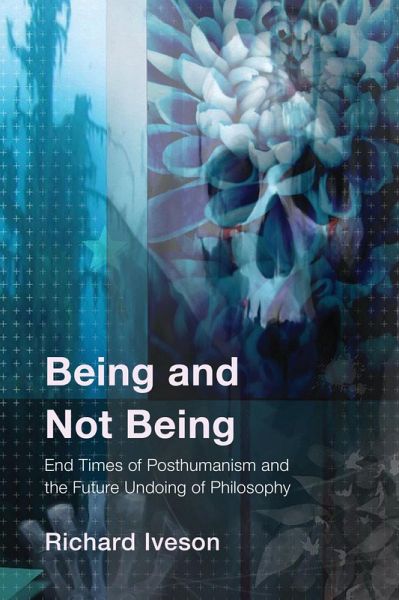
Against the grain of many contemporary theoretical positions that indulge in delusions of safety and certainty, Being and Not Being argues that contingency is definitive of the structure of being itself. As a result, any predictions about the future founded upon present or habitual states of being are necessarily subject to possible error given the unpredictability that is the condition of all emergent forms of being. Rather than signal the absenceof an ethical dimension, this prior inscription of potential, which gives rise to profoundly unforeseen forms of being, necessarily invokes an a priori ethical demand that is common to biological and technological systems alike. This ethical demand transforms the 'rules' of critical and ethical engagement not simply with other, 'inhuman' forms of being, but with the future itself. Indeed, this ethical demand requires us to pose serious questions about the legitimacy and usefulness of any decisions made today on the back of predicted futures that erroneously presume the absolute determinability of all beings lacking the alchemical privilege definitive of life. As the exemplary figure of unfounded privilege, it is with Hamlet that the question of life ultimately ends, replaced instead by the extremophile as the figure of unforeseen futures that simply cannot be imagined in the present. To be is the potential to be otherwise, that is to say, to not be that which a given being is.