
2,99 €
2,99 €
inkl. MwSt.
Sofort per Download lieferbar

1 °P sammeln
2,99 €
Als Download kaufen
2,99 €
inkl. MwSt.
Sofort per Download lieferbar
1 °P sammeln
Jetzt verschenken
Alle Infos zum eBook verschenken
2,99 €
inkl. MwSt.
Sofort per Download lieferbar
Alle Infos zum eBook verschenken
1 °P sammeln

Andere Kunden interessierten sich auch für
") Birth of Bangladesh as Canada Walks a Diplomatic Tightrope (eBook, ePUB)2,99 €
Birth of Bangladesh as Canada Walks a Diplomatic Tightrope (eBook, ePUB)2,99 €") Birth of Bangladesh as Canada Walks a Diplomatic Tightrope (eBook, ePUB)2,99 €
Birth of Bangladesh as Canada Walks a Diplomatic Tightrope (eBook, ePUB)2,99 € of the Russian Empire (eBook, ePUB)") Here Come the Russians: The Diplomatic Visits to the United States By the Ministers Plenipotentiary (and Later Ambassadors) of the Russian Empire (eBook, ePUB)3,99 €
Here Come the Russians: The Diplomatic Visits to the United States By the Ministers Plenipotentiary (and Later Ambassadors) of the Russian Empire (eBook, ePUB)3,99 €") The Keeper of the Lighthouse: A Migrant's Story (eBook, ePUB)4,49 €
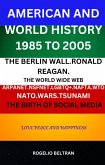
The Keeper of the Lighthouse: A Migrant's Story (eBook, ePUB)4,49 €") American and World History 1985 to 2005: The Berlin Wall.Ronald Reagan. The World Wide Web Arpanet Nsfnet Nafta Wto Nato Wars Tsunami The Birth of Social Media (eBook, ePUB)4,99 €
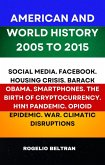
American and World History 1985 to 2005: The Berlin Wall.Ronald Reagan. The World Wide Web Arpanet Nsfnet Nafta Wto Nato Wars Tsunami The Birth of Social Media (eBook, ePUB)4,99 €") American and World History 2005 to 2015: Social Media.Facebook.Housing Crisis.Barack Obama.Smartphones.The Birth of Cryptocurrency.H1N1 Pandemic.Opiod Epidemic.War.Climatic Disruptions (eBook, ePUB)4,99 €
American and World History 2005 to 2015: Social Media.Facebook.Housing Crisis.Barack Obama.Smartphones.The Birth of Cryptocurrency.H1N1 Pandemic.Opiod Epidemic.War.Climatic Disruptions (eBook, ePUB)4,99 €") The birth of modern London (eBook, ePUB)17,95 €
The birth of modern London (eBook, ePUB)17,95 €





Volume 2 of The Birth of Bangladesh as Canada Walks a Diplomatic Tightrope comprises four chapters that examine Canada's initiatives, its dilemmas, a chronological account of its diplomatic measures, and the recognition of Bangladesh immediately after its birth, as well as the allocation of resources to rebuild war-shattered Bangladesh. Due to her policy of non-intervention in the internal affairs of another country, Canada did not want to be directly involved. Canada was outraged to see how Sheikh Mujibur Rahman became the fall guy despite being the leader of the majority party in Pakistan. Canada was distressed to see the consequences of the ongoing military reprisals on Bengalis.
Canada remained doubly cautious amid all the commotion, as it had a hands-off policy regarding India-Pakistan. Canada explored several ways to address the conflict individually, including counseling the national leaders of India and Pakistan to exercise restraint, collectively pressuring the UN, providing funds to the national and international NGOs, and lobbying for the release of Sheikh Mujibur Rahman, who was to take charge of the country. Due to its neutral policy, Canada procrastinated and was unable to develop a declaratory position paper. Canada genuinely feared that any open discussion on the Bangladesh issue might incite Quebec separatists to find a nexus to the problem at home, about Quebec's quest for independence and the Bengalis' fight for freedom for their native land. Canada's actions, inactions, and 'wait-and-see' approach were based on a broader context of non-intervention in the internal affairs of another country. Following the birth of Bangladesh, when Canada had no constraints, Canada immediately allocated resources to rebuild the war-torn country. The friendship between the two continues to grow.
Canada remained doubly cautious amid all the commotion, as it had a hands-off policy regarding India-Pakistan. Canada explored several ways to address the conflict individually, including counseling the national leaders of India and Pakistan to exercise restraint, collectively pressuring the UN, providing funds to the national and international NGOs, and lobbying for the release of Sheikh Mujibur Rahman, who was to take charge of the country. Due to its neutral policy, Canada procrastinated and was unable to develop a declaratory position paper. Canada genuinely feared that any open discussion on the Bangladesh issue might incite Quebec separatists to find a nexus to the problem at home, about Quebec's quest for independence and the Bengalis' fight for freedom for their native land. Canada's actions, inactions, and 'wait-and-see' approach were based on a broader context of non-intervention in the internal affairs of another country. Following the birth of Bangladesh, when Canada had no constraints, Canada immediately allocated resources to rebuild the war-torn country. The friendship between the two continues to grow.
Dieser Download kann aus rechtlichen Gründen nur mit Rechnungsadresse in A, D ausgeliefert werden.