22,95 €
22,95 €
inkl. MwSt.
Erscheint vor. 21.07.26

11 °P sammeln
22,95 €
Als Download kaufen
22,95 €
inkl. MwSt.
Erscheint vor. 21.07.26
11 °P sammeln
Jetzt verschenken
Alle Infos zum eBook verschenken
22,95 €
inkl. MwSt.
Erscheint vor. 21.07.26
Alle Infos zum eBook verschenken
11 °P sammeln

Andere Kunden interessierten sich auch für
") Re-Imagining Black Women (eBook, ePUB)23,95 €
Re-Imagining Black Women (eBook, ePUB)23,95 €") Imagining Black Womanhood (eBook, ePUB)25,95 €
Imagining Black Womanhood (eBook, ePUB)25,95 €") Getting Played (eBook, ePUB)23,95 €
Getting Played (eBook, ePUB)23,95 €") Anarcho-Blackness (eBook, ePUB)7,99 €
Anarcho-Blackness (eBook, ePUB)7,99 €") The Undesirable Many (eBook, ePUB)17,95 €
The Undesirable Many (eBook, ePUB)17,95 €") America, Goddam (eBook, ePUB)18,95 €
America, Goddam (eBook, ePUB)18,95 €") The Strong Black Woman (eBook, ePUB)5,99 €
The Strong Black Woman (eBook, ePUB)5,99 €




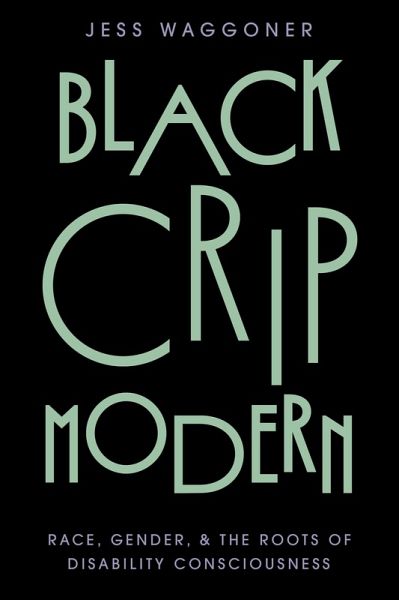
Black Crip Modern uncovers how early twentieth-century Black writers, artists, and activists laid the groundwork for modern disability consciousness. Under Jim Crow, Black disabled citizens were excluded from social services and medical reforms, even as racist violence, carceral surveillance, eugenic logic, and exploitative labor conditions deepened disabling experiences. Through literature, film, photography, and personal testimony, Black modernists registered these compounded injustices and articulated new ways of thinking about illness, impairment, and care.
Engaging the work of figures such as Zora Neale Hurston, Claude McKay, Wallace Thurman, Pauli Murray, Langston Hughes and Marita Bonner, Jess Waggoner traces how Black cultural production challenged both white supremacy and ableist ideals of progress. In their writing, Waggoner finds an early "Black crip modern" consciousness-one that rejected eugenic reform, critiqued racialized caregiving hierarchies, and envisioned collective care grounded in feminist and anti-carceral principles.
In conversation with contemporary disability justice movements, Black Crip Modern reveals how Black thinkers and artists forged a disability politics before it was formally named. By assembling these overlooked histories of Black ill and disabled life, Waggoner reframes the foundations of disability studies and insists that Black cultural production has always been central to the struggle for bodily autonomy, access, and justice.
Engaging the work of figures such as Zora Neale Hurston, Claude McKay, Wallace Thurman, Pauli Murray, Langston Hughes and Marita Bonner, Jess Waggoner traces how Black cultural production challenged both white supremacy and ableist ideals of progress. In their writing, Waggoner finds an early "Black crip modern" consciousness-one that rejected eugenic reform, critiqued racialized caregiving hierarchies, and envisioned collective care grounded in feminist and anti-carceral principles.
In conversation with contemporary disability justice movements, Black Crip Modern reveals how Black thinkers and artists forged a disability politics before it was formally named. By assembling these overlooked histories of Black ill and disabled life, Waggoner reframes the foundations of disability studies and insists that Black cultural production has always been central to the struggle for bodily autonomy, access, and justice.
Dieser Download kann aus rechtlichen Gründen nur mit Rechnungsadresse in A, D ausgeliefert werden.