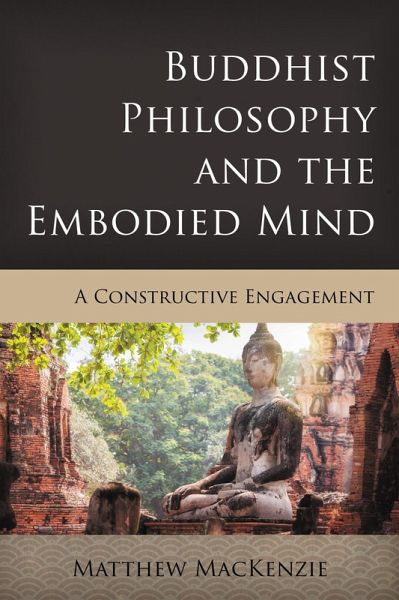
25,95 €
25,95 €
inkl. MwSt.
Sofort per Download lieferbar

13 °P sammeln
25,95 €
Als Download kaufen
25,95 €
inkl. MwSt.
Sofort per Download lieferbar
13 °P sammeln
Jetzt verschenken
Alle Infos zum eBook verschenken
25,95 €
inkl. MwSt.
Sofort per Download lieferbar
Alle Infos zum eBook verschenken
13 °P sammeln

Andere Kunden interessierten sich auch für
") Embodied Moral Psychology and Confucian Philosophy (eBook, PDF)35,95 €
Embodied Moral Psychology and Confucian Philosophy (eBook, PDF)35,95 €") Buddhist Philosophy and the Embodied Mind (eBook, ePUB)25,95 €
Buddhist Philosophy and the Embodied Mind (eBook, ePUB)25,95 €") Traditional Korean Philosophy (eBook, PDF)38,95 €
Traditional Korean Philosophy (eBook, PDF)38,95 €") The Early Confucian Philosophy of Agency (eBook, PDF)62,95 €
The Early Confucian Philosophy of Agency (eBook, PDF)62,95 €") The Idea of Qi/Gi (eBook, PDF)69,95 €
The Idea of Qi/Gi (eBook, PDF)69,95 €") Semantic-Truth Approaches in Chinese Philosophy (eBook, PDF)91,95 €
Semantic-Truth Approaches in Chinese Philosophy (eBook, PDF)91,95 €") Contemporary Japanese Philosophy (eBook, PDF)34,95 €
Contemporary Japanese Philosophy (eBook, PDF)34,95 €




In the last 30 years, embodied, embedded, enactive, and extended (4E) accounts of mind and experience have flourished. A more cosmopolitan and pluralistic approach to the philosophy of mind has also emerged, drawing on analytic, phenomenological, pragmatist, and non-Western sources and traditions. This is the first book to fully engage the 4E approach and Buddhist philosophy, drawing on and integrating the intersection of enactivism and Buddhist thought. This book deepens and extends the dialogue between Buddhist philosophy and 4E philosophy of mind and phenomenology. It engages with core issues in the philosophy of mind broadly construed in and through the dialogue between Buddhism and enactivism. Indian philosophers developed and defended philosophically sophisticated and phenomenologically rich accounts of mind, self, cognition, perception, embodiment, and more. As a work of cross-cultural philosophy, the book investigates the nature of mind and experience in dialogue with Indian and Western thinkers. On the basis of this cross-traditional dialogue, the book articulates and defends a dynamic, non-substantialist, and embodied account of experience, subjectivity, and self.