75,95 €
inkl. MwSt.
Sofort per Download lieferbar
38 °P sammeln

Andere Kunden interessierten sich auch für
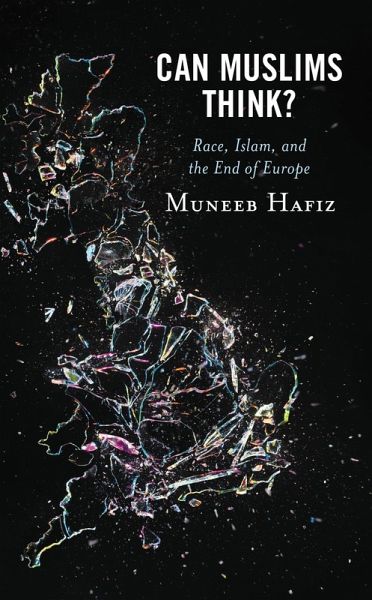
") Can Muslims Think? (eBook, PDF)75,95 €
Can Muslims Think? (eBook, PDF)75,95 €") Chicago Muslims and the Transformation of American Islam (eBook, ePUB)72,95 €
Chicago Muslims and the Transformation of American Islam (eBook, ePUB)72,95 €") Global Perspectives on Prostitution and Sex Trafficking (eBook, ePUB)45,95 €
Global Perspectives on Prostitution and Sex Trafficking (eBook, ePUB)45,95 €") Social Security Policy in Hong Kong (eBook, ePUB)82,95 €
Social Security Policy in Hong Kong (eBook, ePUB)82,95 €") Perceptions of Ethnicity, Religion, and Radicalization among Second-Generation Pakistani-Canadians (eBook, ePUB)69,95 €
Perceptions of Ethnicity, Religion, and Radicalization among Second-Generation Pakistani-Canadians (eBook, ePUB)69,95 €") Radical Skin, Moderate Masks (eBook, ePUB)34,95 €
Radical Skin, Moderate Masks (eBook, ePUB)34,95 €") Church, State, and Race (eBook, ePUB)59,95 €
Church, State, and Race (eBook, ePUB)59,95 €





As Europe goes astray, deeply conflicted about where it is within and with the world, it does not know what it wants to know about, or do, with the racial subject. In this situation, the Muslim becomes an intense source of anxiety, one that is at once terrifying and called to answer for Europe's existential fear of relegation. Islamophobia thus represents both the racism constitutive of European modernity and is also symptomatic of contemporary transformations in racist power, knowledge, and governance, propelled by technologies and economies of endless wars on terror. But how might the Muslim speak about the world, its past, and unfolding terrors? Which questions must she answer, and which answers does Europe deem acceptable? Presenting a speculative theory of the post-racial subject of Islamophobia, Can Muslims Think? is an attempt to build a vocabulary for analyzing the complexities of racism today, its potential futurity, and techniques for its dismantling.