21,95 €
21,95 €
inkl. MwSt.
Sofort per Download lieferbar

11 °P sammeln
21,95 €
Als Download kaufen
21,95 €
inkl. MwSt.
Sofort per Download lieferbar
11 °P sammeln
Jetzt verschenken
Alle Infos zum eBook verschenken
21,95 €
inkl. MwSt.
Sofort per Download lieferbar
Alle Infos zum eBook verschenken
11 °P sammeln

Andere Kunden interessierten sich auch für
") Mao: The Unknown Story (eBook, ePUB)12,99 €
Mao: The Unknown Story (eBook, ePUB)12,99 €") World History in Minutes (eBook, ePUB)3,99 €
World History in Minutes (eBook, ePUB)3,99 €") The Mind and the Market (eBook, ePUB)10,95 €
The Mind and the Market (eBook, ePUB)10,95 €") Murder Capital (eBook, ePUB)75,95 €
Murder Capital (eBook, ePUB)75,95 €") Human capital and empire (eBook, ePUB)82,95 €
Human capital and empire (eBook, ePUB)82,95 €") Delhi:Unknown Tales of a City (eBook, ePUB)6,99 €
Delhi:Unknown Tales of a City (eBook, ePUB)6,99 €") Capital Crimes (eBook, ePUB)12,99 €
Capital Crimes (eBook, ePUB)12,99 €






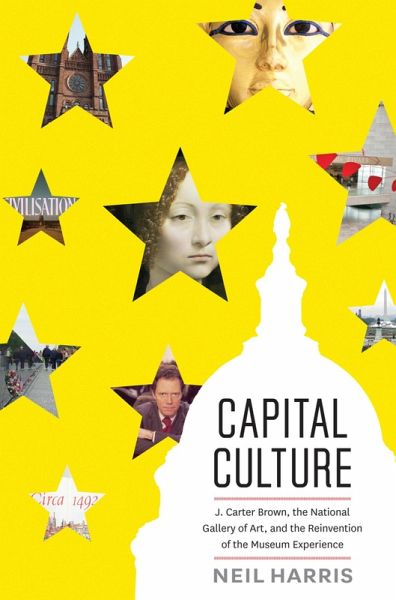
American art museums flourished in the late twentieth century, andthe impresario leading much of this growth was J. Carter Brown, director of the National Gallery of Art in Washington, DC, from 1969 to 1992.Along with S. Dillon Ripley, who served as Smithsonian secretary for much of this time, Brown reinvented the museum experience in ways that had important consequences for the cultural life of Washington and its visitors as well as for American museums in general. In Capital Culture, distinguished historian Neil Harris provides a wide-ranging look at Brown's achievement and the growth of museum culture during this crucial period. Harris combines his in-depth knowledge of American history and culture with extensive archival research, and he has interviewed dozens of key players to reveal how Brown's showmanship transformed the National Gallery. At the time of the Cold War, Washington itself was growing into a global destination, with Brown as its devoted booster.Harris describes Brown's major role in the birth of blockbuster exhibitions, such as the King Tut show of the late 1970s and the National Gallery's immensely successful Treasure Houses of Britain, which helped inspire similarly popular exhibitions around the country. He recounts Brown's role in creating the award-winning East Building by architect I. M. Pei and the subsequent renovation of the West building. Harris also explores the politics of exhibition planning, describing Brown's courtship of corporate leaders, politicians, and international dignitaries. In this monumental book Harris brings to life this dynamic era and exposes the creation of Brown's impressive but costly legacy, one that changed the face of American museums forever.