36,95 €
inkl. MwSt.
Sofort per Download lieferbar
18 °P sammeln

Andere Kunden interessierten sich auch für
") Carbon Capitalism (eBook, ePUB)36,95 €
Carbon Capitalism (eBook, ePUB)36,95 €") The Tragedy of Human Development (eBook, PDF)33,95 €
The Tragedy of Human Development (eBook, PDF)33,95 €") Multilevel Governance and Climate Change (eBook, PDF)36,95 €
Multilevel Governance and Climate Change (eBook, PDF)36,95 €") Low Carbon Politics (eBook, PDF)43,95 €
Low Carbon Politics (eBook, PDF)43,95 €") Climate Clever (eBook, PDF)26,95 €
Climate Clever (eBook, PDF)26,95 €") The Politics of Low-Carbon Innovation (eBook, PDF)40,95 €
The Politics of Low-Carbon Innovation (eBook, PDF)40,95 €") The Ethics of Climate Governance (eBook, PDF)36,95 €
The Ethics of Climate Governance (eBook, PDF)36,95 €
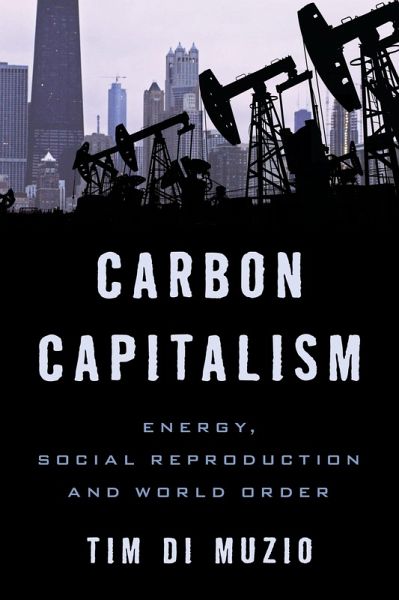
Modern civilization and the social reproduction of capitalism are bound inextricably with fossil fuel consumption. But as carbon energy resources become scarcer, what implications will this have for energy-intensive modes of life? Can renewable energy sustain high levels of accumulation?? Or will we witness the end of existing capitalist economies? This book provides an innovative and timely study that mobilizes a new theory of capitalism to explain the rise and fall of petro-market civilization. Di Muzio investigates how theorists of political economy have largely taken energy for granted and illuminates how the exploitation of fossil fuels increased the universalization and magnitude of capital accumulation. He then examines the likelihood of renewable resources providing a feasible alternative and asks whether they can beat peak oil prices to sustain food production, health care, science and democracy. Using the capital as power framework, this book considers the unevenly experienced consequences of monetizing fossil fuels for people and the planet.