62,95 €
inkl. MwSt.
Sofort per Download lieferbar
31 °P sammeln

Andere Kunden interessierten sich auch für
") Carceral Recovery (eBook, ePUB)62,95 €
Carceral Recovery (eBook, ePUB)62,95 €") Trusting Recovery and Desistance (eBook, PDF)45,95 €
Trusting Recovery and Desistance (eBook, PDF)45,95 €") Race, Class, Power, and Organizing in East Baltimore (eBook, PDF)39,95 €
Race, Class, Power, and Organizing in East Baltimore (eBook, PDF)39,95 €") No Longer Homeless (eBook, PDF)19,95 €
No Longer Homeless (eBook, PDF)19,95 €") Mindfulness-Related Treatments and Addiction Recovery (eBook, PDF)44,95 €
Mindfulness-Related Treatments and Addiction Recovery (eBook, PDF)44,95 €") Stories of Addiction Recovery (eBook, PDF)38,95 €
Stories of Addiction Recovery (eBook, PDF)38,95 €") The Soul of Recovery (eBook, PDF)22,95 €
The Soul of Recovery (eBook, PDF)22,95 €



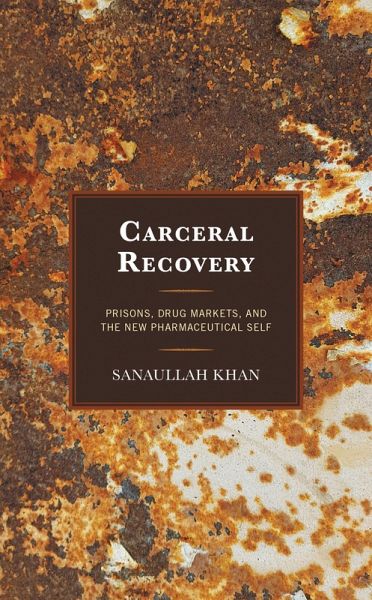
The book explores the interrelation between carceral conditions and substance use by considering the intersections between drug markets, sidewalks, households, and prisons in Baltimore. Sanaullah Khan argues that while housing, medicalization, and incarceration fundamentally create the conditions for substance use, individuals are increasingly experiencing the paradoxes of care and punishment by being propelled into a new regime of recovery which creates new pharmaceuticalized identities. By shedding light on how addiction and the impetus for healing moves through families and institutions of the state, Khan provides an account of the different competing forces that shape substance use, recovery, and relapse. Through a combination of archival research and ethnography, the book makes a case for disentangling punishment from recovery.