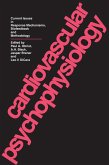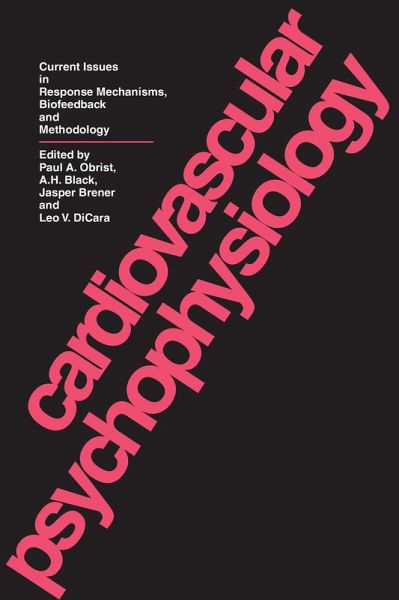
Cardiovascular Psychophysiology (eBook, PDF)
Current Issues in Response Mechanisms, Biofeedback and Methodology
Alle Infos zum eBook verschenken
Cardiovascular Psychophysiology (eBook, PDF)
Current Issues in Response Mechanisms, Biofeedback and Methodology
- Format: PDF
- Merkliste
- Auf die Merkliste
- Bewerten Bewerten
- Teilen
- Produkt teilen
- Produkterinnerung
- Produkterinnerung

Hier können Sie sich einloggen

Bitte loggen Sie sich zunächst in Ihr Kundenkonto ein oder registrieren Sie sich bei bücher.de, um das eBook-Abo tolino select nutzen zu können.
The literature relating to the learned control of autonomic processes, especially cardiovascular processes demonstrating that the activities of visceral response systems may be modifi ed by operant reinforcement and biofeedback procedures, has grown exponentially. This research seems to show behavioral properties in the cardiovascular system that were previously believed to be exclusive attributes of the somatic response systems; the implications of this for possible therapeutic use have received widespread publicity. Questions remained unanswered-about the nature of "voluntary" control and…mehr
- Geräte: PC
- mit Kopierschutz
- eBook Hilfe
- Größe: 35.35MB
Paul A. ObristCardiovascular Psychophysiology (eBook, ePUB)51,95 €
Jose A. ValciukasFoundations of Environmental and Occupational Neurotoxicology (eBook, PDF)51,95 €
David D. FranksNeurosociology: Fundamentals and Current Findings (eBook, PDF)60,95 €
Digital Endocasts (eBook, PDF)136,95 €
Neuropsychology of Criminal Behavior (eBook, PDF)52,95 €
Jurgen RueschCommunication (eBook, PDF)45,95 €
George W. FairweatherCommunity Life for the Mentally Ill (eBook, PDF)51,95 €-
-
-
Dieser Download kann aus rechtlichen Gründen nur mit Rechnungsadresse in A, B, BG, CY, CZ, D, DK, EW, E, FIN, F, GR, HR, H, IRL, I, LT, L, LR, M, NL, PL, P, R, S, SLO, SK ausgeliefert werden.
- Produktdetails
- Verlag: Taylor & Francis eBooks
- Seitenzahl: 676
- Erscheinungstermin: 13. November 2017
- Englisch
- ISBN-13: 9781351530088
- Artikelnr.: 50218412
- Verlag: Taylor & Francis eBooks
- Seitenzahl: 676
- Erscheinungstermin: 13. November 2017
- Englisch
- ISBN-13: 9781351530088
- Artikelnr.: 50218412
- Herstellerkennzeichnung Die Herstellerinformationen sind derzeit nicht verfügbar.
1: Mechanisms of the Cardiovascular Responses to Environmental Stressors
2: A Selective Review of Central Neural Pathways Involved in Cardiovascular Control
3: Psychophysiology of Peripheral Vascular Changes
4: Indirect Indices of Contractile Force
5: The Indirect Recording of Human Blood Pressure
6: Techniques for Long-Term Direct Measurements of Cardiovascular Variables
II: Cardiovascular Function - Experimental Studies
7: Analysis of the Final Common Path for Heart Rate Conditioning
8: The Cardiac-Somatic Interaction
9: Comparative Psychophysiology of the Electrodermal and Cardiac Control Systems
10: The Relationship Between Learned and Unlearned Cardiovascular Responses
11: Sympathetic and Parasympathetic Activity During Behavioral Hypertension in the Squirrel Monkey
III: Animal Operant Conditioning
12: Operant Autonomic Conditioning: The Analysis of Response Mechanisms
13: Respiratory and Somatomotor Factors Associated with Operant Conditioning of Cardiovascular Responses in Curarized Rats
14: Some Critical Methodological Variables Involved in Visceral Learning
15: The Learning of Autonomie Responses by Curarized Animals
16: Visceral Learning: Recent Difficulties with Curarized Rats and Significant Problems for Human Research
17: Comparative Studies of Operant Electrodermal and Heart Rate Conditioning in Curarized Rats
18: Some Problems in the Use of Neuromuscular Blockade
IV: Human Operant Conditioning
19: A General Model of Voluntary Control Applied to the Phenomena of Learned Cardiovascular Change
20: Learned Control of Human Heart Rate in a Computer Directed Environment
21: Toward a Theory of Voluntary Control of Response Patterns in the Cardiovascular System
22: Opérant-Feedback Control of Human Blood Pressure: Some Clinical Issues
23: Application of Operant Conditioning Techniques to the Control of the Cardiac Arrhythmias
V: Heart Rate - Attentional and Motivational Processes
24: Cardiac Conditioning and Orienting in the Infant
25: The Motivational Significance of Heart Rate
26: Studies of Heart Rate and Other Bodily Processes in Sensorimotor Behavior
Summary
1: Mechanisms of the Cardiovascular Responses to Environmental Stressors
2: A Selective Review of Central Neural Pathways Involved in Cardiovascular Control
3: Psychophysiology of Peripheral Vascular Changes
4: Indirect Indices of Contractile Force
5: The Indirect Recording of Human Blood Pressure
6: Techniques for Long-Term Direct Measurements of Cardiovascular Variables
II: Cardiovascular Function - Experimental Studies
7: Analysis of the Final Common Path for Heart Rate Conditioning
8: The Cardiac-Somatic Interaction
9: Comparative Psychophysiology of the Electrodermal and Cardiac Control Systems
10: The Relationship Between Learned and Unlearned Cardiovascular Responses
11: Sympathetic and Parasympathetic Activity During Behavioral Hypertension in the Squirrel Monkey
III: Animal Operant Conditioning
12: Operant Autonomic Conditioning: The Analysis of Response Mechanisms
13: Respiratory and Somatomotor Factors Associated with Operant Conditioning of Cardiovascular Responses in Curarized Rats
14: Some Critical Methodological Variables Involved in Visceral Learning
15: The Learning of Autonomie Responses by Curarized Animals
16: Visceral Learning: Recent Difficulties with Curarized Rats and Significant Problems for Human Research
17: Comparative Studies of Operant Electrodermal and Heart Rate Conditioning in Curarized Rats
18: Some Problems in the Use of Neuromuscular Blockade
IV: Human Operant Conditioning
19: A General Model of Voluntary Control Applied to the Phenomena of Learned Cardiovascular Change
20: Learned Control of Human Heart Rate in a Computer Directed Environment
21: Toward a Theory of Voluntary Control of Response Patterns in the Cardiovascular System
22: Opérant-Feedback Control of Human Blood Pressure: Some Clinical Issues
23: Application of Operant Conditioning Techniques to the Control of the Cardiac Arrhythmias
V: Heart Rate - Attentional and Motivational Processes
24: Cardiac Conditioning and Orienting in the Infant
25: The Motivational Significance of Heart Rate
26: Studies of Heart Rate and Other Bodily Processes in Sensorimotor Behavior
Summary