Sie sind bereits eingeloggt. Klicken Sie auf 2. tolino select Abo, um fortzufahren.
Bitte loggen Sie sich zunächst in Ihr Kundenkonto ein oder registrieren Sie sich bei bücher.de, um das eBook-Abo tolino select nutzen zu können.
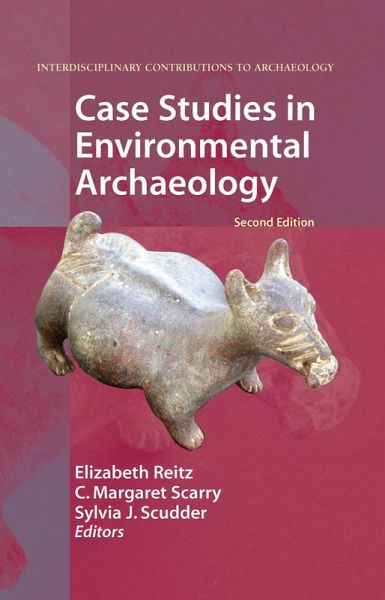
Second Edition features 6 new chapters, and all chapters updated or revised Uses case studies to resolve questions related to human behavior in the past rather than to demonstrate the application of methods Features comprehensive flora and fauna index
Second Edition features 6 new chapters, and all chapters updated or revised
Uses case studies to resolve questions related to human behavior in the past rather than to demonstrate the application of methods
Features comprehensive flora and fauna index
Dieser Download kann aus rechtlichen Gründen nur mit Rechnungsadresse in A, B, BG, CY, CZ, D, DK, EW, E, FIN, F, GR, HR, H, IRL, I, LT, L, LR, M, NL, PL, P, R, S, SLO, SK ausgeliefert werden.
Die Herstellerinformationen sind derzeit nicht verfügbar.
Inhaltsangabe
Preface.- Acknowledgments.- List of Figures.- List of Tables.- 1 Introduction to Environmental Archaeology.- 1.1 Introduction.- 1.2 What is Environmental .- Archaeology?.- Humanity, History, or Science?.- The Scientific Method and Why it .- Matters.- Method or Theory?.- Artifact or Ecofact?.- Summary.- 1.3 History and Theory in Environmental Archaeology.- History.- Theory.- 1.4 Ecological Concepts.- 1.5 The Disciplines of Environmental Archaeology.- 1.6 The Goals of Environmental Archaeology.- Environmental History: Climate, Landscapes, and Biogeography.- Human/environmental Relationships.- The Evolution of Human Social Institutions.- Improvements in Methodology.- 1.7 Goals of this Book.- 2 Factors Affecting the Composition of an Assemblage (New Chapter).- 2.1 Introduction.- 2.2 Taphonomy.- 2.3 Archaeological Transformational Processes.- 2.4 Cultural Transformations.- Types of Sites.- Cultural Transformations.- Summary.- 2.5 Systemic Context Transformations.- Abiotic Transformations.-Soil Chemistry.- Climate.- Mechanical Damage (alluvial, coastal, fluvial, aeolian).- Aerobic Environments.- Biotic Transformations.- Summary.- 2.6 Ethnoarchaeology and Experimental Archaeology.- 2.7 Summary.- 3 Research Designs and Field Methods (New Chapter).- 3.1 Introduction.- The Role of the Environmental Archaeologist in Field Work.- 3.2 Research Designs.- 3.3 The Importance of Context.- What is a site?.- On-site and off-site testing.- Features and Zones.- Column Samples.- Continguous/Block Excavations.- Random, Stratified Units.- 3.4 Recovery Techniques.- In situ Recovery.- Point Samples.- Screening.- Flotation.- 3.5 Field Sampling.- 3.6 Special Finds.- Burials.- Coprolites and Dung Residue.- Hearths.- 3.7 Record-keeping.- 3.8 Anticipating Radiocarbon Dating and Other Studies.- 3.9 The Ethics of Archaeology.- Cultural Patrimony.- Curating Samples.- 3.10 Summary.- 4 Classification and Nomenclature (New Chapter).- 4.1 Introduction.- 4.2 Folk Taxonomy.- 4.3 Linnaean Taxonomy.- 4.4 The Importance of Comparative Collections.- 4.5 Summary.- 5 Sediments and Soils (Update).- 5.1 Introduction.- 5.2 Taxonomy and Morphology of Soils and Sediments.- 5.3 Field Considerations.- 5.4 Laboratory Procedures for Sediments.- 5.5 Laboratory Procedures for Soils.- 5.6 Applications and Case Studies.- Petrofabric Analysis.- Grain Surface Textures.- Micromorphology.- Environments of Deposition.- Sediment Accumulation and Distribution: Rates and Problems.- Barrow Construction and Soil Interpretation.- Soils as Landscape Remnants.- Phosphate and Manganese in Archaeological Soils.- 5.7 Summary.- 6 Seeds, Fruits, Nuts, and Tubers (Update).- 6.1 Introduction.- 6.2 Taxonomy and Morphology.- 6.3 Field Considerations.- 6.4 Laboratory Procedures.- 6.5 Evidence for Domestication.- 6.6 Applications and Case Studies.- Carbonized Material at Ur.- Seeds and Fruit from Burials.- Coprolites as Evidence of Diet.- The Problem of Mummy Wheat.- The Origins of British Brewing.- The Interpretation of Crops.- Impressions.- 6.7 Summary.- 7 Wood and Charcoal (Update).- 7.1 Introduction.- 7.2 Taxonomy and Morphology.- 7.3 Field Considerations.- 7.4 Laboratory Procedures.- 7.5 Dendrochronology and Radiocarbon Dating.- 7.6 Applications and Case Studies.- Charcoal as Paleoenvironmental Evidence.- Charcoal and Plaster Impressions from Myrtos.- Wood Remains from York.- Trackways in the Somerset Levels.- The Organization of Roman Military Timber Supply.- 7.7 Summary.- 8 Pollen (Update).- 8.1 Introduction.- 8.2 Taxonomy and Morphology.- 8.3 Field Considerations.- 8.4 Laboratory Procedures.- 8.5 Pollen in Special Contexts.- Mineral Soils.- Coprolites.- Stomach Contents.- 8.6 Applications and Case Studies.- Fodder.- Landscape Change.- Climate Change.- Caves and Coprolites.- The Elm Decline.- 8.7 Summary.- 9 Phytoliths, Starch Grains, and Spores (Reorganized from other Chapters).- 9.1 Introduction.- 9.2 Taxonomy and Morphology.- 9.3 Fiel
Preface.- Acknowledgments.- List of Figures.- List of Tables.- 1 Introduction to Environmental Archaeology.- 1.1 Introduction.- 1.2 What is Environmental .- Archaeology?.- Humanity, History, or Science?.- The Scientific Method and Why it .- Matters.- Method or Theory?.- Artifact or Ecofact?.- Summary.- 1.3 History and Theory in Environmental Archaeology.- History.- Theory.- 1.4 Ecological Concepts.- 1.5 The Disciplines of Environmental Archaeology.- 1.6 The Goals of Environmental Archaeology.- Environmental History: Climate, Landscapes, and Biogeography.- Human/environmental Relationships.- The Evolution of Human Social Institutions.- Improvements in Methodology.- 1.7 Goals of this Book.- 2 Factors Affecting the Composition of an Assemblage (New Chapter).- 2.1 Introduction.- 2.2 Taphonomy.- 2.3 Archaeological Transformational Processes.- 2.4 Cultural Transformations.- Types of Sites.- Cultural Transformations.- Summary.- 2.5 Systemic Context Transformations.- Abiotic Transformations.-Soil Chemistry.- Climate.- Mechanical Damage (alluvial, coastal, fluvial, aeolian).- Aerobic Environments.- Biotic Transformations.- Summary.- 2.6 Ethnoarchaeology and Experimental Archaeology.- 2.7 Summary.- 3 Research Designs and Field Methods (New Chapter).- 3.1 Introduction.- The Role of the Environmental Archaeologist in Field Work.- 3.2 Research Designs.- 3.3 The Importance of Context.- What is a site?.- On-site and off-site testing.- Features and Zones.- Column Samples.- Continguous/Block Excavations.- Random, Stratified Units.- 3.4 Recovery Techniques.- In situ Recovery.- Point Samples.- Screening.- Flotation.- 3.5 Field Sampling.- 3.6 Special Finds.- Burials.- Coprolites and Dung Residue.- Hearths.- 3.7 Record-keeping.- 3.8 Anticipating Radiocarbon Dating and Other Studies.- 3.9 The Ethics of Archaeology.- Cultural Patrimony.- Curating Samples.- 3.10 Summary.- 4 Classification and Nomenclature (New Chapter).- 4.1 Introduction.- 4.2 Folk Taxonomy.- 4.3 Linnaean Taxonomy.- 4.4 The Importance of Comparative Collections.- 4.5 Summary.- 5 Sediments and Soils (Update).- 5.1 Introduction.- 5.2 Taxonomy and Morphology of Soils and Sediments.- 5.3 Field Considerations.- 5.4 Laboratory Procedures for Sediments.- 5.5 Laboratory Procedures for Soils.- 5.6 Applications and Case Studies.- Petrofabric Analysis.- Grain Surface Textures.- Micromorphology.- Environments of Deposition.- Sediment Accumulation and Distribution: Rates and Problems.- Barrow Construction and Soil Interpretation.- Soils as Landscape Remnants.- Phosphate and Manganese in Archaeological Soils.- 5.7 Summary.- 6 Seeds, Fruits, Nuts, and Tubers (Update).- 6.1 Introduction.- 6.2 Taxonomy and Morphology.- 6.3 Field Considerations.- 6.4 Laboratory Procedures.- 6.5 Evidence for Domestication.- 6.6 Applications and Case Studies.- Carbonized Material at Ur.- Seeds and Fruit from Burials.- Coprolites as Evidence of Diet.- The Problem of Mummy Wheat.- The Origins of British Brewing.- The Interpretation of Crops.- Impressions.- 6.7 Summary.- 7 Wood and Charcoal (Update).- 7.1 Introduction.- 7.2 Taxonomy and Morphology.- 7.3 Field Considerations.- 7.4 Laboratory Procedures.- 7.5 Dendrochronology and Radiocarbon Dating.- 7.6 Applications and Case Studies.- Charcoal as Paleoenvironmental Evidence.- Charcoal and Plaster Impressions from Myrtos.- Wood Remains from York.- Trackways in the Somerset Levels.- The Organization of Roman Military Timber Supply.- 7.7 Summary.- 8 Pollen (Update).- 8.1 Introduction.- 8.2 Taxonomy and Morphology.- 8.3 Field Considerations.- 8.4 Laboratory Procedures.- 8.5 Pollen in Special Contexts.- Mineral Soils.- Coprolites.- Stomach Contents.- 8.6 Applications and Case Studies.- Fodder.- Landscape Change.- Climate Change.- Caves and Coprolites.- The Elm Decline.- 8.7 Summary.- 9 Phytoliths, Starch Grains, and Spores (Reorganized from other Chapters).- 9.1 Introduction.- 9.2 Taxonomy and Morphology.- 9.3 Fiel
Es gelten unsere Allgemeinen Geschäftsbedingungen: www.buecher.de/agb
Impressum
www.buecher.de ist ein Internetauftritt der buecher.de internetstores GmbH
Geschäftsführung: Monica Sawhney | Roland Kölbl | Günter Hilger
Sitz der Gesellschaft: Batheyer Straße 115 - 117, 58099 Hagen
Postanschrift: Bürgermeister-Wegele-Str. 12, 86167 Augsburg
Amtsgericht Hagen HRB 13257
Steuernummer: 321/5800/1497
USt-IdNr: DE450055826