35,95 €
35,95 €
inkl. MwSt.
Sofort per Download lieferbar

18 °P sammeln
35,95 €
Als Download kaufen
35,95 €
inkl. MwSt.
Sofort per Download lieferbar
18 °P sammeln
Jetzt verschenken
Alle Infos zum eBook verschenken
35,95 €
inkl. MwSt.
Sofort per Download lieferbar
Alle Infos zum eBook verschenken
18 °P sammeln

Andere Kunden interessierten sich auch für
") CBT for Beginners (eBook, PDF)35,95 €
CBT for Beginners (eBook, PDF)35,95 €") Motivational Cognitive Behavioural Therapy (eBook, ePUB)18,95 €
Motivational Cognitive Behavioural Therapy (eBook, ePUB)18,95 €") Cognitive Behavioral Therapy for Beginners (eBook, ePUB)35,95 €
Cognitive Behavioral Therapy for Beginners (eBook, ePUB)35,95 €") Cognitive Behavioural Therapy in Mental Health Care (eBook, ePUB)43,95 €
Cognitive Behavioural Therapy in Mental Health Care (eBook, ePUB)43,95 €") Cognitive Behavioural Counselling in Action (eBook, ePUB)36,95 €
Cognitive Behavioural Counselling in Action (eBook, ePUB)36,95 €") A Cross-Cultural Redefinition of Rational Emotive and Cognitive Behavior Therapy (eBook, ePUB)31,95 €
A Cross-Cultural Redefinition of Rational Emotive and Cognitive Behavior Therapy (eBook, ePUB)31,95 €") How to Get the Most Out of CBT (eBook, ePUB)21,95 €
How to Get the Most Out of CBT (eBook, ePUB)21,95 €

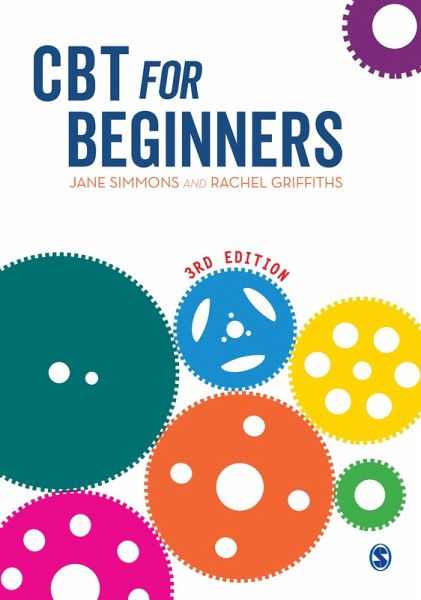
A practical and step-by-step guide to the basics of CBT updated to include new content on the difficulties and drawbacks of CBT; the differences between formal CBT and informal CBT; the therapeutic relationship; further discussion of specific formulations and compassionate interventions with negative thoughts.
Dieser Download kann aus rechtlichen Gründen nur mit Rechnungsadresse in A, D ausgeliefert werden.
Easily accessible by students, and bringing professional therapists up to date with full and detailed practical guidance, Jane Simmons and Rachel Griffiths present both an introduction and the current state of the art application of CBT. In their third edition, the authors have achieved the very difficult aim of making a practitioner guide to the most effective evidence-based approaches a pleasure to read.
Dr David A Holmes 20170425
Dr David A Holmes 20170425