30,95 €
30,95 €
inkl. MwSt.
Sofort per Download lieferbar

15 °P sammeln
30,95 €
Als Download kaufen
30,95 €
inkl. MwSt.
Sofort per Download lieferbar
15 °P sammeln
Jetzt verschenken
Alle Infos zum eBook verschenken
30,95 €
inkl. MwSt.
Sofort per Download lieferbar
Alle Infos zum eBook verschenken
15 °P sammeln

Andere Kunden interessierten sich auch für
") Understanding Presidential Doctrines (eBook, PDF)30,95 €
Understanding Presidential Doctrines (eBook, PDF)30,95 €") Listening to Leaders (eBook, PDF)23,95 €
Listening to Leaders (eBook, PDF)23,95 €") Why Leaders Choose War (eBook, PDF)37,95 €
Why Leaders Choose War (eBook, PDF)37,95 €") Global Women Leaders (eBook, PDF)34,95 €
Global Women Leaders (eBook, PDF)34,95 €") Democracy's Blameless Leaders (eBook, PDF)86,95 €
Democracy's Blameless Leaders (eBook, PDF)86,95 €") The Fall and Rise of Political Leaders (eBook, PDF)40,95 €
The Fall and Rise of Political Leaders (eBook, PDF)40,95 €") Scripting Middle East Leaders (eBook, PDF)32,95 €
Scripting Middle East Leaders (eBook, PDF)32,95 €






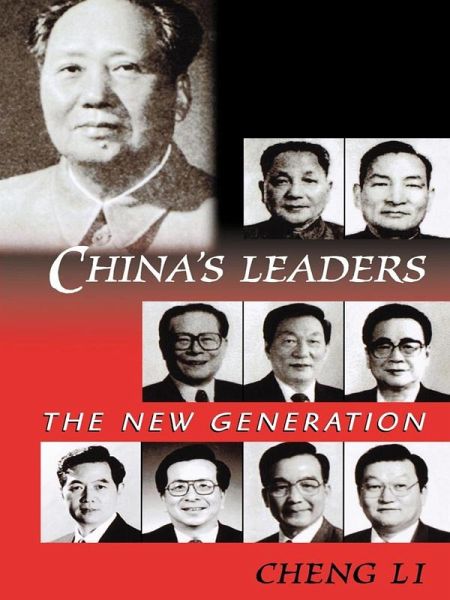
Who will govern China at the dawn of the twenty-first century? What are the social backgrounds and career paths of the new generation of leaders? How do they differ from their predecessors in their responses to perplexing economic and sociopolitical challenges? Drawing upon a wealth of both quantitative and qualitative data on the so-called fourth generation of leaders-those who were young during the Cultural Revolution-Cheng Li sheds valuable light on these key questions. He shows that this group is more diversified than previous generations of CCP leaders in formative experiences, political solidarity, ideological conviction, and occupational background. The author explores the contradictions between political leaders and non-elite peers in the same generation-those approaching middle age who were barred from education during the Mao era and now often are unemployed and disenchanted with the government. The book concludes with the intriguing notion that this generation of leaders may have a better understanding of its peers' needs and concerns and therefore may make the regime more accountable to its people, thus contributing to, rather than opposing, democratic development.