7,99 €
inkl. MwSt.
Sofort per Download lieferbar
4 °P sammeln

Andere Kunden interessierten sich auch für
") Christmas in Many Countries (eBook, ePUB)7,99 €
Christmas in Many Countries (eBook, ePUB)7,99 €") Christmas in Ritual and Tradition (eBook, ePUB)2,99 €
Christmas in Ritual and Tradition (eBook, ePUB)2,99 €") Christmas in Ritual and Tradition (eBook, ePUB)0,49 €
Christmas in Ritual and Tradition (eBook, ePUB)0,49 €") The Victorian Book of Christmas (eBook, ePUB)7,99 €
The Victorian Book of Christmas (eBook, ePUB)7,99 €") Adventures of a Mall Santa (eBook, ePUB)2,99 €
Adventures of a Mall Santa (eBook, ePUB)2,99 €") The Mystery of Grandpa's Christmas Cane (eBook, ePUB)2,99 €
The Mystery of Grandpa's Christmas Cane (eBook, ePUB)2,99 €") Swedish Christmas (eBook, ePUB)5,49 €
Swedish Christmas (eBook, ePUB)5,49 €







A detailed historical study of the origins and development of Christmas practices across Europe.
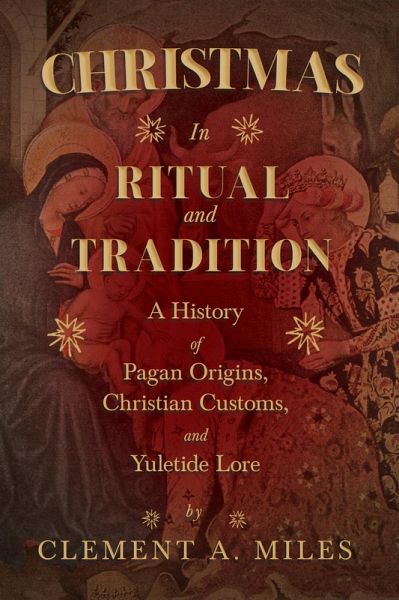
In Christmas in Ritual and Tradition, Clement A. Miles examines how ancient pagan festivals and seasonal observances were gradually absorbed and reinterpreted within the Christian tradition. Drawing on a wide range of historical sources, he explores the evolution of customs such as gift-giving, feasting, and religious ceremonies, as well as the significance of figures like St. Nicholas and the symbolism of evergreen decorations.
First published in the early twentieth century, this work remains a valuable resource for understanding how cultural, religious, and folkloric elements combined to shape the modern celebration of Christmas.
In Christmas in Ritual and Tradition, Clement A. Miles examines how ancient pagan festivals and seasonal observances were gradually absorbed and reinterpreted within the Christian tradition. Drawing on a wide range of historical sources, he explores the evolution of customs such as gift-giving, feasting, and religious ceremonies, as well as the significance of figures like St. Nicholas and the symbolism of evergreen decorations.
First published in the early twentieth century, this work remains a valuable resource for understanding how cultural, religious, and folkloric elements combined to shape the modern celebration of Christmas.
Dieser Download kann aus rechtlichen Gründen nur mit Rechnungsadresse in A, D ausgeliefert werden.