32,95 €
32,95 €
inkl. MwSt.
Sofort per Download lieferbar

16 °P sammeln
32,95 €
Als Download kaufen
32,95 €
inkl. MwSt.
Sofort per Download lieferbar
16 °P sammeln
Jetzt verschenken
Alle Infos zum eBook verschenken
32,95 €
inkl. MwSt.
Sofort per Download lieferbar
Alle Infos zum eBook verschenken
16 °P sammeln

Andere Kunden interessierten sich auch für
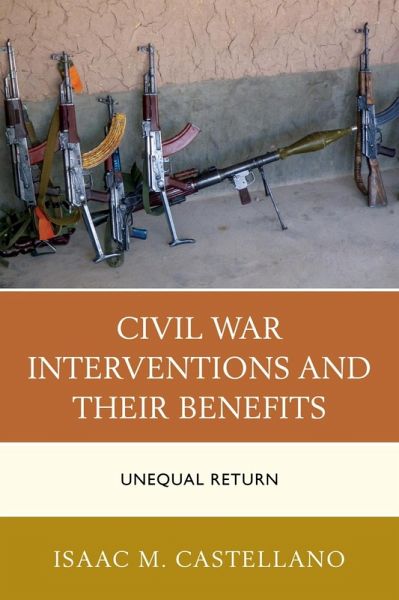
") Civil War Interventions and Their Benefits (eBook, PDF)32,95 €
Civil War Interventions and Their Benefits (eBook, PDF)32,95 €") Colombia's Political Economy at the Outset of the Twenty-First Century (eBook, ePUB)33,95 €
Colombia's Political Economy at the Outset of the Twenty-First Century (eBook, ePUB)33,95 €") From Lenin to Castro, 1917-1959 (eBook, ePUB)35,95 €
From Lenin to Castro, 1917-1959 (eBook, ePUB)35,95 €") Reframing Peace Mediation (eBook, ePUB)42,95 €
Reframing Peace Mediation (eBook, ePUB)42,95 €") Alternative Governance in the Northern Triangle and Implications for U.S. Foreign Policy (eBook, ePUB)38,95 €
Alternative Governance in the Northern Triangle and Implications for U.S. Foreign Policy (eBook, ePUB)38,95 €") Latin America since Independence (eBook, ePUB)25,95 €
Latin America since Independence (eBook, ePUB)25,95 €") Entangled Terrains and Identities in Cuba (eBook, ePUB)68,95 €
Entangled Terrains and Identities in Cuba (eBook, ePUB)68,95 €





The 2013 debate over whether the United States should intervene in the Syrian conflict raised important questions regarding the benefits countries receive when they intervene in civil wars, and how those benefits are distributed to the citizens of the intervening country. To address these lingering questions this book offers readers a comprehensive examination of the intervention process, examining the decision to intervene, what motivates states, and how their intervention shapes the conflict process.
Most, importantly, the book examines how states benefit from their interventions and the distribution of intervenor benefits. Specially two questions are addressed: What are the benefits of intervention for intervening countries? And, how are benefits distributed within the intervenors society? Using evidence compiled from three case studies (El Salvador, The Philippines, and Sri Lanka), this book examines what motivated states to intervene, how they intervened, what they got from their intervention, and how the benefits of the intervention were distributed among the public. Arguing that foreign policy and security decision making is isolated from the general public, this book argues that citizens gain little from indirect interventions into civil wars.
Most, importantly, the book examines how states benefit from their interventions and the distribution of intervenor benefits. Specially two questions are addressed: What are the benefits of intervention for intervening countries? And, how are benefits distributed within the intervenors society? Using evidence compiled from three case studies (El Salvador, The Philippines, and Sri Lanka), this book examines what motivated states to intervene, how they intervened, what they got from their intervention, and how the benefits of the intervention were distributed among the public. Arguing that foreign policy and security decision making is isolated from the general public, this book argues that citizens gain little from indirect interventions into civil wars.