36,95 €
36,95 €
inkl. MwSt.
Sofort per Download lieferbar

18 °P sammeln
36,95 €
Als Download kaufen
36,95 €
inkl. MwSt.
Sofort per Download lieferbar
18 °P sammeln
Jetzt verschenken
Alle Infos zum eBook verschenken
36,95 €
inkl. MwSt.
Sofort per Download lieferbar
Alle Infos zum eBook verschenken
18 °P sammeln

Andere Kunden interessierten sich auch für
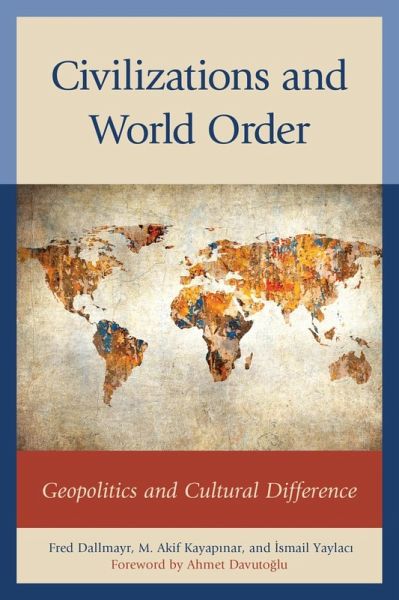
") Civilizations and World Order (eBook, PDF)36,95 €
Civilizations and World Order (eBook, PDF)36,95 €") Summary: Collapse (eBook, ePUB)9,99 €
Summary: Collapse (eBook, ePUB)9,99 €") Civilization (eBook, ePUB)65,95 €
Civilization (eBook, ePUB)65,95 €") Clash or Complement of Cultures? (eBook, ePUB)31,95 €
Clash or Complement of Cultures? (eBook, ePUB)31,95 €") The Clash of Civilizations and the Remaking of World Order (eBook, ePUB)14,83 €
The Clash of Civilizations and the Remaking of World Order (eBook, ePUB)14,83 €") Civilizations and World Order (eBook, ePUB)41,95 €
Civilizations and World Order (eBook, ePUB)41,95 €") Language in Contemporary African Cultures and Societies (eBook, ePUB)72,95 €
Language in Contemporary African Cultures and Societies (eBook, ePUB)72,95 €




Civilizations and World Order: Geopolitics and Cultural Difference examines the role of civilizations in the context of the existing and possible world order(s) from a cross-cultural and inter-disciplinary perspective. Contributions seek to clarify the meaning of such complex and contested notions as "civilization," "order," and "world order"; they do so by taking into account political, economic, cultural, and philosophical dimensions of social life. The book deals with its main theme from three angles or vectors: first, the geopolitical or power-political context of civilizations; secondly, the different roles of civilizations or cultures against the backdrop of "post-coloniality" and "Orientalism"; and thirdly, the importance of ideological and regional differences as factors supporting or obstructing world order(s). All in all, the different contributions demonstrate the impact of competing civilizational trajectories on the functioning or malfunctioning of contemporary world order.