F. Drigani
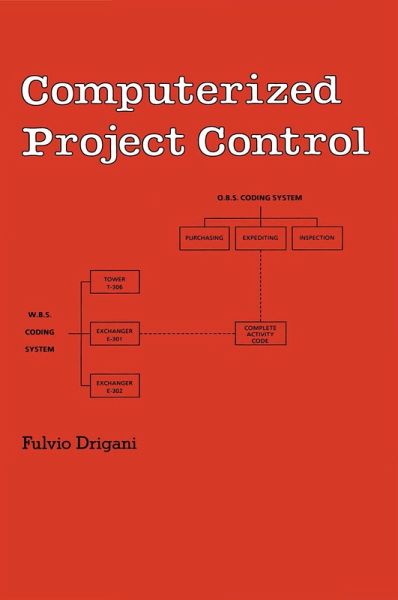
Computerized Project Control (eBook, PDF)
211,95 €
211,95 €
inkl. MwSt.
Sofort per Download lieferbar

106 °P sammeln
211,95 €
Als Download kaufen
211,95 €
inkl. MwSt.
Sofort per Download lieferbar
106 °P sammeln
Jetzt verschenken
Alle Infos zum eBook verschenken
211,95 €
inkl. MwSt.
Sofort per Download lieferbar
Alle Infos zum eBook verschenken
106 °P sammeln

F. Drigani
Computerized Project Control (eBook, PDF)
- Format: PDF
- Merkliste
- Auf die Merkliste
- Bewerten Bewerten
- Teilen
- Produkt teilen
- Produkterinnerung
- Produkterinnerung

Bitte loggen Sie sich zunächst in Ihr Kundenkonto ein oder registrieren Sie sich bei
bücher.de, um das eBook-Abo tolino select nutzen zu können.
Hier können Sie sich einloggen
Sie sind bereits eingeloggt. Klicken Sie auf 2. tolino select Abo, um fortzufahren.

Bitte loggen Sie sich zunächst in Ihr Kundenkonto ein oder registrieren Sie sich bei bücher.de, um das eBook-Abo tolino select nutzen zu können.
Highlights advantages, disadvantages, and future trends of computerization to project control activity. Stresses identification of when computerization is needed and explores how to convert. Covers fundamentals of project control theory, software technology, and labor and cost analysis. Includes glo
- Geräte: PC
- mit Kopierschutz
- eBook Hilfe
Andere Kunden interessierten sich auch für
Barry BenatorProject Management &Leadership Skills for Engineering & Construction Projects (eBook, PDF)61,95 €
Kurt HeinzeCost Management of Capital Projects (eBook, PDF)64,95 €
Advances in Urban Engineering and Management Science Volume 1 (eBook, PDF)52,95 €
M. HajduNetwork Scheduling Techniques for Construction Project Management (eBook, PDF)112,95 €
Mehmet Nihat HaniogluA Cost Based Approach to Project Management (eBook, PDF)54,95 €
D. G. CarmichaelProject Management Framework (eBook, PDF)172,95 €
Alan TwortCivil Engineering Project Management (eBook, PDF)51,95 €-
-
-
Highlights advantages, disadvantages, and future trends of computerization to project control activity. Stresses identification of when computerization is needed and explores how to convert. Covers fundamentals of project control theory, software technology, and labor and cost analysis. Includes glo
Dieser Download kann aus rechtlichen Gründen nur mit Rechnungsadresse in A, B, BG, CY, CZ, D, DK, EW, E, FIN, F, GR, HR, H, IRL, I, LT, L, LR, M, NL, PL, P, R, S, SLO, SK ausgeliefert werden.
Produktdetails
- Produktdetails
- Verlag: Taylor & Francis eBooks
- Seitenzahl: 240
- Erscheinungstermin: 25. November 2020
- Englisch
- ISBN-13: 9781000103694
- Artikelnr.: 60575929
- Verlag: Taylor & Francis eBooks
- Seitenzahl: 240
- Erscheinungstermin: 25. November 2020
- Englisch
- ISBN-13: 9781000103694
- Artikelnr.: 60575929
- Herstellerkennzeichnung Die Herstellerinformationen sind derzeit nicht verfügbar.
Fulvio Drigani is Project Controller of the Solar Terrestrial Space Program at the European Space Research and Technology Center (E.S.T.E.C.) in Noordwijk, The Netherlands. Prior to that he worked at Foster Wheeler Italiana in Milan, Italy, where he was responsible for project control system development and organization. Mr. Drigani has published numerous articles on cost engineering and its computer applications as well as lectured on project management and cost engineering. A member of the Italian Association of Cost Engineers, Mr. Drigani is a graduate of the Institute of Quantitative Methods, Universiti Commerciale Luigi Bocconi, in Milan, Italy, where he studied economics.
Preface
Basic Issues of Project Control Computerization
I. Introduction
II. Considerations of Engineering Organization
A. The Engineering Organization
B. The Organization Breakdown Structure
C. The Work Breakdown Structure
D. The Project Control Coding System
III. Considerations of the Computerization Approach
A. Computer Versus Manual
B. In
house Development or Off
the
shelf
Software?
References
2 The Project Control Computerized System
I. Introduction
A. General Considerations
B . Software Assumptions
II. The Planning and Scheduling Subsystem
A. Critical Path Method
B. Advanced Network Analysis Models
C. Project Schedule Generation
D. Physical Progress Calculation
E. Spent Manhours Accumulation
F. Performance Analysis
G. Backlog Statistical Forecasting
IiI. The Cost
estimating and Control Subsystem
A. Cost Estimating
B. Cost Report Generation
C. Contract Changes
D. Profit and Reserves Forecasting
IV. The Construction Subsystem
V. Project Control: Statistical Database
VI. Integration Within the System
VII. Integration with Other Packages
A. Introduction
B. Accounting
C. Computer
aided Design
D. Procurement
E. The Common Database Approach
VIII. Design Perspectives
Appendix 1. Vendors
Appendix 2. CPM Fields
Appendix 3. Network Plotting
Appendix 4. The Historical Database
References
3 The Software Tools
I. Introduction
II. Identification of the Software Tools
A. CPM and Risk Analysis Software
B. Progress and Productivity Evaluation: Work Load and Forecasting Software
C. Cost Control and Reporting Software
D. Profitability and Cash Flow Software
E. Historical Data Collection and
Statistical Analysis Software
F. Conclusions
III. Software Tools: Detailed Features
A. Database File Definition and Linking
B. Database File Inquiry and Modification
C. The Command Language
D. Report Writing
E. Standa
Basic Issues of Project Control Computerization
I. Introduction
II. Considerations of Engineering Organization
A. The Engineering Organization
B. The Organization Breakdown Structure
C. The Work Breakdown Structure
D. The Project Control Coding System
III. Considerations of the Computerization Approach
A. Computer Versus Manual
B. In
house Development or Off
the
shelf
Software?
References
2 The Project Control Computerized System
I. Introduction
A. General Considerations
B . Software Assumptions
II. The Planning and Scheduling Subsystem
A. Critical Path Method
B. Advanced Network Analysis Models
C. Project Schedule Generation
D. Physical Progress Calculation
E. Spent Manhours Accumulation
F. Performance Analysis
G. Backlog Statistical Forecasting
IiI. The Cost
estimating and Control Subsystem
A. Cost Estimating
B. Cost Report Generation
C. Contract Changes
D. Profit and Reserves Forecasting
IV. The Construction Subsystem
V. Project Control: Statistical Database
VI. Integration Within the System
VII. Integration with Other Packages
A. Introduction
B. Accounting
C. Computer
aided Design
D. Procurement
E. The Common Database Approach
VIII. Design Perspectives
Appendix 1. Vendors
Appendix 2. CPM Fields
Appendix 3. Network Plotting
Appendix 4. The Historical Database
References
3 The Software Tools
I. Introduction
II. Identification of the Software Tools
A. CPM and Risk Analysis Software
B. Progress and Productivity Evaluation: Work Load and Forecasting Software
C. Cost Control and Reporting Software
D. Profitability and Cash Flow Software
E. Historical Data Collection and
Statistical Analysis Software
F. Conclusions
III. Software Tools: Detailed Features
A. Database File Definition and Linking
B. Database File Inquiry and Modification
C. The Command Language
D. Report Writing
E. Standa
Preface
Basic Issues of Project Control Computerization
I. Introduction
II. Considerations of Engineering Organization
A. The Engineering Organization
B. The Organization Breakdown Structure
C. The Work Breakdown Structure
D. The Project Control Coding System
III. Considerations of the Computerization Approach
A. Computer Versus Manual
B. In
house Development or Off
the
shelf
Software?
References
2 The Project Control Computerized System
I. Introduction
A. General Considerations
B . Software Assumptions
II. The Planning and Scheduling Subsystem
A. Critical Path Method
B. Advanced Network Analysis Models
C. Project Schedule Generation
D. Physical Progress Calculation
E. Spent Manhours Accumulation
F. Performance Analysis
G. Backlog Statistical Forecasting
IiI. The Cost
estimating and Control Subsystem
A. Cost Estimating
B. Cost Report Generation
C. Contract Changes
D. Profit and Reserves Forecasting
IV. The Construction Subsystem
V. Project Control: Statistical Database
VI. Integration Within the System
VII. Integration with Other Packages
A. Introduction
B. Accounting
C. Computer
aided Design
D. Procurement
E. The Common Database Approach
VIII. Design Perspectives
Appendix 1. Vendors
Appendix 2. CPM Fields
Appendix 3. Network Plotting
Appendix 4. The Historical Database
References
3 The Software Tools
I. Introduction
II. Identification of the Software Tools
A. CPM and Risk Analysis Software
B. Progress and Productivity Evaluation: Work Load and Forecasting Software
C. Cost Control and Reporting Software
D. Profitability and Cash Flow Software
E. Historical Data Collection and
Statistical Analysis Software
F. Conclusions
III. Software Tools: Detailed Features
A. Database File Definition and Linking
B. Database File Inquiry and Modification
C. The Command Language
D. Report Writing
E. Standa
Basic Issues of Project Control Computerization
I. Introduction
II. Considerations of Engineering Organization
A. The Engineering Organization
B. The Organization Breakdown Structure
C. The Work Breakdown Structure
D. The Project Control Coding System
III. Considerations of the Computerization Approach
A. Computer Versus Manual
B. In
house Development or Off
the
shelf
Software?
References
2 The Project Control Computerized System
I. Introduction
A. General Considerations
B . Software Assumptions
II. The Planning and Scheduling Subsystem
A. Critical Path Method
B. Advanced Network Analysis Models
C. Project Schedule Generation
D. Physical Progress Calculation
E. Spent Manhours Accumulation
F. Performance Analysis
G. Backlog Statistical Forecasting
IiI. The Cost
estimating and Control Subsystem
A. Cost Estimating
B. Cost Report Generation
C. Contract Changes
D. Profit and Reserves Forecasting
IV. The Construction Subsystem
V. Project Control: Statistical Database
VI. Integration Within the System
VII. Integration with Other Packages
A. Introduction
B. Accounting
C. Computer
aided Design
D. Procurement
E. The Common Database Approach
VIII. Design Perspectives
Appendix 1. Vendors
Appendix 2. CPM Fields
Appendix 3. Network Plotting
Appendix 4. The Historical Database
References
3 The Software Tools
I. Introduction
II. Identification of the Software Tools
A. CPM and Risk Analysis Software
B. Progress and Productivity Evaluation: Work Load and Forecasting Software
C. Cost Control and Reporting Software
D. Profitability and Cash Flow Software
E. Historical Data Collection and
Statistical Analysis Software
F. Conclusions
III. Software Tools: Detailed Features
A. Database File Definition and Linking
B. Database File Inquiry and Modification
C. The Command Language
D. Report Writing
E. Standa