1,82 €
inkl. MwSt.
Sofort per Download lieferbar
0 °P sammeln

Andere Kunden interessierten sich auch für
") The Man-Made World (eBook, ePUB)1,82 €
The Man-Made World (eBook, ePUB)1,82 €") Fierce Attachments (eBook, ePUB)9,60 €
Fierce Attachments (eBook, ePUB)9,60 €") The Jules Verne Collection (eBook, ePUB)1,82 €
The Jules Verne Collection (eBook, ePUB)1,82 €") Where The Memory Was (eBook, ePUB)4,99 €
Where The Memory Was (eBook, ePUB)4,99 €") Child's First Picture Book (eBook, ePUB)1,99 €
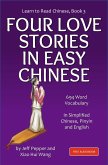
Child's First Picture Book (eBook, ePUB)1,99 €") Learn to Read Chinese, Book 1 - Four Classic Folk Tales in Simplified Chinese, 540 Word Vocabulary, Includes Pinyin and English (eBook, ePUB)6,49 €
Learn to Read Chinese, Book 1 - Four Classic Folk Tales in Simplified Chinese, 540 Word Vocabulary, Includes Pinyin and English (eBook, ePUB)6,49 €") Learn to Read Chinese, Book 3, Four Classic Love Stories in Simplified Chinese (eBook, ePUB)6,49 €
Learn to Read Chinese, Book 3, Four Classic Love Stories in Simplified Chinese (eBook, ePUB)6,49 €



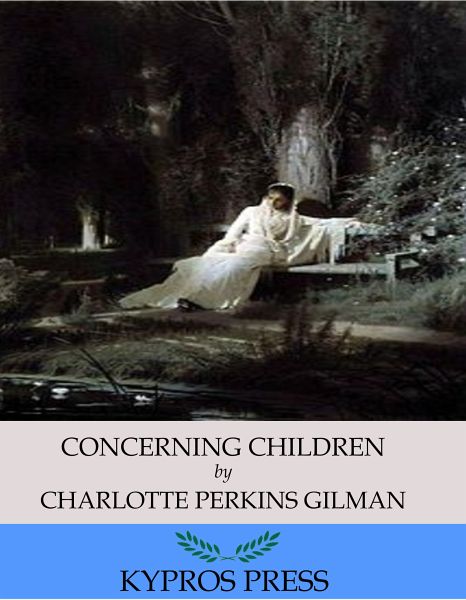
Charlotte Perkins Gilman was an American author and prominent feminist. Gilman influenced future generations of feminists with her writings and lifestyle. This edition of Concerning Children includes a table of contents.
Dieser Download kann aus rechtlichen Gründen nur mit Rechnungsadresse in A, B, BG, CY, CZ, D, DK, EW, E, FIN, F, GR, H, IRL, I, LT, L, LR, M, NL, PL, P, R, S, SLO, SK ausgeliefert werden.