32,95 €
32,95 €
inkl. MwSt.
Sofort per Download lieferbar

16 °P sammeln
32,95 €
Als Download kaufen
32,95 €
inkl. MwSt.
Sofort per Download lieferbar
16 °P sammeln
Jetzt verschenken
Alle Infos zum eBook verschenken
32,95 €
inkl. MwSt.
Sofort per Download lieferbar
Alle Infos zum eBook verschenken
16 °P sammeln

Andere Kunden interessierten sich auch für
") Contesting Constructed Indian-ness (eBook, PDF)32,95 €
Contesting Constructed Indian-ness (eBook, PDF)32,95 €") Where the Waters Divide (eBook, ePUB)36,95 €
Where the Waters Divide (eBook, ePUB)36,95 €") Global Coloniality of Power in Guatemala (eBook, ePUB)88,95 €
Global Coloniality of Power in Guatemala (eBook, ePUB)88,95 €") Native American Transracial Adoptees Tell Their Stories (eBook, ePUB)37,95 €
Native American Transracial Adoptees Tell Their Stories (eBook, ePUB)37,95 €") Life in a Black Community (eBook, ePUB)30,95 €
Life in a Black Community (eBook, ePUB)30,95 €") The Religion of White Supremacy in the United States (eBook, ePUB)29,95 €
The Religion of White Supremacy in the United States (eBook, ePUB)29,95 €") Race and Racism (eBook, ePUB)37,95 €
Race and Racism (eBook, ePUB)37,95 €







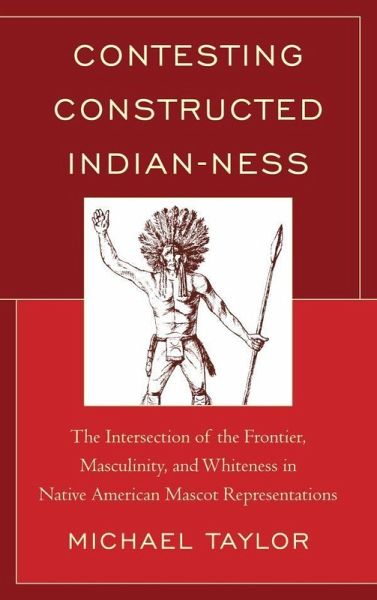
Native American sports team mascots represent a contemporary problem for modern Native American people. The ideas embedded in the mascot representations, however, are as old as the ideas constructed about the Indian since contact between the peoples of Western and the Eastern hemispheres. Such ideas conceived about Native Americans go hand-in-hand with the machinations of colonialism and conquest of these people. This research looks at how such ideas inform the construction of identity of white males from historic experiences with Native Americans. Notions of "playing Indian" and of "going Native" are precipitated from these historic contexts such that in the contemporary sense of considering Native Americans, popular culture ideas dress Native Americans in feathers and buckskin in order to satisfy stereotypic expectations of Indian-ness.