7,99 €
7,99 €
inkl. MwSt.
Sofort per Download lieferbar

4 °P sammeln
7,99 €
Als Download kaufen
7,99 €
inkl. MwSt.
Sofort per Download lieferbar
4 °P sammeln
Jetzt verschenken
Alle Infos zum eBook verschenken
7,99 €
inkl. MwSt.
Sofort per Download lieferbar
Alle Infos zum eBook verschenken
4 °P sammeln

Andere Kunden interessierten sich auch für
 (eBook, ePUB)") A Brief Introduction To Riba (Riba Revisited) (eBook, ePUB)0,00 €
A Brief Introduction To Riba (Riba Revisited) (eBook, ePUB)0,00 €") The Future of Economics (eBook, ePUB)13,95 €
The Future of Economics (eBook, ePUB)13,95 €") The Law of Riba in Islamic Banking (eBook, ePUB)42,95 €
The Law of Riba in Islamic Banking (eBook, ePUB)42,95 € (eBook, ePUB)") Riba In Contracts (Riba Revisited, #4) (eBook, ePUB)0,00 €
Riba In Contracts (Riba Revisited, #4) (eBook, ePUB)0,00 € (eBook, ePUB)") Riba In Jewelry (Riba Revisited, #2) (eBook, ePUB)0,00 €
Riba In Jewelry (Riba Revisited, #2) (eBook, ePUB)0,00 €") Islamic Finance: A Practical Introduction (eBook, ePUB)0,99 €
Islamic Finance: A Practical Introduction (eBook, ePUB)0,99 € (eBook, ePUB)") M. Fethullah Gülenin Vastauksilla: Ajan Kysymykset - Osa 1 (Uskonnosta, Uskosta ja Islamista) (eBook, ePUB)2,99 €
M. Fethullah Gülenin Vastauksilla: Ajan Kysymykset - Osa 1 (Uskonnosta, Uskosta ja Islamista) (eBook, ePUB)2,99 €



A Landmark Collection
in Islamic Economic Scholarship
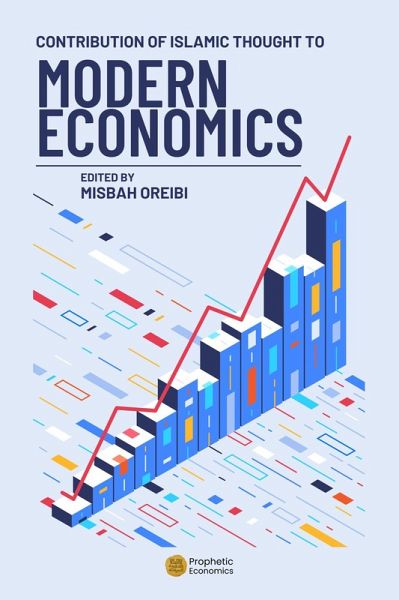
This groundbreaking volume presents the proceedings of the historic 1988 Cairo conference jointly sponsored by Al-Azhar University's Salih Kamil Centre for Islamic Commercial Research and Studies and the International Institute of Islamic Thought. Bringing together leading scholars in Islamic economics, this collection addresses the critical challenge of developing modern economic theory within an Islamic framework.
Essential Contributions to Islamic Economic Theory
The volume features comprehensive analyses of teaching methodologies, development strategies, and monetary policy in Islamic economic systems. Distinguished contributors examine how Islamic principles of equity, justice, and brotherhood can guide economic development while addressing contemporary challenges facing Muslim societies.
Key Topics Include:
· • Curriculum design and pedagogical approaches for Islamic economics education across undergraduate, graduate, and training programs
· • Development strategies grounded in maqa?id al-shariʿah (objectives of Islamic law), emphasizing both equity and efficiency
· • Monetary policy frameworks for profit-and-loss sharing banking systems operating without interest
· • Practical implementation of Islamic financial principles in modern economies
Scholarly Excellence with Practical Application
Editor Misbah Oreibi brings together rigorous academic analysis with actionable insights for policy makers, educators, and financial practitioners. Each paper undergoes thorough peer commentary, enriching the discourse and demonstrating the collaborative nature of advancing Islamic economic thought.
For Students, Scholars, and Practitioners
This volume serves as an essential resource for graduate students in Islamic economics, policy makers in Muslim-majority countries, banking professionals implementing Islamic financial services, and scholars seeking to understand how traditional Islamic jurisprudence addresses contemporary economic challenges. The extensive bibliography provides valuable guidance for further research in Islamic development economics.
Bridging Classical Scholarship and Modern Analysis
The papers demonstrate how classical Islamic jurisprudence (fiqh al-muʿamalat) provides foundational principles for addressing modern economic questions. Contributors utilize contemporary analytical tools while remaining firmly grounded in Islamic values, offering a distinctive approach that challenges both conventional capitalism and socialism.
Published as part of the ongoing effort to establish Islamic economics on firm theoretical and practical foundations, this volume represents a significant milestone in the development of an economic system that prioritizes human wellbeing, social justice, and spiritual fulfillment alongside material prosperity.
This groundbreaking volume presents the proceedings of the historic 1988 Cairo conference jointly sponsored by Al-Azhar University's Salih Kamil Centre for Islamic Commercial Research and Studies and the International Institute of Islamic Thought. Bringing together leading scholars in Islamic economics, this collection addresses the critical challenge of developing modern economic theory within an Islamic framework.
Essential Contributions to Islamic Economic Theory
The volume features comprehensive analyses of teaching methodologies, development strategies, and monetary policy in Islamic economic systems. Distinguished contributors examine how Islamic principles of equity, justice, and brotherhood can guide economic development while addressing contemporary challenges facing Muslim societies.
Key Topics Include:
· • Curriculum design and pedagogical approaches for Islamic economics education across undergraduate, graduate, and training programs
· • Development strategies grounded in maqa?id al-shariʿah (objectives of Islamic law), emphasizing both equity and efficiency
· • Monetary policy frameworks for profit-and-loss sharing banking systems operating without interest
· • Practical implementation of Islamic financial principles in modern economies
Scholarly Excellence with Practical Application
Editor Misbah Oreibi brings together rigorous academic analysis with actionable insights for policy makers, educators, and financial practitioners. Each paper undergoes thorough peer commentary, enriching the discourse and demonstrating the collaborative nature of advancing Islamic economic thought.
For Students, Scholars, and Practitioners
This volume serves as an essential resource for graduate students in Islamic economics, policy makers in Muslim-majority countries, banking professionals implementing Islamic financial services, and scholars seeking to understand how traditional Islamic jurisprudence addresses contemporary economic challenges. The extensive bibliography provides valuable guidance for further research in Islamic development economics.
Bridging Classical Scholarship and Modern Analysis
The papers demonstrate how classical Islamic jurisprudence (fiqh al-muʿamalat) provides foundational principles for addressing modern economic questions. Contributors utilize contemporary analytical tools while remaining firmly grounded in Islamic values, offering a distinctive approach that challenges both conventional capitalism and socialism.
Published as part of the ongoing effort to establish Islamic economics on firm theoretical and practical foundations, this volume represents a significant milestone in the development of an economic system that prioritizes human wellbeing, social justice, and spiritual fulfillment alongside material prosperity.
Dieser Download kann aus rechtlichen Gründen nur mit Rechnungsadresse in A, D ausgeliefert werden.