13,95 €
13,95 €
inkl. MwSt.
Sofort per Download lieferbar

7 °P sammeln
13,95 €
Als Download kaufen
13,95 €
inkl. MwSt.
Sofort per Download lieferbar
7 °P sammeln
Jetzt verschenken
Alle Infos zum eBook verschenken
13,95 €
inkl. MwSt.
Sofort per Download lieferbar
Alle Infos zum eBook verschenken
7 °P sammeln

Andere Kunden interessierten sich auch für
") Hitler's Tank Killer (eBook, ePUB)5,99 €
Hitler's Tank Killer (eBook, ePUB)5,99 €") Panther Medium Tank (eBook, ePUB)7,48 €
Panther Medium Tank (eBook, ePUB)7,48 €") Tank Wrecks of the Eastern Front, 1941-1945 (eBook, ePUB)5,99 €
Tank Wrecks of the Eastern Front, 1941-1945 (eBook, ePUB)5,99 €") Hitler's Revenge Weapons (eBook, ePUB)13,95 €
Hitler's Revenge Weapons (eBook, ePUB)13,95 €") Hitler's Heavy Panzers 1943-1945 (eBook, ePUB)10,95 €
Hitler's Heavy Panzers 1943-1945 (eBook, ePUB)10,95 €") Hitler's Terror Weapons (eBook, ePUB)5,99 €
Hitler's Terror Weapons (eBook, ePUB)5,99 €") How Carriers Fought (eBook, ePUB)18,18 €
How Carriers Fought (eBook, ePUB)18,18 €




A military historian analyzes the ingenious WWII tanks known as Hobart's Funnies, detailing their development and their role in the D-Day campaign.
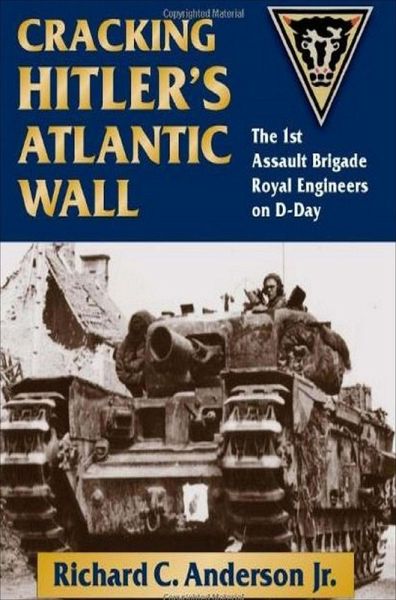
When the British and Canadians landed in Normandy on June 6, 1944, they were accompanied by specialized armored vehicles designed to remove German obstacles and mines. Developed by the Royal Engineers, these tanks known as Hobart's Funnies featured a range of ingenious innovations, from carpet-laying and bridge-laying devices to a giant 290-millimeter mortar.
Examining these vehicles from technical development to combat deployment, military historian Richard C. Anderson Jr. gives a minute-by-minute account of D-Day's early hours on Sword, Juno, and Gold Beaches-the critical moments when success hinged on the assault engineers' ability toclear a path or breach the seawall.
Anderson also describes the events on Omaha and Utah Beaches, where U.S. troops, despite being offered these vehicles, stormed ashore without them. Through careful comparison of conditions and outcomes, Anderson assesses the vehicles' performance and impact on D-Day's successes and failures.
When the British and Canadians landed in Normandy on June 6, 1944, they were accompanied by specialized armored vehicles designed to remove German obstacles and mines. Developed by the Royal Engineers, these tanks known as Hobart's Funnies featured a range of ingenious innovations, from carpet-laying and bridge-laying devices to a giant 290-millimeter mortar.
Examining these vehicles from technical development to combat deployment, military historian Richard C. Anderson Jr. gives a minute-by-minute account of D-Day's early hours on Sword, Juno, and Gold Beaches-the critical moments when success hinged on the assault engineers' ability toclear a path or breach the seawall.
Anderson also describes the events on Omaha and Utah Beaches, where U.S. troops, despite being offered these vehicles, stormed ashore without them. Through careful comparison of conditions and outcomes, Anderson assesses the vehicles' performance and impact on D-Day's successes and failures.