24,95 €
24,95 €
inkl. MwSt.
Sofort per Download lieferbar

12 °P sammeln
24,95 €
Als Download kaufen
24,95 €
inkl. MwSt.
Sofort per Download lieferbar
12 °P sammeln
Jetzt verschenken
Alle Infos zum eBook verschenken
24,95 €
inkl. MwSt.
Sofort per Download lieferbar
Alle Infos zum eBook verschenken
12 °P sammeln

Andere Kunden interessierten sich auch für
") The Future of Literary Theory (eBook, PDF)37,95 €
The Future of Literary Theory (eBook, PDF)37,95 €") The Risk of Reading (eBook, PDF)24,95 €
The Risk of Reading (eBook, PDF)24,95 €") The Work of Literature in an Age of Post-Truth (eBook, PDF)20,95 €
The Work of Literature in an Age of Post-Truth (eBook, PDF)20,95 €") The Phenomenology of Love and Reading (eBook, PDF)30,95 €
The Phenomenology of Love and Reading (eBook, PDF)30,95 €") Ezra Pound in the Present (eBook, PDF)30,95 €
Ezra Pound in the Present (eBook, PDF)30,95 €") The Promise and Premise of Creativity (eBook, PDF)30,95 €
The Promise and Premise of Creativity (eBook, PDF)30,95 €") Art as the Absolute (eBook, PDF)32,95 €
Art as the Absolute (eBook, PDF)32,95 €
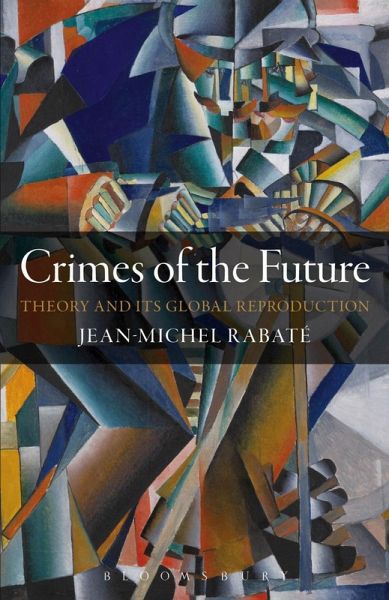
The decade since the publication of Jean-Michel Rabaté's controversial manifesto The Future of Theory saw important changes in the field. The demise of most of the visible French or German philosophers, who had produced texts that would trigger new debates, then to be processed by Theory, has led to drastic revisions and starker assessments. Globalization has been the most obvious factor to modify the selection of texts studied. During the twentieth century, Theory incorporated poetics, rhetorics, aesthetics and linguistics, while also opening itself to continental philosophy. What has changed today? The knowledge that we live in a de-centered world has destabilized the primacy granted to a purely Western canon. Moreover, much of contemporary theory remains highly allusive and this is often baffling for students. Theory keeps recycling itself, producing authentic returns of basic theses, terms and concepts. Canonical modern theorists often return to classical texts, as those of Plato, Kant, Hegel, Nietzsche. And now we want to know: what is new? Crimes of the Future explores the past, present and potential future of Theory.