5,99 €
5,99 €
inkl. MwSt.
Sofort per Download lieferbar

0 °P sammeln
5,99 €
Als Download kaufen
5,99 €
inkl. MwSt.
Sofort per Download lieferbar
0 °P sammeln
Jetzt verschenken
Alle Infos zum eBook verschenken
5,99 €
inkl. MwSt.
Sofort per Download lieferbar
Alle Infos zum eBook verschenken
0 °P sammeln

Andere Kunden interessierten sich auch für
") Crystal Throne (eBook, ePUB)5,49 €
Crystal Throne (eBook, ePUB)5,49 €") Cursed Crown (eBook, ePUB)5,49 €
Cursed Crown (eBook, ePUB)5,49 €") Matriarch Of The Crystal Veil (eBook, ePUB)8,99 €
Matriarch Of The Crystal Veil (eBook, ePUB)8,99 €") Four Novels (eBook, ePUB)9,95 €
Four Novels (eBook, ePUB)9,95 €") Did You See Evelyn Today? (eBook, ePUB)0,99 €
Did You See Evelyn Today? (eBook, ePUB)0,99 €") The Veil (eBook, ePUB)5,99 €
The Veil (eBook, ePUB)5,99 €") The Fated (eBook, ePUB)3,49 €
The Fated (eBook, ePUB)3,49 €

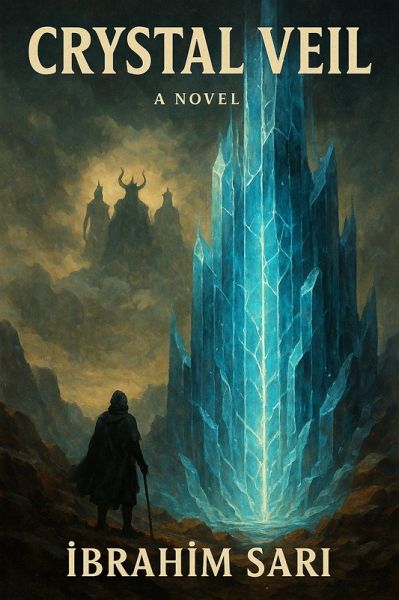
Crystal Veil is a literary civic fantasy set in Irilim, a harbor city that refuses to let wonder become authority. At its heart stands Concordia-a sacred window touching the Crystal Veil, a shimmering boundary between mortals and whatever watches them. The citizens of Irilim have learned a different kind of magic: domestic, procedural, and quietly defiant. Here, brooms come before hymns, soup verifies truth, and the seventh space-a breath, a seat, a box left empty-is kept unspent to starve ambitions that try to wear halos.
Rather than heroic ascents or chosen destinies, the story follows a community determined to keep awe honest. Dangerous relics are retired into work through the city's four sacraments-brine, boil, rope, sand. Ownerless receipts record grace without ownership. Laughter once, precisely, rusts hooks that try to turn citizens into corridors for power. Paperwork, dull by design, becomes the city's shield against devices and doctrines that hum a little too eagerly.
Through markets, spans, ovens, stoops, and workshops, Irilim answers each pressure-harmonized omens, relic merchants, debt-based rest, attempts to turn the Veil into a door-with civic spells: amnesties that dismantle enchantments, licenses that count hinges instead of souls, accords that keep wages honest, charters that turn names into neighborliness.
The Crystal Veil itself remains a threshold that does not open. The book asks not whether someone deserves to cross it, but how a city can stay human beside a source of wonder powerful enough to command obedience. Irilim's genius is refusal with a ladle in its hand: miracles are politely knocked back into maintenance, and every piece of awe is framed by velvet and cumin-scented bureaucracy.
Blending fantasy with political insight and a deeply human sense of craft, Crystal Veil offers a story where safety lies in dullness, heroism in chores, and magic in the art of leaving one chair empty so no corridor can form. It is a novel about windows that refuse to become doors-and a city that insists light is enough.
Rather than heroic ascents or chosen destinies, the story follows a community determined to keep awe honest. Dangerous relics are retired into work through the city's four sacraments-brine, boil, rope, sand. Ownerless receipts record grace without ownership. Laughter once, precisely, rusts hooks that try to turn citizens into corridors for power. Paperwork, dull by design, becomes the city's shield against devices and doctrines that hum a little too eagerly.
Through markets, spans, ovens, stoops, and workshops, Irilim answers each pressure-harmonized omens, relic merchants, debt-based rest, attempts to turn the Veil into a door-with civic spells: amnesties that dismantle enchantments, licenses that count hinges instead of souls, accords that keep wages honest, charters that turn names into neighborliness.
The Crystal Veil itself remains a threshold that does not open. The book asks not whether someone deserves to cross it, but how a city can stay human beside a source of wonder powerful enough to command obedience. Irilim's genius is refusal with a ladle in its hand: miracles are politely knocked back into maintenance, and every piece of awe is framed by velvet and cumin-scented bureaucracy.
Blending fantasy with political insight and a deeply human sense of craft, Crystal Veil offers a story where safety lies in dullness, heroism in chores, and magic in the art of leaving one chair empty so no corridor can form. It is a novel about windows that refuse to become doors-and a city that insists light is enough.
Dieser Download kann aus rechtlichen Gründen nur mit Rechnungsadresse in A, B, CY, CZ, D, DK, EW, E, FIN, F, GR, H, IRL, I, LT, L, LR, M, NL, PL, P, R, S, SLO, SK ausgeliefert werden.