8,60 €
inkl. MwSt.
Sofort per Download lieferbar
0 °P sammeln

Andere Kunden interessierten sich auch für
") Revue de Psychanalyse et Clinique Médicale Revue n° 54 (eBook, ePUB)8,99 €
Revue de Psychanalyse et Clinique Médicale Revue n° 54 (eBook, ePUB)8,99 €") Vivre avec des troubles bipolaires et du comportement (eBook, ePUB)7,99 €
Vivre avec des troubles bipolaires et du comportement (eBook, ePUB)7,99 €") Imagerie mentale et psychothérapie (eBook, ePUB)39,99 €
Imagerie mentale et psychothérapie (eBook, ePUB)39,99 €") Les faux-semblants (eBook, ePUB)7,99 €
Les faux-semblants (eBook, ePUB)7,99 €") Manuel clinique de psychanalyse (eBook, ePUB)22,99 €
Manuel clinique de psychanalyse (eBook, ePUB)22,99 €") La boulimie (eBook, ePUB)19,99 €
La boulimie (eBook, ePUB)19,99 €") L'hypersensibilité chez l'adulte (eBook, ePUB)19,99 €
L'hypersensibilité chez l'adulte (eBook, ePUB)19,99 €







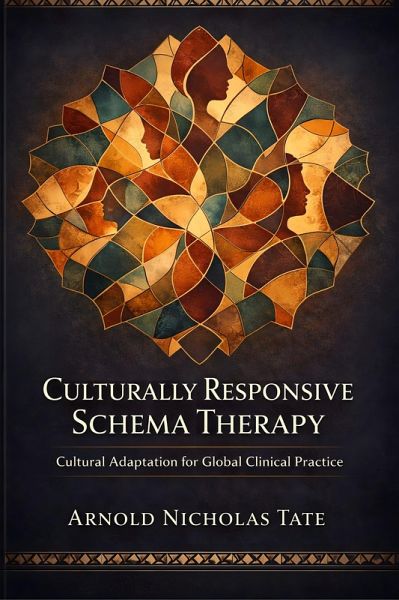
Schema Therapy is widely used for personality disorders, chronic depression, and complex, long-standing difficulties. As it spreads globally, a major clinical question remains: how can Western-developed Schema Therapy be used well with clients from collectivist cultures, immigrant and refugee communities, and ethnic minority backgrounds-without mislabeling cultural values as pathology?
This clinical guide offers a structured approach to culturally responsive Schema Therapy. It blends established cultural adaptation models with twenty teaching case studies to help clinicians adjust assessment, case formulation, and intervention while protecting treatment integrity.
Key frameworks
Bernal's Ecological Validity Model and the 4-Domain Cultural Adaptation Model, applied to Schema Therapy.
Practical adaptation targets across eight areas: language, persons, metaphors, content, concepts, goals, methods, and context.
Clear guidance on surface changes (examples, wording, images) versus deep changes (values, family roles, identity, power, and meaning).
Core cultural dimensions shaping schemas
Individualism-collectivism and interdependence
Power distance and hierarchy in the therapy relationship
Familism and extended-family systems
Emotional expression norms and shame/face concerns
Spirituality and religion as both risk and support factors
Cultural guidance for all 18 schemas
Each schema in Young's five domains is reviewed with cultural cautions for assessment. Examples include:
Disconnection/Rejection schemas influenced by historical trauma, collective mistrust, honor cultures, and acculturation stress.
Impaired Autonomy schemas where "Dependence" may reflect culturally expected interdependence.
Other-Directedness schemas where Self-Sacrifice can overlap with respected caregiving roles (e.g., marianismo; Strong Black Woman patterns) yet still produce harm.
Schema modes across cultures
Cultural rules shape how child modes show emotion and how coping modes appear (e.g., compliance in high-hierarchy contexts).
Special attention is given to parent/critic modes when confronting internalized parental voices conflicts with filial piety.
Culture-linked mode patterns are discussed, including Armor Mode (rigid defensive conformity) and Demanding Community Mode (internalized collective authority).
"Healthy Adult" is reframed as balanced self-care within role obligations and community ties.
Adapting core techniques
Limited reparenting adjusted for norms around affection, directiveness, pacing, and dignity-protecting care.
Imagery rescripting adapted for refugees/displacement and for traditions involving ancestors or spiritual figures.
Chair work alternatives (writing, art, sand tray) and therapist-modeling options when role-play increases shame.
Dignity-preserving empathic confrontation and "reparenting the parents first" strategies.
Population-specific chapters
Guidance is provided for East Asian, South Asian, Southeast Asian, Latino/Hispanic, Black/African American, Middle Eastern/Arab, Indigenous, Orthodox Jewish, LGBTQ+ (across cultures), and immigrant/refugee clients, with attention to racism, Islamophobia, colonial trauma, bicultural identity, and community-based supports.
Twenty clinical case studies
Cases demonstrate culturally responsive formulation and intervention across many backgrounds, including bicultural conflicts, trauma across generations, perfectionism shaped by family duty, and identity intersections.
This clinical guide offers a structured approach to culturally responsive Schema Therapy. It blends established cultural adaptation models with twenty teaching case studies to help clinicians adjust assessment, case formulation, and intervention while protecting treatment integrity.
Key frameworks
Bernal's Ecological Validity Model and the 4-Domain Cultural Adaptation Model, applied to Schema Therapy.
Practical adaptation targets across eight areas: language, persons, metaphors, content, concepts, goals, methods, and context.
Clear guidance on surface changes (examples, wording, images) versus deep changes (values, family roles, identity, power, and meaning).
Core cultural dimensions shaping schemas
Individualism-collectivism and interdependence
Power distance and hierarchy in the therapy relationship
Familism and extended-family systems
Emotional expression norms and shame/face concerns
Spirituality and religion as both risk and support factors
Cultural guidance for all 18 schemas
Each schema in Young's five domains is reviewed with cultural cautions for assessment. Examples include:
Disconnection/Rejection schemas influenced by historical trauma, collective mistrust, honor cultures, and acculturation stress.
Impaired Autonomy schemas where "Dependence" may reflect culturally expected interdependence.
Other-Directedness schemas where Self-Sacrifice can overlap with respected caregiving roles (e.g., marianismo; Strong Black Woman patterns) yet still produce harm.
Schema modes across cultures
Cultural rules shape how child modes show emotion and how coping modes appear (e.g., compliance in high-hierarchy contexts).
Special attention is given to parent/critic modes when confronting internalized parental voices conflicts with filial piety.
Culture-linked mode patterns are discussed, including Armor Mode (rigid defensive conformity) and Demanding Community Mode (internalized collective authority).
"Healthy Adult" is reframed as balanced self-care within role obligations and community ties.
Adapting core techniques
Limited reparenting adjusted for norms around affection, directiveness, pacing, and dignity-protecting care.
Imagery rescripting adapted for refugees/displacement and for traditions involving ancestors or spiritual figures.
Chair work alternatives (writing, art, sand tray) and therapist-modeling options when role-play increases shame.
Dignity-preserving empathic confrontation and "reparenting the parents first" strategies.
Population-specific chapters
Guidance is provided for East Asian, South Asian, Southeast Asian, Latino/Hispanic, Black/African American, Middle Eastern/Arab, Indigenous, Orthodox Jewish, LGBTQ+ (across cultures), and immigrant/refugee clients, with attention to racism, Islamophobia, colonial trauma, bicultural identity, and community-based supports.
Twenty clinical case studies
Cases demonstrate culturally responsive formulation and intervention across many backgrounds, including bicultural conflicts, trauma across generations, perfectionism shaped by family duty, and identity intersections.
Dieser Download kann aus rechtlichen Gründen nur mit Rechnungsadresse in A, B, BG, CY, CZ, D, DK, EW, E, FIN, F, GR, H, IRL, I, LT, L, LR, M, NL, PL, P, R, S, SLO, SK ausgeliefert werden.