87,95 €
87,95 €
inkl. MwSt.
Sofort per Download lieferbar

44 °P sammeln
87,95 €
Als Download kaufen
87,95 €
inkl. MwSt.
Sofort per Download lieferbar
44 °P sammeln
Jetzt verschenken
Alle Infos zum eBook verschenken
87,95 €
inkl. MwSt.
Sofort per Download lieferbar
Alle Infos zum eBook verschenken
44 °P sammeln

Andere Kunden interessierten sich auch für
") Moscow and Havana 1917 to the Present (eBook, ePUB)72,95 €
Moscow and Havana 1917 to the Present (eBook, ePUB)72,95 €") Culture and the Cuban State (eBook, PDF)87,95 €
Culture and the Cuban State (eBook, PDF)87,95 €") Castro (eBook, ePUB)16,80 €
Castro (eBook, ePUB)16,80 €") Cuban Foreign Policy (eBook, ePUB)31,95 €
Cuban Foreign Policy (eBook, ePUB)31,95 €") Youth and the Cuban Revolution (eBook, ePUB)69,95 €
Youth and the Cuban Revolution (eBook, ePUB)69,95 €") Latin America in the Era of the Cuban Revolution and Beyond (eBook, ePUB)27,95 €
Latin America in the Era of the Cuban Revolution and Beyond (eBook, ePUB)27,95 €") Dark Beyond Darkness (eBook, ePUB)29,95 €
Dark Beyond Darkness (eBook, ePUB)29,95 €

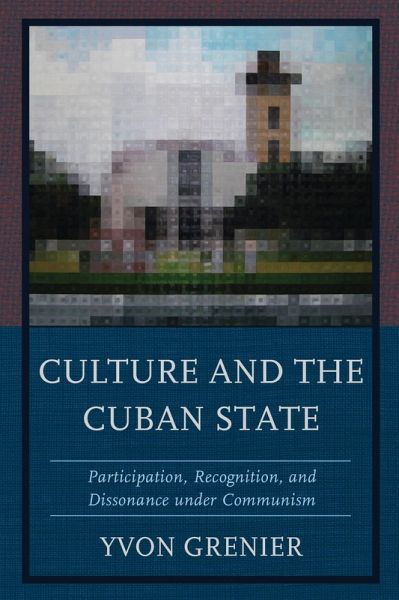
Culture and the Cuban State examines the politics of culture in communist Cuba. It focuses on cultural policy, censorship, and the political participation of artists, writers and academics such as Tania Bruguera, Jesús Díaz, Rafael Hernández, Kcho, Reynier Leyva Novo, Leonardo Padura, and José Toirac. The cultural field is important for the reproduction of the regime in place, given its pretense and ambition to be eternally "revolutionary" and to lead a genuine "cultural revolution". Cultural actors must be mobilized and handled with care, given their presumed disposition to speak their mind and to cherish their autonomy. This book argues that cultural actors also seek recognition by the main (for a long time the only) sponsor and patron of the art in Cuba: the "curator state". The "curator state" is also a "gatekeeper state," arbitrarily and selectively opening and closing the space for public expression and for access to foreign currencies and the global market. The time when everything was either mandatory or forbidden is over in Cuba. The regime seems to have learned from egregious mistakes that led to a massive exodus of artists, writers and academics. In a country where things change so everything could stay the same, the controlled opening in the cultural field, playing on the actors' ambition and fear, illuminates a broader phenomenon: the evolving rules of the political game in the longest standing dictatorship of the hemisphere.