Sollten wir den Preis dieses Artikels vor dem Erscheinungsdatum senken, werden wir dir den Artikel bei der Auslieferung automatisch zum günstigeren Preis berechnen.
Sie sind bereits eingeloggt. Klicken Sie auf 2. tolino select Abo, um fortzufahren.
Bitte loggen Sie sich zunächst in Ihr Kundenkonto ein oder registrieren Sie sich bei bücher.de, um das eBook-Abo tolino select nutzen zu können.
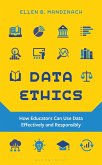
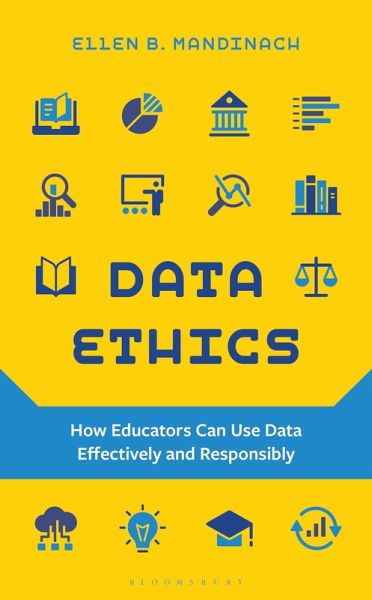
Data Ethics: How Educators Can Use Data Effectively and Responsibly describes the concept of data ethics, which has become an increasingly important topic in education practice, in part due to the proliferation of diverse data sources and the growing complexity of students. It is important for educators to know how to use data both effectively and appropriately. Educators are often faced with accountability pressures that may cause them to make decisions that are sometime problematic. This book describes what data ethics are and how new technologies, especially those based on artificial…mehr
Data Ethics: How Educators Can Use Data Effectively and Responsibly describes the concept of data ethics, which has become an increasingly important topic in education practice, in part due to the proliferation of diverse data sources and the growing complexity of students. It is important for educators to know how to use data both effectively and appropriately. Educators are often faced with accountability pressures that may cause them to make decisions that are sometime problematic. This book describes what data ethics are and how new technologies, especially those based on artificial intelligence can challenge the appropriate use of data. It provides authentic scenarios that university instructors, professional development providers, in-service trainers, and individuals can use to help educators better understand data ethics.
Die Herstellerinformationen sind derzeit nicht verfügbar.
Autorenporträt
Ellen B. Mandinach is a senior research scientist emeritus at WestEd, having retired in 2025. She is a leading expert in the area of data-driven decision making at the classroom, district, and state levels. Her work over the past 20 years has focused on understanding how educators are using data to inform practice. She has served on a number of technical working groups and advisory boards on data use, including the expert committee for the National Board of Professional Teaching Standards on teacher assessment and data literacy and the Forum Guide on Data Literacy. Dr. Mandinach developed the constructs and theoretical frameworks for data literacy for teachers and culturally responsive data literacy. Most recently, her focus has been the ethics of data use.
Inhaltsangabe
Acknowledgments Preface 1 An Introduction: Why Data Ethics? 2 Defining Data Ethics-It is More than Just Data Privacy 3 Artificial Intelligence: Implications for Data Ethics 4 A User's Guide to the Scenarios 5 First Set of Scenarios 6 Second Set of Scenarios 7 Change is Systemic-The Roles of Organizations and Agencies 8 What Needs to Happen-Actionable Next Steps: A Recap References Index
Es gelten unsere Allgemeinen Geschäftsbedingungen: www.buecher.de/agb
Impressum
www.buecher.de ist ein Internetauftritt der buecher.de internetstores GmbH
Geschäftsführung: Monica Sawhney | Roland Kölbl | Günter Hilger
Sitz der Gesellschaft: Batheyer Straße 115 - 117, 58099 Hagen
Postanschrift: Bürgermeister-Wegele-Str. 12, 86167 Augsburg
Amtsgericht Hagen HRB 13257
Steuernummer: 321/5800/1497
USt-IdNr: DE450055826