Sie sind bereits eingeloggt. Klicken Sie auf 2. tolino select Abo, um fortzufahren.
Bitte loggen Sie sich zunächst in Ihr Kundenkonto ein oder registrieren Sie sich bei bücher.de, um das eBook-Abo tolino select nutzen zu können.
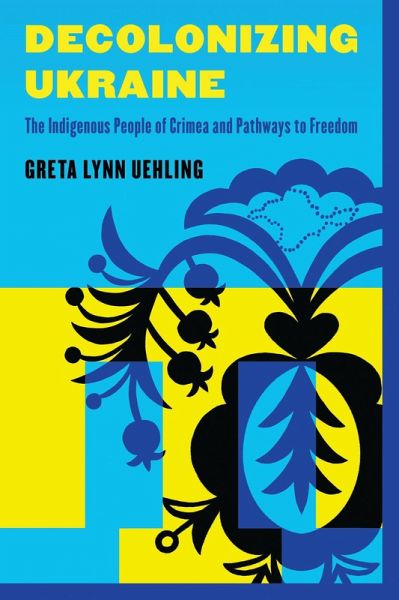
In this ground-breaking book, distinguished anthropologist Greta Lynn Uehling illuminates the untold stories of Russia's occupation of Crimea from 2014 to the present, revealing the traumas of colonization, foreign occupation, and population displacement. Drawing upon extensive fieldwork in Ukraine, including over 90 personal interviews, Uehling brings her readers into the lives of people who opposed Russia's Crimean operation, many of whom fled for government-controlled Ukraine. Via the narratives of people who traversed perilous geographies and world-altering events, Uehling traces the…mehr
In this ground-breaking book, distinguished anthropologist Greta Lynn Uehling illuminates the untold stories of Russia's occupation of Crimea from 2014 to the present, revealing the traumas of colonization, foreign occupation, and population displacement. Drawing upon extensive fieldwork in Ukraine, including over 90 personal interviews, Uehling brings her readers into the lives of people who opposed Russia's Crimean operation, many of whom fled for government-controlled Ukraine. Via the narratives of people who traversed perilous geographies and world-altering events, Uehling traces the development of a new sense of social cohesion that encompasses diverse ethnic and religious groups. The result is a compelling story-one of resilience, transformation, and ultimately, the unwavering pursuit of freedom and autonomy for Ukraine, regardless of ethnicity or race. Ukraine is Crimea: Indigenous People, Race, and the Pathway to Decolonizing Ukraine demonstrates how understanding Crimea is essential to understanding Ukraine - and the war with Russia - today.
Die Herstellerinformationen sind derzeit nicht verfügbar.
Autorenporträt
Greta Lynn Uehling is teaching professor of international and comparative studies at the University of Michigan. She is the author of Beyond Memory: The Deportation and Repatriation of the Crimean Tatars (2004) and Everyday War: The Conflict over Donbas, Ukraine (2023).
Inhaltsangabe
Contents List of Illustrations List of Abbreviations Note on Translation and Transliteration Preface Introduction The Alchemy of Adversity A Settler Colonial Project The Book's Organizational Logic Recognition Cognitive Deoccupation Chapter Overview I. Part One: Historical Grounding 1. Crimea Crimea in a Word The Logic of Russia's Occupation Discrediting, displacing, and dispossessing Crimean Tatars Crimea is Ukraine Rethinking Regional History The Hybrid Operation to Capture Crimea The Unlawful Referendum Passportization Summary 2. Why Indigeneity Matters for Ukraine The Basis of Indigenous Status in International Law Indigenous Rights are Human Rights Indigenous Rights are More Capacious than Minority Rights The Case Against Indigenous Status Indigenous Governance When Elephants Fight: Indigeneity in Russia The Other Elephant: Indigeneity in Ukraine What Crimean Tatars Mean for Ukraine Summary II. Part Two: Unraveling 3. Displaced in Time and Space by the 2014 Occupation of Crimea Displacement in Time and Space A Return to the USSR Dreams and Nightmares "Like an Excursion to an Asylum" "Like in a science fiction film" Inverting Moral Hierarchies Summary 4. Unraveling: Talk of Treason Divides Crimean Society Everyday War Accusations of Treason in Crimea: A Brief History Political and Personal Romantic Partner Relationships Voting in the Referendum Parents and Children Friendship Portraits of Stalin Treason at Scale Summary III. Part Three: Coalescing 5. Making Crimean Tatars More Grievable: Mourning and Recognition through the 2016 Eurovision Contest Meeting Jamala The Politics of Pity and Recognition The Song "1944:" What it Mourns "Where's Your Heart?" An Apolitical Project More Grievable Meant More Livable The Contrast between Grief and Pity: Grief Builds Community Raising Awareness Now We Cannot Be Forgotten The Album "Qirim" Summary 6. Claiming Freedom Oppression during the Soviet Period Claiming Themselves "I decided to change my life" "You can say anything you want" Civic Identity: "Head and Heart" The National Context The Cultivation of Freedom New Narratives Gradations of Freedom Summary IV. Part Four: Reclaiming 7. Barricading Crimea: Reclaiming Power, Territory, and History Arriving at the Barricade The Work of the Barricade The Women's Dormitory Of Courage and Coloniality The Imbalances are Structural Mahatma Gandhi, Che Guevara, and the Political Subjectivity at the Barricade The Dream A Crimean Tatar Epistemology of History Not Everyone Agreed with Non-State Armed Activism After the Full Scale Invasion of Ukraine Summary 8. Behind the Lines: Life in Occupied Crimea The Pragmatic Value of Fear Dulled Sensations Staying in Crimea The Graves of Our Ancestors Debt to Living Elders and the Land Politically Motivated Imprisonments Military Conscription A Principled Escape Summary V. Part Five: Critical Reflections 9. The Limits of Responsibility and Recognition Responsibility without Blame Mutual Recognition Slavic IDPs Recognition and Redistribution Layers of Misrecognition Summary 10. Final Chapter: By Way of Conclusion The Phenomenological Experience of Occupation and Displacement The Logic of Expropriation More than Human: Healing Damaged Ecosystems Summary Appendix A: List of Interviewees Appendix B: Research Methodology
Contents List of Illustrations List of Abbreviations Note on Translation and Transliteration Preface Introduction The Alchemy of Adversity A Settler Colonial Project The Book's Organizational Logic Recognition Cognitive Deoccupation Chapter Overview I. Part One: Historical Grounding 1. Crimea Crimea in a Word The Logic of Russia's Occupation Discrediting, displacing, and dispossessing Crimean Tatars Crimea is Ukraine Rethinking Regional History The Hybrid Operation to Capture Crimea The Unlawful Referendum Passportization Summary 2. Why Indigeneity Matters for Ukraine The Basis of Indigenous Status in International Law Indigenous Rights are Human Rights Indigenous Rights are More Capacious than Minority Rights The Case Against Indigenous Status Indigenous Governance When Elephants Fight: Indigeneity in Russia The Other Elephant: Indigeneity in Ukraine What Crimean Tatars Mean for Ukraine Summary II. Part Two: Unraveling 3. Displaced in Time and Space by the 2014 Occupation of Crimea Displacement in Time and Space A Return to the USSR Dreams and Nightmares "Like an Excursion to an Asylum" "Like in a science fiction film" Inverting Moral Hierarchies Summary 4. Unraveling: Talk of Treason Divides Crimean Society Everyday War Accusations of Treason in Crimea: A Brief History Political and Personal Romantic Partner Relationships Voting in the Referendum Parents and Children Friendship Portraits of Stalin Treason at Scale Summary III. Part Three: Coalescing 5. Making Crimean Tatars More Grievable: Mourning and Recognition through the 2016 Eurovision Contest Meeting Jamala The Politics of Pity and Recognition The Song "1944:" What it Mourns "Where's Your Heart?" An Apolitical Project More Grievable Meant More Livable The Contrast between Grief and Pity: Grief Builds Community Raising Awareness Now We Cannot Be Forgotten The Album "Qirim" Summary 6. Claiming Freedom Oppression during the Soviet Period Claiming Themselves "I decided to change my life" "You can say anything you want" Civic Identity: "Head and Heart" The National Context The Cultivation of Freedom New Narratives Gradations of Freedom Summary IV. Part Four: Reclaiming 7. Barricading Crimea: Reclaiming Power, Territory, and History Arriving at the Barricade The Work of the Barricade The Women's Dormitory Of Courage and Coloniality The Imbalances are Structural Mahatma Gandhi, Che Guevara, and the Political Subjectivity at the Barricade The Dream A Crimean Tatar Epistemology of History Not Everyone Agreed with Non-State Armed Activism After the Full Scale Invasion of Ukraine Summary 8. Behind the Lines: Life in Occupied Crimea The Pragmatic Value of Fear Dulled Sensations Staying in Crimea The Graves of Our Ancestors Debt to Living Elders and the Land Politically Motivated Imprisonments Military Conscription A Principled Escape Summary V. Part Five: Critical Reflections 9. The Limits of Responsibility and Recognition Responsibility without Blame Mutual Recognition Slavic IDPs Recognition and Redistribution Layers of Misrecognition Summary 10. Final Chapter: By Way of Conclusion The Phenomenological Experience of Occupation and Displacement The Logic of Expropriation More than Human: Healing Damaged Ecosystems Summary Appendix A: List of Interviewees Appendix B: Research Methodology
Es gelten unsere Allgemeinen Geschäftsbedingungen: www.buecher.de/agb
Impressum
www.buecher.de ist ein Internetauftritt der buecher.de internetstores GmbH
Geschäftsführung: Monica Sawhney | Roland Kölbl | Günter Hilger
Sitz der Gesellschaft: Batheyer Straße 115 - 117, 58099 Hagen
Postanschrift: Bürgermeister-Wegele-Str. 12, 86167 Augsburg
Amtsgericht Hagen HRB 13257
Steuernummer: 321/5800/1497
USt-IdNr: DE450055826