83,95 €
inkl. MwSt.
Sofort per Download lieferbar
42 °P sammeln

Andere Kunden interessierten sich auch für
") Adorno and Theology (eBook, PDF)26,95 €
Adorno and Theology (eBook, PDF)26,95 €") Sin: A Guide for the Perplexed (eBook, PDF)21,95 €
Sin: A Guide for the Perplexed (eBook, PDF)21,95 €") Doxological Theology (eBook, PDF)31,95 €
Doxological Theology (eBook, PDF)31,95 €") Faithful to Save (eBook, PDF)31,95 €
Faithful to Save (eBook, PDF)31,95 €") God's Being in Reconciliation (eBook, PDF)31,95 €
God's Being in Reconciliation (eBook, PDF)31,95 €") God Incarnate (eBook, PDF)29,95 €
God Incarnate (eBook, PDF)29,95 €") Agamben and Theology (eBook, PDF)22,95 €
Agamben and Theology (eBook, PDF)22,95 €

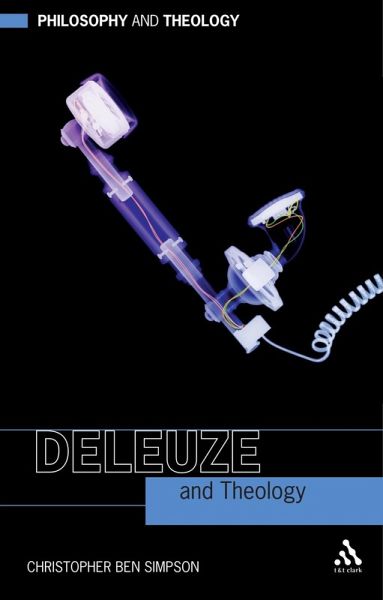
What can a theologian do with Deleuze? While using philosophy as a resource for theology is nothing new, Gilles Deleuze (1925-1995) presents a kind of limit-case for such a theological appropriation of philosophy: a thoroughly "modern" philosophy that would seem to be fundamentally hostile to Christian theology-a philosophy of atheistic immanence with an essentially chaotic vision of the world. Nonetheless, Deleuze's philosophy can generate many potential intersections with theology opening onto a field of configurations: a fractious middle between radical Deleuzian theologies that would think through theology and reinterpret it from the perspective of some version of Deleuzian philosophy and other theologies that would seek to learn from and respond to Deleuze from the perspective of confessional theology-to take from the encounter with Deleuze an opportunity to clarify and reform an orthodox Christian self-understanding.