100,95 €
inkl. MwSt.
Sofort per Download lieferbar
50 °P sammeln

Andere Kunden interessierten sich auch für
") Lessons from An Early Career Therapist (eBook, ePUB)19,95 €
Lessons from An Early Career Therapist (eBook, ePUB)19,95 €") Navigating Life Transitions for Meaning (eBook, ePUB)95,95 €
Navigating Life Transitions for Meaning (eBook, ePUB)95,95 €") Contextual Behavior Therapy for Sexual and Gender Minority Clients (eBook, ePUB)33,95 €
Contextual Behavior Therapy for Sexual and Gender Minority Clients (eBook, ePUB)33,95 €") Therapeutic Interventions for the Person With Dementia (eBook, ePUB)23,95 €
Therapeutic Interventions for the Person With Dementia (eBook, ePUB)23,95 €") Personal Development Groups for Trainee Counsellors (eBook, ePUB)36,95 €
Personal Development Groups for Trainee Counsellors (eBook, ePUB)36,95 €") Positive Mental Health, Fighting Stigma and Promoting Resiliency for Children and Adolescents (eBook, ePUB)26,95 €
Positive Mental Health, Fighting Stigma and Promoting Resiliency for Children and Adolescents (eBook, ePUB)26,95 €") Activity for Mental Health (eBook, ePUB)63,95 €
Activity for Mental Health (eBook, ePUB)63,95 €






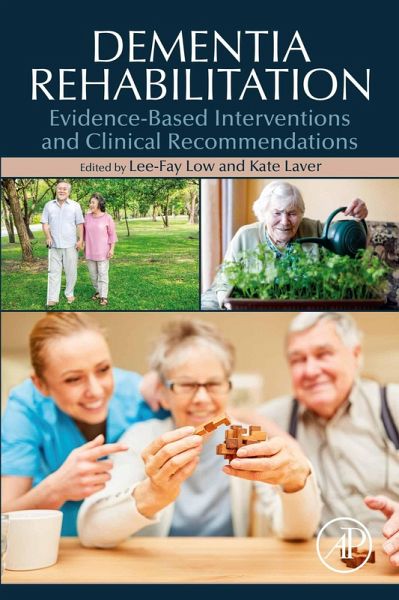
Rehabilitation helps individuals maintain and optimize independence. Historically, people with dementia have received little rehabilitation and the focus has been on care to replace lost function. Dementia Rehabilitation is a resource for health and social professionals, service planners, policy makers, and academics. The book makes a compelling case for rehabilitation for people with dementia, including the views of people with dementia and the research evidence. For each area of function, the research evidence and relevant theory is summarized, followed by practical information on clinical assessment, and delivery of therapies. - Identifies rehabilitation as a human right for people with dementia. - Reviews functions affected by dementia, including cognition, communication, and physical function. - Outlines evidence-based strategies to maintain function and to delay decline. - Describes how to maintain activities of daily living and leisure activities. - Includes techniques to maintain self-identity and mood. - Recognizes the importance of environment and care partners in supporting rehabilitation. - Summarizes models of care for rehabilitation.
Dieser Download kann aus rechtlichen Gründen nur mit Rechnungsadresse in A, B, BG, CY, CZ, D, DK, EW, E, FIN, F, GR, HR, H, IRL, I, LT, L, LR, M, NL, PL, P, R, S, SLO, SK ausgeliefert werden.