0,99 €
0,99 €
inkl. MwSt.
Sofort per Download lieferbar
payback
0 °P sammeln
0,99 €
0,99 €
inkl. MwSt.
Sofort per Download lieferbar

Alle Infos zum eBook verschenken
payback
0 °P sammeln
Als Download kaufen
0,99 €
inkl. MwSt.
Sofort per Download lieferbar
payback
0 °P sammeln
Jetzt verschenken
0,99 €
inkl. MwSt.
Sofort per Download lieferbar

Alle Infos zum eBook verschenken
payback
0 °P sammeln
  • Format: ePub

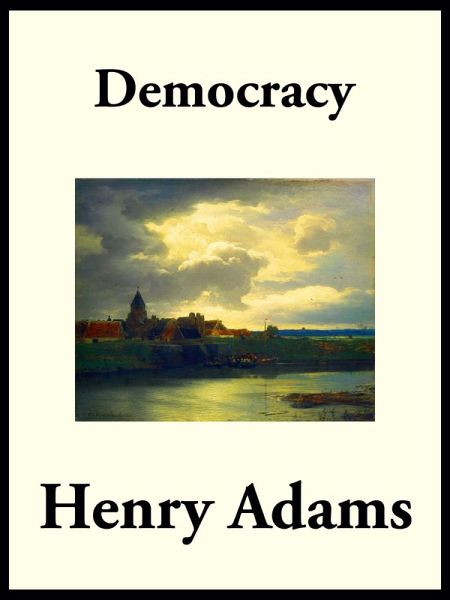
'Democracy' is a novel about political power, its acquisition, use and abuse. It is set at the beginning of a new administration, with the election campaign just over and the new President of the United States just having been elected. However, all the characters depicted are entirely fictitious

  • Geräte: eReader
  • mit Kopierschutz
  • eBook Hilfe
  • Größe: 1.79MB
Produktbeschreibung
'Democracy' is a novel about political power, its acquisition, use and abuse. It is set at the beginning of a new administration, with the election campaign just over and the new President of the United States just having been elected. However, all the characters depicted are entirely fictitious

Dieser Download kann aus rechtlichen Gründen nur mit Rechnungsadresse in A, D ausgeliefert werden.

Autorenporträt
Henry Adams was educated at Harvard College, where he subsequently held a professorship. His historical writings are what made him most famous, especially "History of the United States During the Administrations of Thomas Jefferson and James Madison," a nine-volume set that txters American history in the early 19th century. The intellectual and cultural currents of Henry Adams's day had a profound effect on him. He was connected to members of the late 19th-century cultural elite, such as John Hay and Henry James. Adams was well-known for being sceptical of the course that American politics and culture were taking, and this mistrust is clear in a lot of his writing. "The Education of Henry Adams," an autobiographical reflection on his life and the evolving society around him, brought Adams notoriety later in life. Written in the third person, this piece delves into his experiences, thoughts on the revolutionary events of the late 19th and early 20th century, and his intellectual development.