Sie sind bereits eingeloggt. Klicken Sie auf 2. tolino select Abo, um fortzufahren.
Bitte loggen Sie sich zunächst in Ihr Kundenkonto ein oder registrieren Sie sich bei bücher.de, um das eBook-Abo tolino select nutzen zu können.
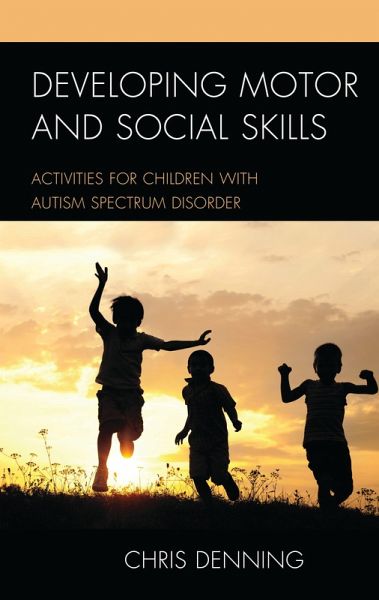
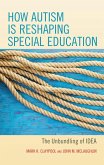
This book focuses on motor and social skills development for young children with autism spectrum disorder and is geared toward special education teachers, general education teachers, and related personnel. This book will outline what we now know about how physical activity impacts children with Autism and how classroom teachers can use physical activity programs in their classrooms.
This book focuses on motor and social skills development for young children with autism spectrum disorder and is geared toward special education teachers, general education teachers, and related personnel. This book will outline what we now know about how physical activity impacts children with Autism and how classroom teachers can use physical activity programs in their classrooms.
Die Herstellerinformationen sind derzeit nicht verfügbar.
Autorenporträt
Christopher Denning, PhD, is Assistant Professor of Special Education, Department of Curriculum and Instruction, College of Education and Human Development, University of Massachusetts, Boston.
Inhaltsangabe
Dedication Table of Figures Table of Tables Preface Acknowledgements Introduction Chapter 1 Key questions What do children with ASD need to succeed in school? Evidence-based strategies and supports Universal design for learning Visual supports Routines and procedures Priming Choice Takeaways References Chapter 2 Key questions Importance of motor development and physical activity Challenge for children with ASD Benefits of increased motor development and physical activity Optimizing the effects of physical activity and exercise Takeaways References Chapter 3 Key questions Links between motor and social development Implications for classroom performance and support Takeaways References Chapter 4 Key questions Key ideas for organization Structure Setting Materials Frequency and duration Child/adult ratio Instructional methodologies Universal design for learning Activity schedules Priming Visual supports Modeling and guided practice Routines and procedures Social narratives Other considerations References Chapter 5 What does it look like? Aerobic exercise or physical activity How can I do it? Aerobic exercise or physical activity? Activities for physical activity/aerobic exercise Motor development and complex motor movements Activities for motor development and complex motor movements Meditation or calming activity Activities for meditation or calming activity Where can I get more information? Takeaways References Chapter 6 Key questions Selection of target skills Supporting skills in the classroom Environmental modifications Positive reinforcement Picture schedules Priming or previewing Modeling and role play Scripts or cue cards Social narratives Peer mediated interventions Takeaways References Chapter 7 Key questions Collaborating with families Support Communication Participation Feedback IEP goals Collaborating with other professionals Physical education Occupational therapists Paraprofessionals Takeaways References
Dedication Table of Figures Table of Tables Preface Acknowledgements Introduction Chapter 1 Key questions What do children with ASD need to succeed in school? Evidence-based strategies and supports Universal design for learning Visual supports Routines and procedures Priming Choice Takeaways References Chapter 2 Key questions Importance of motor development and physical activity Challenge for children with ASD Benefits of increased motor development and physical activity Optimizing the effects of physical activity and exercise Takeaways References Chapter 3 Key questions Links between motor and social development Implications for classroom performance and support Takeaways References Chapter 4 Key questions Key ideas for organization Structure Setting Materials Frequency and duration Child/adult ratio Instructional methodologies Universal design for learning Activity schedules Priming Visual supports Modeling and guided practice Routines and procedures Social narratives Other considerations References Chapter 5 What does it look like? Aerobic exercise or physical activity How can I do it? Aerobic exercise or physical activity? Activities for physical activity/aerobic exercise Motor development and complex motor movements Activities for motor development and complex motor movements Meditation or calming activity Activities for meditation or calming activity Where can I get more information? Takeaways References Chapter 6 Key questions Selection of target skills Supporting skills in the classroom Environmental modifications Positive reinforcement Picture schedules Priming or previewing Modeling and role play Scripts or cue cards Social narratives Peer mediated interventions Takeaways References Chapter 7 Key questions Collaborating with families Support Communication Participation Feedback IEP goals Collaborating with other professionals Physical education Occupational therapists Paraprofessionals Takeaways References
Es gelten unsere Allgemeinen Geschäftsbedingungen: www.buecher.de/agb
Impressum
www.buecher.de ist ein Internetauftritt der buecher.de internetstores GmbH
Geschäftsführung: Monica Sawhney | Roland Kölbl | Günter Hilger
Sitz der Gesellschaft: Batheyer Straße 115 - 117, 58099 Hagen
Postanschrift: Bürgermeister-Wegele-Str. 12, 86167 Augsburg
Amtsgericht Hagen HRB 13257
Steuernummer: 321/5800/1497
USt-IdNr: DE450055826