Alle Infos zum eBook verschenken
- Format: ePub
- Merkliste
- Auf die Merkliste
- Bewerten Bewerten
- Teilen
- Produkt teilen
- Produkterinnerung
- Produkterinnerung

Hier können Sie sich einloggen

Bitte loggen Sie sich zunächst in Ihr Kundenkonto ein oder registrieren Sie sich bei bücher.de, um das eBook-Abo tolino select nutzen zu können.
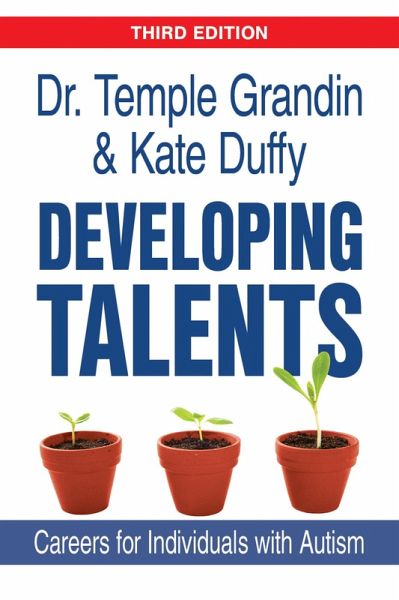
Who knows better about developing the talents of those with autism than Temple Grandin? This updated and expanded third edition of Developing Talents considers the continuing dismal employment statistics for individuals with autism. The authors take an in-depth look at entrepreneurship and many other options.
Using real-life examples, Grandin and Duffy note that many of the unique characteristics of individuals on the autism spectrum lend themselves well to entrepreneurial ventures. The book explores many unnoticed aspects of vocational rehabilitation programs that provide job training…mehr
- Geräte: eReader
- ohne Kopierschutz
- eBook Hilfe
- Größe: 0.59MB
- FamilySharing(5)
Ellen NotbohmTen Things Your Student with Autism Wishes You Knew (eBook, ePUB)8,95 €
Alex LiauA Parent's Guide to Early Intervention (eBook, ePUB)12,95 €
Siobhan TimminsSuccessful Social Stories(TM) for School and College Students with Autism (eBook, ePUB)17,95 €
Clare LawrenceAutism and Flexischooling (eBook, ePUB)19,95 €
Raelene DundonTalking with Your Child about Their Autism Diagnosis (eBook, ePUB)13,95 €
William StillmanThe Autism Answer Book (eBook, ePUB)11,95 €
Dawn RalphBuilding Language Using LEGO® Bricks (eBook, ePUB)17,95 €-
-
-
Using real-life examples, Grandin and Duffy note that many of the unique characteristics of individuals on the autism spectrum lend themselves well to entrepreneurial ventures. The book explores many unnoticed aspects of vocational rehabilitation programs that provide job training and placement for people with disabilities, as well as Social Security Administration programs that offer vocational assistance. Employment figures and prospects have been updated, and new jobs have been added that are well suited for those on the spectrum.
Dieser Download kann aus rechtlichen Gründen nur mit Rechnungsadresse in A, B, BG, CY, CZ, D, DK, EW, E, FIN, F, GR, H, IRL, I, LT, L, LR, M, NL, PL, P, R, S, SLO, SK ausgeliefert werden.
- Produktdetails
- Verlag: Future Horizons
- Seitenzahl: 300
- Erscheinungstermin: 2. April 2024
- Englisch
- ISBN-13: 9781963367034
- Artikelnr.: 70038384
- Verlag: Future Horizons
- Seitenzahl: 300
- Erscheinungstermin: 2. April 2024
- Englisch
- ISBN-13: 9781963367034
- Artikelnr.: 70038384
- Herstellerkennzeichnung Die Herstellerinformationen sind derzeit nicht verfügbar.
Do Not Get Trapped by Labels
Economical Quality Programs for Young Children with ASD
Different Types of Thinking in Autism
Higher Expectations Yield Results
Teaching Turn Taking
What School Is Best for My Child with ASD?
Chapter 2: Teaching & Education
Finding a Child’s Area of Strength
Teaching How to Generalize
The Importance of Developing Talent
Teaching People with Autism/Asperger’s to Be More Flexible
Teaching Concepts to Children with Autism
Bottom-Up Thinking and Learning Rules
Laying the Foundation for Reading Comprehension
Motivating Students
Getting Kids Turned On to Reading
Too Much Video Gaming and Screen Time
Service Dogs and Autism
The Importance of Choices
The Importance of Practical Problem-Solving Skills
Learning to Do Assignments That Other People Appreciate
Learning Never Stops
Chapter 3: Sensory Issues
Sensory Problems Are Variable
Visual Processing Problems in Autism
Auditory Processing and Sound Over Sensitivity in Autism
Incorporating Sensory Methods into Your Autism Program
The Effect of Sensory and Perceptual Difficulties on Learning Patterns
Environmental Enrichment Therapy for Autism
Chapter 4: Understanding Nonverbal Autism
A Social Teenager Trapped Inside
You Asked Me!
Why Do Kids with Autism Stim?
Tito Lives in a World of Sensory Scrambling
Understanding the Mind of a Nonverbal Person with Autism
Solving Behavior Problems in Nonverbal Individuals with Autism
Whole-Task Teaching for Individuals with Severe Autism
Chapter 5: Behavior Issues
Disability versus Just Bad Behaviors
Innovative Methods for Handling Hitting, Biting, and Kicking in Adults with
Severe Autism
Rudeness is Inexcusable
The Need to Be Perfect
Autism & Religion: Teach Goodness
Chapter 6: Social Functioning
Insights into Autistic Social Problems
Learning Social Rules
Emotional Differences Among Individuals with Autism or Asperger’s
Healthy Self-Esteem
Four Cornerstones of Social Awareness
Questions about Connecticut Shooter Adam Lanza, Asperger’s Syndrome, and
SPD
Children with Autism Lack Joint Attention
Chapter 7: Medications & Biomedical Issues
Alternative versus Conventional Medicine
Hidden Medical Problems Can Cause Behavior Problems
Evaluating Treatments
Medication Usage: Risk versus Benefit Decisions
Medical Therapies
My Treatment for Ringing in the Ears
Chapter 8: Cognition & Brain Research
Lose the Social Skills, Gain Savant Skills?
People on the Spectrum Focus on Details
The Extreme Male Theory of Autism
Detect Babies at Risk for Developing Autism with Head Measurements
Thinking in Details
A Look Inside the Visual-Thinking Brain
Brain Cortex Structure Similar in Brilliant Scientists and Autism
The Role of Genetics and Environmental Factors in Causing Autism
Chapter 9: Adult Issues & Employment
Improving Time Management and Organizational Skills
Employment Advice: Tips for Getting and Holding a Job
Teens with ASD Must Learn Both Social and Work Skills to Keep Jobs
Happy People on the Autism Spectrum Have Satisfying Jobs or Hobbies
Inside or Outside? The Autism/Asperger’s Culture
Portfolios Can Open Job and College Opportunities
Going to College: Tips for People with Autism
Finding Mentors and Appropriate Colleges
Reasonable Accommodation for Individuals on the Autism Spectrum
Get Out and Experience Life!
Can My Adolescent Drive a Car?
Innovative Thinking Paves the Way for AS Career Success
The Link Between Autism Genetics and Genius
My Sense of Self-Identity
Do Not Get Trapped by Labels
Economical Quality Programs for Young Children with ASD
Different Types of Thinking in Autism
Higher Expectations Yield Results
Teaching Turn Taking
What School Is Best for My Child with ASD?
Chapter 2: Teaching & Education
Finding a Child’s Area of Strength
Teaching How to Generalize
The Importance of Developing Talent
Teaching People with Autism/Asperger’s to Be More Flexible
Teaching Concepts to Children with Autism
Bottom-Up Thinking and Learning Rules
Laying the Foundation for Reading Comprehension
Motivating Students
Getting Kids Turned On to Reading
Too Much Video Gaming and Screen Time
Service Dogs and Autism
The Importance of Choices
The Importance of Practical Problem-Solving Skills
Learning to Do Assignments That Other People Appreciate
Learning Never Stops
Chapter 3: Sensory Issues
Sensory Problems Are Variable
Visual Processing Problems in Autism
Auditory Processing and Sound Over Sensitivity in Autism
Incorporating Sensory Methods into Your Autism Program
The Effect of Sensory and Perceptual Difficulties on Learning Patterns
Environmental Enrichment Therapy for Autism
Chapter 4: Understanding Nonverbal Autism
A Social Teenager Trapped Inside
You Asked Me!
Why Do Kids with Autism Stim?
Tito Lives in a World of Sensory Scrambling
Understanding the Mind of a Nonverbal Person with Autism
Solving Behavior Problems in Nonverbal Individuals with Autism
Whole-Task Teaching for Individuals with Severe Autism
Chapter 5: Behavior Issues
Disability versus Just Bad Behaviors
Innovative Methods for Handling Hitting, Biting, and Kicking in Adults with
Severe Autism
Rudeness is Inexcusable
The Need to Be Perfect
Autism & Religion: Teach Goodness
Chapter 6: Social Functioning
Insights into Autistic Social Problems
Learning Social Rules
Emotional Differences Among Individuals with Autism or Asperger’s
Healthy Self-Esteem
Four Cornerstones of Social Awareness
Questions about Connecticut Shooter Adam Lanza, Asperger’s Syndrome, and
SPD
Children with Autism Lack Joint Attention
Chapter 7: Medications & Biomedical Issues
Alternative versus Conventional Medicine
Hidden Medical Problems Can Cause Behavior Problems
Evaluating Treatments
Medication Usage: Risk versus Benefit Decisions
Medical Therapies
My Treatment for Ringing in the Ears
Chapter 8: Cognition & Brain Research
Lose the Social Skills, Gain Savant Skills?
People on the Spectrum Focus on Details
The Extreme Male Theory of Autism
Detect Babies at Risk for Developing Autism with Head Measurements
Thinking in Details
A Look Inside the Visual-Thinking Brain
Brain Cortex Structure Similar in Brilliant Scientists and Autism
The Role of Genetics and Environmental Factors in Causing Autism
Chapter 9: Adult Issues & Employment
Improving Time Management and Organizational Skills
Employment Advice: Tips for Getting and Holding a Job
Teens with ASD Must Learn Both Social and Work Skills to Keep Jobs
Happy People on the Autism Spectrum Have Satisfying Jobs or Hobbies
Inside or Outside? The Autism/Asperger’s Culture
Portfolios Can Open Job and College Opportunities
Going to College: Tips for People with Autism
Finding Mentors and Appropriate Colleges
Reasonable Accommodation for Individuals on the Autism Spectrum
Get Out and Experience Life!
Can My Adolescent Drive a Car?
Innovative Thinking Paves the Way for AS Career Success
The Link Between Autism Genetics and Genius
My Sense of Self-Identity