
53,99 €
53,99 €
inkl. MwSt.
Sofort per Download lieferbar

0 °P sammeln
53,99 €
Als Download kaufen
53,99 €
inkl. MwSt.
Sofort per Download lieferbar
0 °P sammeln
Jetzt verschenken
Alle Infos zum eBook verschenken
53,99 €
inkl. MwSt.
Sofort per Download lieferbar
Alle Infos zum eBook verschenken
0 °P sammeln

Andere Kunden interessierten sich auch für
") Cleft Palate Speech (eBook, ePUB)46,99 €
Cleft Palate Speech (eBook, ePUB)46,99 €") Differential Diagnosis and Treatment of Children with Speech Disorder (eBook, PDF)53,99 €
Differential Diagnosis and Treatment of Children with Speech Disorder (eBook, PDF)53,99 €") ABC of Emergency Differential Diagnosis (eBook, ePUB)48,99 €
ABC of Emergency Differential Diagnosis (eBook, ePUB)48,99 €") Developmental Speech-Language Training through Music for Children with Autism Spectrum Disorders (eBook, ePUB)28,95 €
Developmental Speech-Language Training through Music for Children with Autism Spectrum Disorders (eBook, ePUB)28,95 €") Children's Speech Sound Disorders (eBook, ePUB)57,99 €
Children's Speech Sound Disorders (eBook, ePUB)57,99 €") Voice Work (eBook, ePUB)35,99 €
Voice Work (eBook, ePUB)35,99 €") Children's Speech Sound Disorders (eBook, ePUB)67,99 €
Children's Speech Sound Disorders (eBook, ePUB)67,99 €
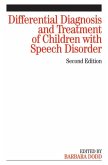

Paediatric speech and language therapists are challenged by diminished resources and increasingly complex caseloads. The new edition addresses their concerns. Norms for speech development are given, differentiating between the emergence of the ability to produce speech sounds (articulation) and typical developmental error patterns (phonology). The incidence of speech disorders is described for one UK service providing crucial information for service management. The efficacy of service provision is evaluated to show that differential diagnosis and treatment is effective for children with disordered speech. Exploration of that data provides implications for prioritising case loads. The relationship between speech and language disorders is examined in the context of clinical decisions about what to target in therapy. New chapters provide detailed intervention programmes for subgroups of speech disorder: delayed development, use of atypical error patterns, inconsistent errors and development verbal dyspraxia. The final section of the book deals with special populations: children with cognitive impairment, hearing and auditory processing difficulties. The needs of clinicians working with bilingual populations are discussed and ways of intervention described. The final chapter examines the relationship between spoken and written disorders of phonology.
Dieser Download kann aus rechtlichen Gründen nur mit Rechnungsadresse in D ausgeliefert werden.