45,95 €
45,95 €
inkl. MwSt.
Erscheint vor. 22.01.26

23 °P sammeln
45,95 €
Als Download kaufen
45,95 €
inkl. MwSt.
Erscheint vor. 22.01.26
23 °P sammeln
Jetzt verschenken
Alle Infos zum eBook verschenken
45,95 €
inkl. MwSt.
Erscheint vor. 22.01.26
Alle Infos zum eBook verschenken
23 °P sammeln

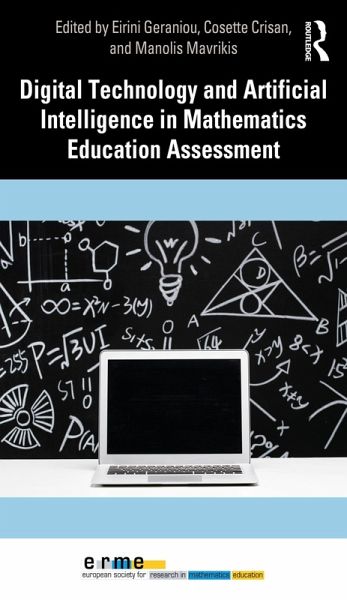
This timely and thought-provoking book explores how artificial intelligence (AI) and digital technologies more generally are reshaping educational assessment in the field of mathematics. It brings together a rich collection of international perspectives that offer a diverse and critical examination of the opportunities and challenges that digital technologies, including artificial intelligence, play in assessment.
The chapters span a broad range of topics including the transition to a digital assessment format, designing multiple-choice items, and the use of AI for automated diagnosis, example generation, and feedback provision. The book includes a framing chapter that critically examines current trends in the field and offers key recommendations for rethinking assessment. It calls for more empirical research and a fundamental rethink of assessment practices in light of digital technologies and AI. The volume as a whole also invites readers to engage in a broader conversation about the future of educational assessment and the role of digital technologies in transforming assessment in mathematics education.
This essential resource for educators, researchers, curriculum developers, policymakers, and assessment stakeholders offers a comprehensive look at the evolving international landscape of assessment in mathematics education in the digital era. It also highlights directions for future research and encourages readers to shaping the future of digital technology and artificial intelligence in formative and summative assessment in mathematics education.
The chapters span a broad range of topics including the transition to a digital assessment format, designing multiple-choice items, and the use of AI for automated diagnosis, example generation, and feedback provision. The book includes a framing chapter that critically examines current trends in the field and offers key recommendations for rethinking assessment. It calls for more empirical research and a fundamental rethink of assessment practices in light of digital technologies and AI. The volume as a whole also invites readers to engage in a broader conversation about the future of educational assessment and the role of digital technologies in transforming assessment in mathematics education.
This essential resource for educators, researchers, curriculum developers, policymakers, and assessment stakeholders offers a comprehensive look at the evolving international landscape of assessment in mathematics education in the digital era. It also highlights directions for future research and encourages readers to shaping the future of digital technology and artificial intelligence in formative and summative assessment in mathematics education.
Dieser Download kann aus rechtlichen Gründen nur mit Rechnungsadresse in A, B, BG, CY, CZ, D, DK, EW, E, FIN, F, GR, HR, H, IRL, I, LT, L, LR, M, NL, PL, P, R, S, SLO, SK ausgeliefert werden.