66,95 €
66,95 €
inkl. MwSt.
Sofort per Download lieferbar

33 °P sammeln
66,95 €
Als Download kaufen
66,95 €
inkl. MwSt.
Sofort per Download lieferbar
33 °P sammeln
Jetzt verschenken
Alle Infos zum eBook verschenken
66,95 €
inkl. MwSt.
Sofort per Download lieferbar
Alle Infos zum eBook verschenken
33 °P sammeln

Andere Kunden interessierten sich auch für
") Disequilibrium, Polarization, and Crisis Model (eBook, PDF)66,95 €
Disequilibrium, Polarization, and Crisis Model (eBook, PDF)66,95 €") Politics and America in Crisis (eBook, ePUB)46,95 €
Politics and America in Crisis (eBook, ePUB)46,95 €") Persuading John Bull (eBook, ePUB)34,95 €
Persuading John Bull (eBook, ePUB)34,95 €") Lincoln (eBook, ePUB)30,95 €
Lincoln (eBook, ePUB)30,95 €") Wilsonian Approaches to American Conflicts (eBook, ePUB)41,95 €
Wilsonian Approaches to American Conflicts (eBook, ePUB)41,95 €") McClellan, Sherman, and Grant (eBook, ePUB)5,99 €
McClellan, Sherman, and Grant (eBook, ePUB)5,99 €") Dred Scott and the Dangers of a Political Court (eBook, ePUB)36,95 €
Dred Scott and the Dangers of a Political Court (eBook, ePUB)36,95 €





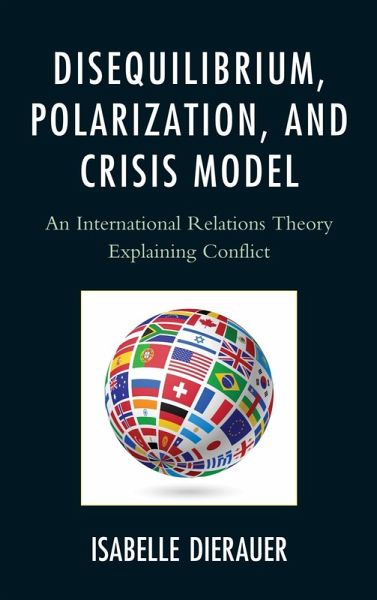
Different international relations theorists have studied political change, but all fall short of sufficiently integrating human reactions, feelings, and responses to change in their theories. This book adds a social psychological component to the analysis of why nations, politically organized groups, or states enter into armed conflict. The Disequilibrium, Polarization, and Crisis Model is introduced, which draws from prospect theory, realism, liberalism, and constructivism. The theory considers how humans react and respond to change in their social, political, and economic environment. Three case studies, the U.S. Civil War, the Yugoslav Wars (1991-1995), and the First World War are applied to illustrate the model's six process stages: status quo, change creating shifts that lead to disequilibrium, realization of loss, hanging on to the old status quo, emergence of a rigid system, and risky decisions leading to violence and war.