61,95 €
61,95 €
inkl. MwSt.
Sofort per Download lieferbar

31 °P sammeln
61,95 €
Als Download kaufen
61,95 €
inkl. MwSt.
Sofort per Download lieferbar
31 °P sammeln
Jetzt verschenken
Alle Infos zum eBook verschenken
61,95 €
inkl. MwSt.
Sofort per Download lieferbar
Alle Infos zum eBook verschenken
31 °P sammeln

Andere Kunden interessierten sich auch für
") Peer-Assisted Learning in Academic Libraries (eBook, ePUB)43,95 €
Peer-Assisted Learning in Academic Libraries (eBook, ePUB)43,95 €") When We Are No More (eBook, ePUB)11,95 €
When We Are No More (eBook, ePUB)11,95 €") The Publishing and Review of Reference Sources (eBook, ePUB)34,95 €
The Publishing and Review of Reference Sources (eBook, ePUB)34,95 €") If We Build It (eBook, ePUB)34,95 €
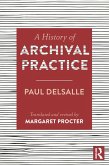
If We Build It (eBook, ePUB)34,95 €") A History of Archival Practice (eBook, ePUB)42,95 €
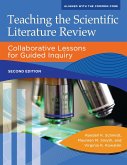
A History of Archival Practice (eBook, ePUB)42,95 €") Teaching the Scientific Literature Review (eBook, ePUB)31,95 €
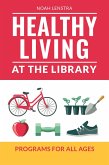
Teaching the Scientific Literature Review (eBook, ePUB)31,95 €") Healthy Living at the Library (eBook, ePUB)31,95 €
Healthy Living at the Library (eBook, ePUB)31,95 €

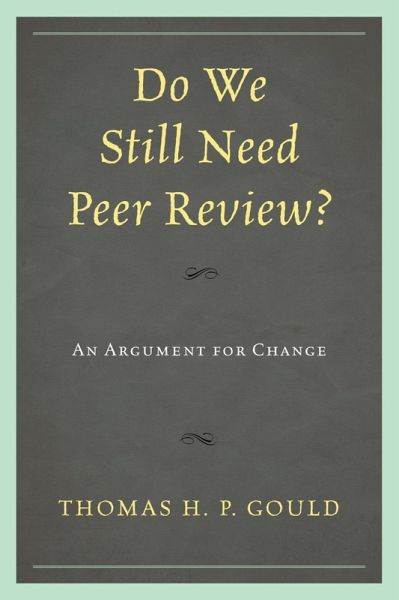
The current peer review process is broken and unless changes are made it will soon die. In Do We Still Need Peer Review?, author Thomas H.P. Gould examines the evolution of peer review from the earliest attempts by the Church to evaluate scholarly works to the creation of academic peer review and finally to the current status of the process. Gould argues that without an immediate effort by scholars to institute reform, the future of peer review may cease to exist. As new technology provides authors with a direct, unsupervised route to publication, the peer review situation is nearing a tipping point, beyond which the nature of academic research will be profoundly altered. This book proposes that rather than tossing out peer review altogether, the process can be saved and made stronger, offering suggestions on how to do just that.