121,99 €
inkl. MwSt.
Sofort per Download lieferbar
0 °P sammeln

Andere Kunden interessierten sich auch für
") Theories in Social Psychology (eBook, PDF)32,99 €
Theories in Social Psychology (eBook, PDF)32,99 €") Identity in Modern Society (eBook, PDF)42,99 €
Identity in Modern Society (eBook, PDF)42,99 €") Blackwell Handbook of Social Psychology (eBook, PDF)179,99 €
Blackwell Handbook of Social Psychology (eBook, PDF)179,99 €") Multiculturalism and Diversity (eBook, PDF)35,99 €
Multiculturalism and Diversity (eBook, PDF)35,99 €") Overcoming Our Racism (eBook, PDF)15,99 €
Overcoming Our Racism (eBook, PDF)15,99 €") Improving Intergroup Relations (eBook, PDF)49,99 €
Improving Intergroup Relations (eBook, PDF)49,99 €") International Counseling (eBook, PDF)52,99 €
International Counseling (eBook, PDF)52,99 €





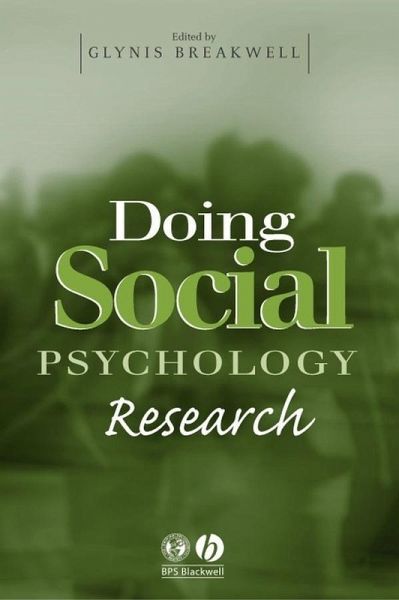
This practical text introduces students to all the principal data collection methods and data analyses used in social psychology. * * A student-friendly introduction to the data collection methods and data analyses used in social psychology. * Describes the principal research methods and shows how they can be applied to particular research questions. * Each chapter is written by a psychologist well known for using the method they describe. * Methods presented include conducting surveys, constructing questionnaires, facilitating focus groups, running interviews, and using archival recordings. * Topics used to illustrate these methods include identity processes, attribution, stereotyping, attitude change, social influence, communication, and group dynamics. * Includes step-by-step exercises for students and notes for course leaders.
Dieser Download kann aus rechtlichen Gründen nur mit Rechnungsadresse in D ausgeliefert werden.
"An indispensible volume for research training in socialpsychology, this book impresses for the wealth of teaching andresearch experience underpinning every chapter, confidently leadingthe student from introductory through to advanced aspects of a widerange of methods. Doing Social Psychology successfullyconveys not only the rationale, key decisions and practicalitieswhich every student should know but also communicates theexcitement and commitment which makes for high quality research."Sonia Livingstone, Professor of Social Psychology,LSE
"With an impressive cast of contributors and a comprehensivetreatment of the research approaches on offer in the discipline,this book should earn the gratitude of social psychology teacherseverywhere. Doing social psychology is about using the tools ofresearch to answer particular questions with evidence; this bookwill help and encourage students to open the tool box." NickEmler, Professor of Social Psychology, University ofSurrey
"This revised and extended volume presents clear and practicalguidance on learning how to use the research methods that are mostwidely used by contemporary British social psychologists. In theprocess, it also provides useful introductions to many of theircurrent cutting-edge research topics." Peter Smith, Professor ofSocial Psychology, University of Sussex
"Readers of the book would argue that the most outstandingfeature of this text is its stand-alone usefulness as a source ofreferences... Used correctly the contents of this book will provehelpful for new social psychology researchers wanting to betterunderstand one of the particular research methods included and gainconfidence through practice in its application." Psychology inSociety, Issue 31, 2005
"With an impressive cast of contributors and a comprehensivetreatment of the research approaches on offer in the discipline,this book should earn the gratitude of social psychology teacherseverywhere. Doing social psychology is about using the tools ofresearch to answer particular questions with evidence; this bookwill help and encourage students to open the tool box." NickEmler, Professor of Social Psychology, University ofSurrey
"This revised and extended volume presents clear and practicalguidance on learning how to use the research methods that are mostwidely used by contemporary British social psychologists. In theprocess, it also provides useful introductions to many of theircurrent cutting-edge research topics." Peter Smith, Professor ofSocial Psychology, University of Sussex
"Readers of the book would argue that the most outstandingfeature of this text is its stand-alone usefulness as a source ofreferences... Used correctly the contents of this book will provehelpful for new social psychology researchers wanting to betterunderstand one of the particular research methods included and gainconfidence through practice in its application." Psychology inSociety, Issue 31, 2005