31,95 €
inkl. MwSt.
Sofort per Download lieferbar
16 °P sammeln

Andere Kunden interessierten sich auch für
") Adorno and Theology (eBook, PDF)26,95 €
Adorno and Theology (eBook, PDF)26,95 €") Sin: A Guide for the Perplexed (eBook, PDF)21,95 €
Sin: A Guide for the Perplexed (eBook, PDF)21,95 €") Faithful to Save (eBook, PDF)31,95 €
Faithful to Save (eBook, PDF)31,95 €") God's Being in Reconciliation (eBook, PDF)31,95 €
God's Being in Reconciliation (eBook, PDF)31,95 €") God Incarnate (eBook, PDF)29,95 €
God Incarnate (eBook, PDF)29,95 €") Agamben and Theology (eBook, PDF)22,95 €
Agamben and Theology (eBook, PDF)22,95 €") Wrath Among the Perfections of God's Life (eBook, PDF)31,95 €
Wrath Among the Perfections of God's Life (eBook, PDF)31,95 €
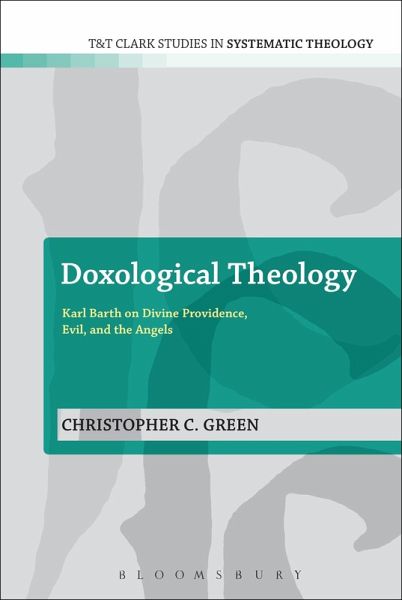
In 1949, Karl Barth confidently upholds a high doctrine of divine providence, main-taining God's control of every event in history. His argument is at once cheerful, but also defiant in the face of a Europe that is war-weary and doubtful of the full sovereignty of God.
Barth's movement to praise God shows his affin-ity for the Reformed theological tradition. While Barth often distances himself from his Calvinist predecessors in important ways, he sees his own view of providence to be a positive reworking of the Reformed position in order to maintain what he un-derstands as its most important insights: the praiseworthiness of the God of provi-dence and the doxology of the creature. Doxological Theology investigates how the theologian, in response to the praiseworthy God of the Reformed tradition, is ex-pected to pray his or her way through the doctrine of providence.
Barth's movement to praise God shows his affin-ity for the Reformed theological tradition. While Barth often distances himself from his Calvinist predecessors in important ways, he sees his own view of providence to be a positive reworking of the Reformed position in order to maintain what he un-derstands as its most important insights: the praiseworthiness of the God of provi-dence and the doxology of the creature. Doxological Theology investigates how the theologian, in response to the praiseworthy God of the Reformed tradition, is ex-pected to pray his or her way through the doctrine of providence.