Sam Jacoby
Drawing Architecture and the Urban (eBook, ePUB)
40,99 €
40,99 €
inkl. MwSt.
Sofort per Download lieferbar
0 °P sammeln
40,99 €
Als Download kaufen
40,99 €
inkl. MwSt.
Sofort per Download lieferbar
0 °P sammeln
Jetzt verschenken
Alle Infos zum eBook verschenken
40,99 €
inkl. MwSt.
Sofort per Download lieferbar
Alle Infos zum eBook verschenken
0 °P sammeln
Sam Jacoby
Drawing Architecture and the Urban (eBook, ePUB)
- Format: ePub
- Merkliste
- Auf die Merkliste
- Bewerten Bewerten
- Teilen
- Produkt teilen
- Produkterinnerung
- Produkterinnerung

Bitte loggen Sie sich zunächst in Ihr Kundenkonto ein oder registrieren Sie sich bei
bücher.de, um das eBook-Abo tolino select nutzen zu können.
Hier können Sie sich einloggen
Sie sind bereits eingeloggt. Klicken Sie auf 2. tolino select Abo, um fortzufahren.

Bitte loggen Sie sich zunächst in Ihr Kundenkonto ein oder registrieren Sie sich bei bücher.de, um das eBook-Abo tolino select nutzen zu können.
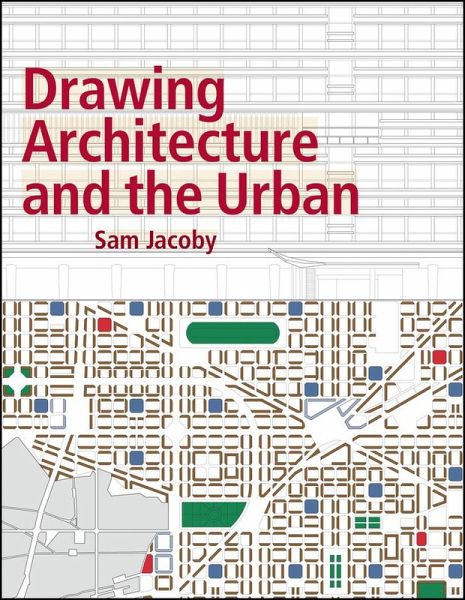
Drawing is an important means to analyse information and develop rigorous arguments both conceptually and visually. Going beyond the how-to drawing manual, this book provides an instrumental approach to drawing, especially computer-generated drawings; it outlines how drawings should be used to convey clear and analytical information in the process of design, as well as the communication and discussion of a project. In depth examples are provided how to communicate effectively. The final section demonstrates how to transform case-studies, directly connecting an analytical approach with the design process.…mehr
- Geräte: eReader
- mit Kopierschutz
- eBook Hilfe
- Größe: 34.86MB
Andere Kunden interessierten sich auch für
Machine Learning and the City (eBook, ePUB)91,99 €
Michael BrightmanThe SketchUp Workflow for Architecture (eBook, ePUB)55,99 €
Francis D. K. ChingDesign Drawing (eBook, ePUB)55,99 €
Peter CookArchitecture Workbook (eBook, ePUB)33,99 €
Francis D. K. ChingBuilding Codes Illustrated (eBook, ePUB)56,99 €
David Kent BallastInterior Detailing (eBook, ePUB)82,99 €
Lydia Sloan ClineSketchUp for Interior Design (eBook, ePUB)42,99 €-
-
-
Drawing is an important means to analyse information and develop rigorous arguments both conceptually and visually. Going beyond the how-to drawing manual, this book provides an instrumental approach to drawing, especially computer-generated drawings; it outlines how drawings should be used to convey clear and analytical information in the process of design, as well as the communication and discussion of a project. In depth examples are provided how to communicate effectively. The final section demonstrates how to transform case-studies, directly connecting an analytical approach with the design process.
Dieser Download kann aus rechtlichen Gründen nur mit Rechnungsadresse in D ausgeliefert werden.
Produktdetails
- Produktdetails
- Verlag: John Wiley & Sons
- Erscheinungstermin: 29. April 2016
- Englisch
- ISBN-13: 9781118879474
- Artikelnr.: 44991077
- Verlag: John Wiley & Sons
- Erscheinungstermin: 29. April 2016
- Englisch
- ISBN-13: 9781118879474
- Artikelnr.: 44991077
- Herstellerkennzeichnung Die Herstellerinformationen sind derzeit nicht verfügbar.
Sam Jacoby (AA Dip, Dr.-Ing, ARB, RIBA) is a chartered architect and educator with eleven years of experience teaching design studios at undergraduate and graduate level. He is Director of the MPhil in Architecture and Urban Design (Projective Cities) programme at the Architectural Association School of Architecture and Teaching Fellow on the MArch Urban Design, Bartlett School of Architecture, University College London (UCL). He has previously taught at the University of Nottingham and worked for various architectural and planning offices in the UK, USA and Malaysia.
INTRODUCTION
Description, Analysis and Transformation: Drawing as Diagram
CHAPTER 1: CONVENTIONS
1 Point, Line, Plane and Volume
2 Plan Conventions
2.1 Orthographic Projections (Elevation)
2.2 Cut-away Views (Plan and Section)
2.3 Paraline Drawings
2.4 Perspective Drawings
3 Graphic Conventions
3.1 Line Weight, Style and Type
3.2 Hatching, Texture, Material and Shading
3.3 Colour
3.4 Drawing Scale and Paper Size
3.5 Annotation and Dimensioning
CHAPTER 2: ARCHITECTURE
1 Description
1.1 Context: Location Plan and Site Section
1.2 Building: Plan, Elevation and Section
1.3 Building: Axonometric and Perspective
2 Analysis
2.1 Context: Figure-Ground Plan
2.2 Context: Orientation
2.3 Building: Massing
2.4 Building: Structural Organisation
2.5 Building: Programme
2.6 Building: Circulation-to-Use
2.7 Building: Part-to-Whole
2.8 Building: Repetitive-to-Unique
2.9 Building: Geometrical Order
2.10 Building: Parti
3 Comparison
3.1 Free Plan vs Raumplan
3.2 Deconstruction of Whole to Parts
3.3 Vertical vs Horizontal
3.4 Sectional Organisation
3.5 Landscape and Landform
3.6 Modularity
4 Comparative Matrices
4.1 Massing
4.2 Conceptual Organisation
4.3 Disposition
4.4 Distribution
4.5 Circulation
4.6 Difference
4.7 Growth
CHAPTER 3: THE URBAN
1 Description
1.1 Urban Plan
1.2 Land Use
1.3 Density
1.4 Circulation (Transport)
1.5 Open Spaces
1.6 Infrastructures
2 Analysis
2.1 Figure-Ground Plan
2.2 Hierarchies and Organisation
2.3 Part-to-Whole and Repetitive-to-Unique
2.4 Built Environment
2.5 Phasing
3 Comparison
3.1 Block
3.2 Enclave
3.3 Ground
3.4 Infrastructure
4 Comparative Matrices
4.1 Size
4.2 Distribution
4.3 Hierarchy and Layering
4.4 Difference
4.5 Growth
4.6 Architectural Types and Urban Morphology
CHAPTER 4: TRANSFORMATION
1 Typological Transformation
1.1 Timeline
1.2 Comparative Matrix
1.3 Comparative Diagrams
1.4 Typological Transformation Diagrams
1.5 Transformative Matrix
2 Design Examples
2.1 Tokyo Podium by Sakiko Goto
2.2 The City Campus by Marcin Ganczarski
2.3 The Chinese Unit by Yuwei Wang
2.4 Cité Housing by Alvaro Arancibia Tagle
Drawing Acknowledgements and References
Description, Analysis and Transformation: Drawing as Diagram
CHAPTER 1: CONVENTIONS
1 Point, Line, Plane and Volume
2 Plan Conventions
2.1 Orthographic Projections (Elevation)
2.2 Cut-away Views (Plan and Section)
2.3 Paraline Drawings
2.4 Perspective Drawings
3 Graphic Conventions
3.1 Line Weight, Style and Type
3.2 Hatching, Texture, Material and Shading
3.3 Colour
3.4 Drawing Scale and Paper Size
3.5 Annotation and Dimensioning
CHAPTER 2: ARCHITECTURE
1 Description
1.1 Context: Location Plan and Site Section
1.2 Building: Plan, Elevation and Section
1.3 Building: Axonometric and Perspective
2 Analysis
2.1 Context: Figure-Ground Plan
2.2 Context: Orientation
2.3 Building: Massing
2.4 Building: Structural Organisation
2.5 Building: Programme
2.6 Building: Circulation-to-Use
2.7 Building: Part-to-Whole
2.8 Building: Repetitive-to-Unique
2.9 Building: Geometrical Order
2.10 Building: Parti
3 Comparison
3.1 Free Plan vs Raumplan
3.2 Deconstruction of Whole to Parts
3.3 Vertical vs Horizontal
3.4 Sectional Organisation
3.5 Landscape and Landform
3.6 Modularity
4 Comparative Matrices
4.1 Massing
4.2 Conceptual Organisation
4.3 Disposition
4.4 Distribution
4.5 Circulation
4.6 Difference
4.7 Growth
CHAPTER 3: THE URBAN
1 Description
1.1 Urban Plan
1.2 Land Use
1.3 Density
1.4 Circulation (Transport)
1.5 Open Spaces
1.6 Infrastructures
2 Analysis
2.1 Figure-Ground Plan
2.2 Hierarchies and Organisation
2.3 Part-to-Whole and Repetitive-to-Unique
2.4 Built Environment
2.5 Phasing
3 Comparison
3.1 Block
3.2 Enclave
3.3 Ground
3.4 Infrastructure
4 Comparative Matrices
4.1 Size
4.2 Distribution
4.3 Hierarchy and Layering
4.4 Difference
4.5 Growth
4.6 Architectural Types and Urban Morphology
CHAPTER 4: TRANSFORMATION
1 Typological Transformation
1.1 Timeline
1.2 Comparative Matrix
1.3 Comparative Diagrams
1.4 Typological Transformation Diagrams
1.5 Transformative Matrix
2 Design Examples
2.1 Tokyo Podium by Sakiko Goto
2.2 The City Campus by Marcin Ganczarski
2.3 The Chinese Unit by Yuwei Wang
2.4 Cité Housing by Alvaro Arancibia Tagle
Drawing Acknowledgements and References

INTRODUCTION
Description, Analysis and Transformation: Drawing as Diagram
CHAPTER 1: CONVENTIONS
1 Point, Line, Plane and Volume
2 Plan Conventions
2.1 Orthographic Projections (Elevation)
2.2 Cut-away Views (Plan and Section)
2.3 Paraline Drawings
2.4 Perspective Drawings
3 Graphic Conventions
3.1 Line Weight, Style and Type
3.2 Hatching, Texture, Material and Shading
3.3 Colour
3.4 Drawing Scale and Paper Size
3.5 Annotation and Dimensioning
CHAPTER 2: ARCHITECTURE
1 Description
1.1 Context: Location Plan and Site Section
1.2 Building: Plan, Elevation and Section
1.3 Building: Axonometric and Perspective
2 Analysis
2.1 Context: Figure-Ground Plan
2.2 Context: Orientation
2.3 Building: Massing
2.4 Building: Structural Organisation
2.5 Building: Programme
2.6 Building: Circulation-to-Use
2.7 Building: Part-to-Whole
2.8 Building: Repetitive-to-Unique
2.9 Building: Geometrical Order
2.10 Building: Parti
3 Comparison
3.1 Free Plan vs Raumplan
3.2 Deconstruction of Whole to Parts
3.3 Vertical vs Horizontal
3.4 Sectional Organisation
3.5 Landscape and Landform
3.6 Modularity
4 Comparative Matrices
4.1 Massing
4.2 Conceptual Organisation
4.3 Disposition
4.4 Distribution
4.5 Circulation
4.6 Difference
4.7 Growth
CHAPTER 3: THE URBAN
1 Description
1.1 Urban Plan
1.2 Land Use
1.3 Density
1.4 Circulation (Transport)
1.5 Open Spaces
1.6 Infrastructures
2 Analysis
2.1 Figure-Ground Plan
2.2 Hierarchies and Organisation
2.3 Part-to-Whole and Repetitive-to-Unique
2.4 Built Environment
2.5 Phasing
3 Comparison
3.1 Block
3.2 Enclave
3.3 Ground
3.4 Infrastructure
4 Comparative Matrices
4.1 Size
4.2 Distribution
4.3 Hierarchy and Layering
4.4 Difference
4.5 Growth
4.6 Architectural Types and Urban Morphology
CHAPTER 4: TRANSFORMATION
1 Typological Transformation
1.1 Timeline
1.2 Comparative Matrix
1.3 Comparative Diagrams
1.4 Typological Transformation Diagrams
1.5 Transformative Matrix
2 Design Examples
2.1 Tokyo Podium by Sakiko Goto
2.2 The City Campus by Marcin Ganczarski
2.3 The Chinese Unit by Yuwei Wang
2.4 Cité Housing by Alvaro Arancibia Tagle
Drawing Acknowledgements and References

Description, Analysis and Transformation: Drawing as Diagram
CHAPTER 1: CONVENTIONS
1 Point, Line, Plane and Volume
2 Plan Conventions
2.1 Orthographic Projections (Elevation)
2.2 Cut-away Views (Plan and Section)
2.3 Paraline Drawings
2.4 Perspective Drawings
3 Graphic Conventions
3.1 Line Weight, Style and Type
3.2 Hatching, Texture, Material and Shading
3.3 Colour
3.4 Drawing Scale and Paper Size
3.5 Annotation and Dimensioning
CHAPTER 2: ARCHITECTURE
1 Description
1.1 Context: Location Plan and Site Section
1.2 Building: Plan, Elevation and Section
1.3 Building: Axonometric and Perspective
2 Analysis
2.1 Context: Figure-Ground Plan
2.2 Context: Orientation
2.3 Building: Massing
2.4 Building: Structural Organisation
2.5 Building: Programme
2.6 Building: Circulation-to-Use
2.7 Building: Part-to-Whole
2.8 Building: Repetitive-to-Unique
2.9 Building: Geometrical Order
2.10 Building: Parti
3 Comparison
3.1 Free Plan vs Raumplan
3.2 Deconstruction of Whole to Parts
3.3 Vertical vs Horizontal
3.4 Sectional Organisation
3.5 Landscape and Landform
3.6 Modularity
4 Comparative Matrices
4.1 Massing
4.2 Conceptual Organisation
4.3 Disposition
4.4 Distribution
4.5 Circulation
4.6 Difference
4.7 Growth
CHAPTER 3: THE URBAN
1 Description
1.1 Urban Plan
1.2 Land Use
1.3 Density
1.4 Circulation (Transport)
1.5 Open Spaces
1.6 Infrastructures
2 Analysis
2.1 Figure-Ground Plan
2.2 Hierarchies and Organisation
2.3 Part-to-Whole and Repetitive-to-Unique
2.4 Built Environment
2.5 Phasing
3 Comparison
3.1 Block
3.2 Enclave
3.3 Ground
3.4 Infrastructure
4 Comparative Matrices
4.1 Size
4.2 Distribution
4.3 Hierarchy and Layering
4.4 Difference
4.5 Growth
4.6 Architectural Types and Urban Morphology
CHAPTER 4: TRANSFORMATION
1 Typological Transformation
1.1 Timeline
1.2 Comparative Matrix
1.3 Comparative Diagrams
1.4 Typological Transformation Diagrams
1.5 Transformative Matrix
2 Design Examples
2.1 Tokyo Podium by Sakiko Goto
2.2 The City Campus by Marcin Ganczarski
2.3 The Chinese Unit by Yuwei Wang
2.4 Cité Housing by Alvaro Arancibia Tagle
Drawing Acknowledgements and References