74,95 €
74,95 €
inkl. MwSt.
Sofort per Download lieferbar

37 °P sammeln
74,95 €
Als Download kaufen
74,95 €
inkl. MwSt.
Sofort per Download lieferbar
37 °P sammeln
Jetzt verschenken
Alle Infos zum eBook verschenken
74,95 €
inkl. MwSt.
Sofort per Download lieferbar
Alle Infos zum eBook verschenken
37 °P sammeln

Andere Kunden interessierten sich auch für
") Earthly Engagements (eBook, PDF)74,95 €
Earthly Engagements (eBook, PDF)74,95 €") Ecology and Existence (eBook, ePUB)37,95 €
Ecology and Existence (eBook, ePUB)37,95 €") Sustainability in the Anthropocene (eBook, ePUB)28,95 €
Sustainability in the Anthropocene (eBook, ePUB)28,95 €") Heidegger in the Face of the Environmental Question (eBook, ePUB)42,95 €
Heidegger in the Face of the Environmental Question (eBook, ePUB)42,95 €") Heidegger's Concept of Philosophical Method (eBook, ePUB)42,95 €
Heidegger's Concept of Philosophical Method (eBook, ePUB)42,95 €") Philosophers' Walks (eBook, ePUB)38,95 €
Philosophers' Walks (eBook, ePUB)38,95 €") Heidegger on Technology (eBook, ePUB)44,95 €
Heidegger on Technology (eBook, ePUB)44,95 €



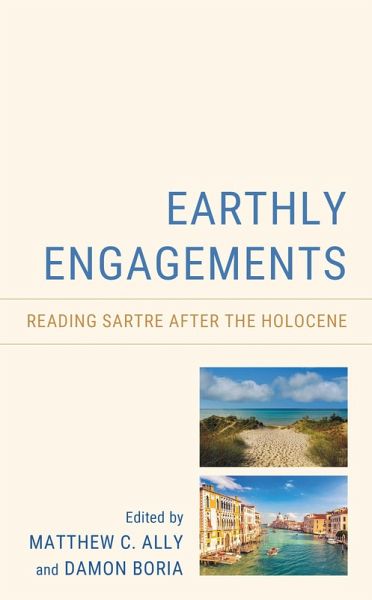
Earthly Engagements: Reading Sartre after the Holocene brings together scholars from the Sartre studies community to think through the planetary ecological crisis. Edited by Matthew C. Ally and Damon Boria, the collection explores ways in which Sartre's existential thought can be read socio-ecologically, illuminating the tightly imbricated earthly and worldly crises of our post-Holocene epoch. Contributors variously discuss phenomenology, ethics, politics, ontology, and metaphysics. Earthly locations include the Icelandic coast, the Minnesota woods, the Indiana Dunes, the Chinese Great Plain, the Venetian Lagoon, and more; worldly situations include that of the artist, the activist, the consumer, the tourist, and more. Through their diversity of methods and substantive concerns, the chapters reveal a wealth of critical and heuristic resources within Sartre's thought for thinking through and engaging the planetary ecological crisis and its direct ties to global social, economic, and political crises. In full recognition of Sartre's personal distaste for agrarian settings and wilderness, and some ostensibly anti-environmental philosophical and literary moments, the contributors take the proper Sartrean line that how we view nature and our relationship to nature is neither closed nor predetermined. Like life itself, our worldly relationship to earthly nature is rooted in the sufficiency and open-endedness of freedom.