
49,95 €
49,95 €
inkl. MwSt.
Sofort per Download lieferbar

25 °P sammeln
49,95 €
Als Download kaufen
49,95 €
inkl. MwSt.
Sofort per Download lieferbar
25 °P sammeln
Jetzt verschenken
Alle Infos zum eBook verschenken
49,95 €
inkl. MwSt.
Sofort per Download lieferbar
Alle Infos zum eBook verschenken
25 °P sammeln

Andere Kunden interessierten sich auch für
") Economic Crisis (eBook, ePUB)49,95 €
Economic Crisis (eBook, ePUB)49,95 €") Enlightened Aid (eBook, PDF)12,95 €
Enlightened Aid (eBook, PDF)12,95 €") Recessions and Depressions (eBook, PDF)34,95 €
Recessions and Depressions (eBook, PDF)34,95 €") Children and Consumer Culture in American Society (eBook, PDF)40,95 €
Children and Consumer Culture in American Society (eBook, PDF)40,95 €") Development and Stabilization in Small Open Economies (eBook, PDF)39,95 €
Development and Stabilization in Small Open Economies (eBook, PDF)39,95 €") Demographic Perspective of China's Economic Development (eBook, PDF)47,95 €
Demographic Perspective of China's Economic Development (eBook, PDF)47,95 €") Peddling Protectionism (eBook, PDF)35,95 €
Peddling Protectionism (eBook, PDF)35,95 €


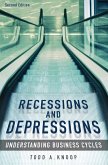




This book examines the U.S economy from 1967 to 2011 and utilizes a new method to predict the future of the economy as far ahead as 2030. This new method uses population subgroup data. Variables used in the cross-sectional matrix include ethnicity, sex, age, and average personal income of those having personal income. The mathematical basis, the data used, and the results are all presented in graphic form. The estimates are compared to National Bureau of Economic Research Dating Committee data. Projections using estimates from the U.S. Bureau of Census are used to further project personal income, personal income annual change, and disposable personal income to 2030. The book concludes that the New Energy Movement and their development of non-polluting energy and electricity production methods that do not consume uranium, radioactive material, or fossil fuels. Therefore, large amounts of money should be invested in these devices, their development, and implementation.