
9,95 €
inkl. MwSt.
Sofort per Download lieferbar
5 °P sammeln

Andere Kunden interessierten sich auch für
Object Lessons is a series of short, beautifully designed books about the hidden lives of ordinary things.
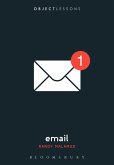
Sometime in the mid-1990s we began, often with some trepidation, to enroll for a service that promised to connect us--electronically and efficiently--to our friends and lovers, our bosses and clients. If it seemed at first like simply a change in scale (our mail would be faster, cheaper, more easily distributed to large groups), we now realize that email entails a more fundamental alteration in our communicative consciousness.
Randy Malamud's Email is written for anyone who feels their attention and their intelligence--not to mention their eyesight--being sucked away, byte by byte, in a deadening tsunami of ill-composed blather and meaningless internet flotsam.
Object Lessons is published in partnership with an essay series in The Atlantic.
Sometime in the mid-1990s we began, often with some trepidation, to enroll for a service that promised to connect us--electronically and efficiently--to our friends and lovers, our bosses and clients. If it seemed at first like simply a change in scale (our mail would be faster, cheaper, more easily distributed to large groups), we now realize that email entails a more fundamental alteration in our communicative consciousness.
Randy Malamud's Email is written for anyone who feels their attention and their intelligence--not to mention their eyesight--being sucked away, byte by byte, in a deadening tsunami of ill-composed blather and meaningless internet flotsam.
Object Lessons is published in partnership with an essay series in The Atlantic.