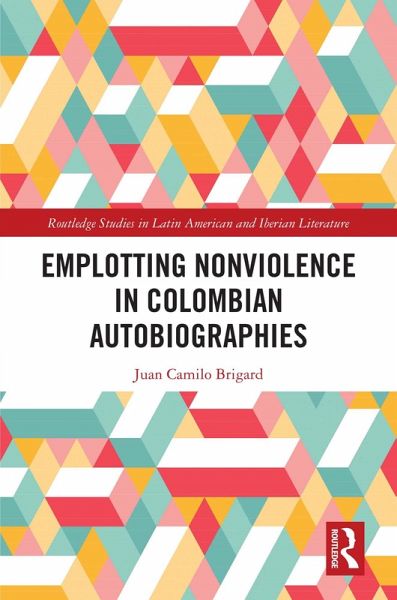
Emplotting Nonviolence in Colombian Autobiographies (eBook, ePUB)
Alle Infos zum eBook verschenken
Emplotting Nonviolence in Colombian Autobiographies (eBook, ePUB)
- Format: ePub
- Merkliste
- Auf die Merkliste
- Bewerten Bewerten
- Teilen
- Produkt teilen
- Produkterinnerung
- Produkterinnerung

Hier können Sie sich einloggen

Bitte loggen Sie sich zunächst in Ihr Kundenkonto ein oder registrieren Sie sich bei bücher.de, um das eBook-Abo tolino select nutzen zu können.
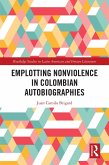
How do individuals upholding an ethos of nonviolence tell their life narratives in places ravaged by armed conflict? With an understanding of violence and nonviolence as socially contingent concepts, Emplotting Nonviolence in Colombian Autobiographies focuses on the life writings of three Colombian social movement leaders (the U'wa Esperanza-Aguablanca's Tengo los pies en la cabeza , the Afrocolombian Rudecindo Castro's Calle caliente , and the LGBTQ+ artivist Manuel Antonio Velandia's De homosexual a marica sujeto de derechos ) and contrasts them with the memoirs of a hegemonic ex-president…mehr
- Geräte: eReader
- mit Kopierschutz
- eBook Hilfe
- Größe: 3.94MB
Juan Camilo BrigardEmplotting Nonviolence in Colombian Autobiographies (eBook, PDF)42,95 €
Human Rights in Colombian Literature and Cultural Production (eBook, ePUB)46,95 €
Rebecca SolnitOrwell's Roses (eBook, ePUB)8,95 €
Farley MowatOtherwise (eBook, ePUB)9,95 €
Tess CosslettTalking Animals in British Children's Fiction, 1786-1914 (eBook, ePUB)56,95 €
Emma StanilandGender and the Self in Latin American Literature (eBook, ePUB)49,95 €
Philipp WirtzDepicting the Late Ottoman Empire in Turkish Autobiographies (eBook, ePUB)42,95 €-
-
-
Dieser Download kann aus rechtlichen Gründen nur mit Rechnungsadresse in A, B, BG, CY, CZ, D, DK, EW, E, FIN, F, GR, HR, H, IRL, I, LT, L, LR, M, NL, PL, P, R, S, SLO, SK ausgeliefert werden.
- Produktdetails
- Verlag: Taylor & Francis eBooks
- Seitenzahl: 318
- Erscheinungstermin: 11. Dezember 2025
- Englisch
- ISBN-13: 9781040618202
- Artikelnr.: 76007661
- Verlag: Taylor & Francis eBooks
- Seitenzahl: 318
- Erscheinungstermin: 11. Dezember 2025
- Englisch
- ISBN-13: 9781040618202
- Artikelnr.: 76007661
- Herstellerkennzeichnung Die Herstellerinformationen sind derzeit nicht verfügbar.
5
1.1. Autobiography as an Interface Between Aesthetics and Politics. 11
1.2. Violence and Nonviolence. 19
1.3. A Contextual Narratology of Contingency. 25
2. The Thrills of "Democratic Security": Uribe Vélez's No Lost Causes. 34
2.1. A Heterobiographical Presidential Memoir-Thriller 35
2.1.1. A Presidential Memoir-Thriller 35
2.1.2. The Thriller-like Emplotment of No Lost Causes. 40
2.1.3. Suspense, Talking Duels and a Polarized Reception. 47
2.1.4. Uribe's Heterobiographical Voice: Hollywoodization as Suture and
Neoliberal Synergy. 49
2.2. A Criollo Colonial Heritage: A Nuclear Family and a Neoliberal
Colombia. 54
2.2.1. Screening Fear Through a Criollo Nuclear Family. 55
2.2.2. Ventriloquizing Collectivity in a Democracy of Absentees. 59
2.2.3. A Colombia Shaped by an Imperial Vision. 66
2.3. Pierced Nonviolence. 71
2.3.1. The State's License to Kill 71
2.3.2. Pierced Nonviolence: Pacification. 78
2.3.3. First as Presidential Memoir-Thriller, then as Tragedy?. 81
3. Embodying a Mythical Realist Transfiguration: Berichá's Tengo los pies
en la cabeza. 87
3.1. A Mythical Realist Autoethnography. 88
3.1.1. Mythical Realism.. 89
3.1.2. A Transcultural Memoir 93
3.1.3. Myths: From the Origin of the World to the U'wa Present 98
3.1.4. Ethnographic Realism.. 99
3.1.5. A Mythical Realist Autoethnography. 102
3.2. Rearticulating Body-Politics and Political Bodies: Berichá's Adoptive
Families, the U'wa, and the National Imaginary. 105
3.2.1. From Evangelized Indigenous Woman to U'wa Author 109
3.2.2. From a Monocultural to a Multicultural Colombia. 113
3.2.3. An Anthropomorphized U'wa Collectivity. 119
3.3. Nonviolent Mythical Inflections of the Real 121
3.3.1. Mythical Realist Transfigurations of Violence. 123
3.3.2. Mythical Realist Nonviolence. 128
3.3.3. A Sense of Belonging in Rejection. 136
4. Ethnicization as Tragedy: Rudecindo Castro's Calle caliente. 143
4.1. A Heterobiography in the Tragic Form.. 144
4.2. Narrating Afro-Diasporic Heritage. 164
4.2.1. A Lineage of Afrocolombian Matrifocal Families. 165
4.2.2. Dialogic Hetero-Self-Citation: Collectivization and Social
Disintegration. 170
4.2.3. A Historically Indebted Colombia: Traditional Historiography Under
Afrocolombian Eyes. 175
4.3. Tragic Nonviolence. 180
4.3.1. Tragic Nonviolence in Calle caliente. 183
4.3.2. A Skeptical Take on Tragedy as a Way of Conclusion. 189
5. Loca Mariquita's Apprenticeship: Manuel Antonio Velandia's De homosexual
a marica sujeto de derechos. 197
5.1. An 'Autobioethnography' of Bildung. 197
5.1.1. A Bildung-Autobioethnography. 197
5.1.2. Affirmative and Disillusionment Bildungsromane: Personality
Development, Responsibilization and Incorporation. 201
5.1.3. The Developmental Linearity of Velandia's Life Story. 203
5.1.4. Velandia's Apprenticeship. 205
5.2. From a Catholic Nuclear Family to a Marica Colombia. 210
5.2.1. From a Catholic Nuclear Family to a Marica Subject of Rights 210
5.2.2. From Catholic Missionary to LGBTQ+ Politician. 215
5.2.3. Narrative Strategies of a Minoritarian Hyperbolic-I 219
5.2.4. From a Catholic to a Queer Cosmopolitan Colombia. 223
5.3. Bildung for Nonviolence 227
5.3.1. Treating People as if They Were Trash. 227
5.3.2. Bildung for Nonviolence: Queer Humor Facing Death Threats. 229
5.3.3. Towards a Self-Ironic Collective Memory?. 235
6. Seizing the Nonviolent Occasion. 241
6.1. A Multidirectional Reading of Political Identities. 242
6.2. Pragmatic and Literary Genres in Comparison. 252
6.3. Heterobiographical Narratives. 257
6.4. Intertwined Narrating Selves and Experiencing-Is: Retrojection,
Liminality, Linear-Developmentalism.. 258
6.5. Families: Nuclear, Unipersonal, Extended, Adoptive. 262
6.6. Compositional Strategies of Individualized Collectivization:
Polyphony, Hetero-Self-Citation, Dialogic Hetero-Self-Citation, Illeism,
and Self-Citation. 265
6.7. Colombographies. 267
6.8. Violence: Crosshatched Processual and Physical Injury vs. Enmeshment
within Processual Harm.. 272
6.9. Emplotting Nonviolence. 276
6.10. Beyond These Nonviolent Narratives: Routes for Future Research 279
9. Works Cited. 290
Index
5
1.1. Autobiography as an Interface Between Aesthetics and Politics. 11
1.2. Violence and Nonviolence. 19
1.3. A Contextual Narratology of Contingency. 25
2. The Thrills of "Democratic Security": Uribe Vélez's No Lost Causes. 34
2.1. A Heterobiographical Presidential Memoir-Thriller 35
2.1.1. A Presidential Memoir-Thriller 35
2.1.2. The Thriller-like Emplotment of No Lost Causes. 40
2.1.3. Suspense, Talking Duels and a Polarized Reception. 47
2.1.4. Uribe's Heterobiographical Voice: Hollywoodization as Suture and
Neoliberal Synergy. 49
2.2. A Criollo Colonial Heritage: A Nuclear Family and a Neoliberal
Colombia. 54
2.2.1. Screening Fear Through a Criollo Nuclear Family. 55
2.2.2. Ventriloquizing Collectivity in a Democracy of Absentees. 59
2.2.3. A Colombia Shaped by an Imperial Vision. 66
2.3. Pierced Nonviolence. 71
2.3.1. The State's License to Kill 71
2.3.2. Pierced Nonviolence: Pacification. 78
2.3.3. First as Presidential Memoir-Thriller, then as Tragedy?. 81
3. Embodying a Mythical Realist Transfiguration: Berichá's Tengo los pies
en la cabeza. 87
3.1. A Mythical Realist Autoethnography. 88
3.1.1. Mythical Realism.. 89
3.1.2. A Transcultural Memoir 93
3.1.3. Myths: From the Origin of the World to the U'wa Present 98
3.1.4. Ethnographic Realism.. 99
3.1.5. A Mythical Realist Autoethnography. 102
3.2. Rearticulating Body-Politics and Political Bodies: Berichá's Adoptive
Families, the U'wa, and the National Imaginary. 105
3.2.1. From Evangelized Indigenous Woman to U'wa Author 109
3.2.2. From a Monocultural to a Multicultural Colombia. 113
3.2.3. An Anthropomorphized U'wa Collectivity. 119
3.3. Nonviolent Mythical Inflections of the Real 121
3.3.1. Mythical Realist Transfigurations of Violence. 123
3.3.2. Mythical Realist Nonviolence. 128
3.3.3. A Sense of Belonging in Rejection. 136
4. Ethnicization as Tragedy: Rudecindo Castro's Calle caliente. 143
4.1. A Heterobiography in the Tragic Form.. 144
4.2. Narrating Afro-Diasporic Heritage. 164
4.2.1. A Lineage of Afrocolombian Matrifocal Families. 165
4.2.2. Dialogic Hetero-Self-Citation: Collectivization and Social
Disintegration. 170
4.2.3. A Historically Indebted Colombia: Traditional Historiography Under
Afrocolombian Eyes. 175
4.3. Tragic Nonviolence. 180
4.3.1. Tragic Nonviolence in Calle caliente. 183
4.3.2. A Skeptical Take on Tragedy as a Way of Conclusion. 189
5. Loca Mariquita's Apprenticeship: Manuel Antonio Velandia's De homosexual
a marica sujeto de derechos. 197
5.1. An 'Autobioethnography' of Bildung. 197
5.1.1. A Bildung-Autobioethnography. 197
5.1.2. Affirmative and Disillusionment Bildungsromane: Personality
Development, Responsibilization and Incorporation. 201
5.1.3. The Developmental Linearity of Velandia's Life Story. 203
5.1.4. Velandia's Apprenticeship. 205
5.2. From a Catholic Nuclear Family to a Marica Colombia. 210
5.2.1. From a Catholic Nuclear Family to a Marica Subject of Rights 210
5.2.2. From Catholic Missionary to LGBTQ+ Politician. 215
5.2.3. Narrative Strategies of a Minoritarian Hyperbolic-I 219
5.2.4. From a Catholic to a Queer Cosmopolitan Colombia. 223
5.3. Bildung for Nonviolence 227
5.3.1. Treating People as if They Were Trash. 227
5.3.2. Bildung for Nonviolence: Queer Humor Facing Death Threats. 229
5.3.3. Towards a Self-Ironic Collective Memory?. 235
6. Seizing the Nonviolent Occasion. 241
6.1. A Multidirectional Reading of Political Identities. 242
6.2. Pragmatic and Literary Genres in Comparison. 252
6.3. Heterobiographical Narratives. 257
6.4. Intertwined Narrating Selves and Experiencing-Is: Retrojection,
Liminality, Linear-Developmentalism.. 258
6.5. Families: Nuclear, Unipersonal, Extended, Adoptive. 262
6.6. Compositional Strategies of Individualized Collectivization:
Polyphony, Hetero-Self-Citation, Dialogic Hetero-Self-Citation, Illeism,
and Self-Citation. 265
6.7. Colombographies. 267
6.8. Violence: Crosshatched Processual and Physical Injury vs. Enmeshment
within Processual Harm.. 272
6.9. Emplotting Nonviolence. 276
6.10. Beyond These Nonviolent Narratives: Routes for Future Research 279
9. Works Cited. 290
Index