44,95 €
inkl. MwSt.
Sofort per Download lieferbar
22 °P sammeln

Andere Kunden interessierten sich auch für
") Essential Psychodynamic Psychotherapy (eBook, PDF)44,95 €
Essential Psychodynamic Psychotherapy (eBook, PDF)44,95 €") The Clinical Paradigms of Donald Winnicott and Wilfred Bion (eBook, ePUB)33,95 €
The Clinical Paradigms of Donald Winnicott and Wilfred Bion (eBook, ePUB)33,95 €") Thomas Ogden (eBook, ePUB)21,95 €
Thomas Ogden (eBook, ePUB)21,95 €") Melanie Klein (eBook, ePUB)24,95 €
Melanie Klein (eBook, ePUB)24,95 €") Psychoanalytic Approaches to Forgiveness and Mental Health (eBook, ePUB)36,95 €
Psychoanalytic Approaches to Forgiveness and Mental Health (eBook, ePUB)36,95 €") Relationality (eBook, ePUB)34,95 €
Relationality (eBook, ePUB)34,95 €") The Kleinian Tradition for Psychotherapists and Counsellors (eBook, ePUB)28,95 €
The Kleinian Tradition for Psychotherapists and Counsellors (eBook, ePUB)28,95 €

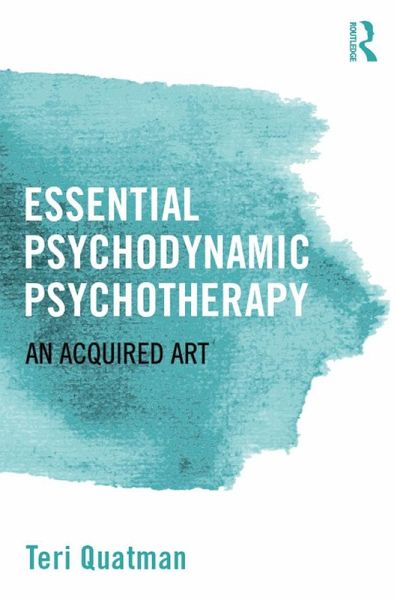
Essential Psychodynamic Psychotherapy: An Acquired Art provides an essential, accessible grounding in current psychodynamic theory and practice for a wide range of readers. For trainees, it offers a very useful toolset to help them make the transition from purely theoretical training to the uncharted territory of clinical practice. For more seasoned therapists and those seeking to deepen their understanding of psychodynamic therapy, it provides conceptual clarity, and may also serve as a stepping stone to more complex and denser psychoanalytic works written for advanced clinicians.
Essential Psychodynamic Psychotherapy: An Acquired Art is an introduction to how to think and work psychodynamically. It is written primarily for those training at a postgraduate level in psychoanalysis and psychodynamic psychotherapy, but reaches well beyond that audience. It is grounded in contemporary psychoanalytic theory, drawing on the work of Winnicott, Bion, and Ogden, all of whom are pivotal in current psychodynamic thought and practice. It also integrates attachment theory and research, and includes fresh contributions from neuropsychological research.
The voice of the book is honest and intimate. The tone is practical. It is written with a clear-minded understanding of contemporary psychodynamic theory that allows the new therapist to access the deepest and richest parts of the therapy itself. It translates many of the key theoretical tenets of psychodynamic psychotherapy, giving the reader a clear (but non-formulaic) guide as to how handle the contours of any analytic session; how to open one's perceptual and emotional apertures as clinician; how to work in and understand "the relationship"; and how to work with the most common intra- and interpersonal problems patients present. This publication will be a valuable guide for new analysts and therapists, and also for those seeking to understand what the world of psychodynamic therapy may hold for them, no matter where they are in their clinical careers.
Dr. Teri Quatman is an Associate Professor of Counseling Psychology in the Graduate Department of Counseling Psychology at Santa Clara University. She earned her Ph.D. from Stanford University in 1990, and has studied, practiced, and taught psychodynamic psychotherapy to graduate students for the past 25 years.
Essential Psychodynamic Psychotherapy: An Acquired Art is an introduction to how to think and work psychodynamically. It is written primarily for those training at a postgraduate level in psychoanalysis and psychodynamic psychotherapy, but reaches well beyond that audience. It is grounded in contemporary psychoanalytic theory, drawing on the work of Winnicott, Bion, and Ogden, all of whom are pivotal in current psychodynamic thought and practice. It also integrates attachment theory and research, and includes fresh contributions from neuropsychological research.
The voice of the book is honest and intimate. The tone is practical. It is written with a clear-minded understanding of contemporary psychodynamic theory that allows the new therapist to access the deepest and richest parts of the therapy itself. It translates many of the key theoretical tenets of psychodynamic psychotherapy, giving the reader a clear (but non-formulaic) guide as to how handle the contours of any analytic session; how to open one's perceptual and emotional apertures as clinician; how to work in and understand "the relationship"; and how to work with the most common intra- and interpersonal problems patients present. This publication will be a valuable guide for new analysts and therapists, and also for those seeking to understand what the world of psychodynamic therapy may hold for them, no matter where they are in their clinical careers.
Dr. Teri Quatman is an Associate Professor of Counseling Psychology in the Graduate Department of Counseling Psychology at Santa Clara University. She earned her Ph.D. from Stanford University in 1990, and has studied, practiced, and taught psychodynamic psychotherapy to graduate students for the past 25 years.
Dieser Download kann aus rechtlichen Gründen nur mit Rechnungsadresse in A, B, BG, CY, CZ, D, DK, EW, E, FIN, F, GR, HR, H, IRL, I, LT, L, LR, M, NL, PL, P, R, S, SLO, SK ausgeliefert werden.
"I will get right to the point: this is the best introduction to the practice of psychoanalytic psychotherapy that I have ever read, bar none. There are many introductory texts, but none that I have read achieves the level of intimacy with the reader in the process of assisting him or her in the difficult work of becoming a psychoanalytic psychotherapist. My scribblings in the margins of the book are a response to the depth of understanding of the ideas Quatman discusses and to the intelligence and compassion reflected in her accounts of her own clinical experience. Most of all I stand in awe and appreciation of the unpretentious, unselfconscious wisdom that weaves through every page." - Thomas Ogden
"I cannot recommend this book too highly. It is essential reading for those dipping their toes into psychodynamic waters, and for strong swimmers too. Beautifully and accessibly written, we are in the presence of an inspired teacher and practitioner who brings her deep clinical experience to bear on current findings from neurobiology and the relational, reverie-based ideas, of Ogden, Bion and Winnicott. I will surely take its place as essential reading for courses in psychodynamic counselling and psychoanalytic therapy." - Jeremy Holmes
"It is excellent both at calming and containing disquietude and also at presenting 'the broad strokes' (p111) of object relations theory, thus inviting the reader to develop both their practice and their learning further." - Yvonne Farley. Therapy Today
"I cannot recommend this book too highly. It is essential reading for those dipping their toes into psychodynamic waters, and for strong swimmers too. Beautifully and accessibly written, we are in the presence of an inspired teacher and practitioner who brings her deep clinical experience to bear on current findings from neurobiology and the relational, reverie-based ideas, of Ogden, Bion and Winnicott. I will surely take its place as essential reading for courses in psychodynamic counselling and psychoanalytic therapy." - Jeremy Holmes
"It is excellent both at calming and containing disquietude and also at presenting 'the broad strokes' (p111) of object relations theory, thus inviting the reader to develop both their practice and their learning further." - Yvonne Farley. Therapy Today