21,95 €
inkl. MwSt.
Sofort per Download lieferbar
11 °P sammeln

Andere Kunden interessierten sich auch für
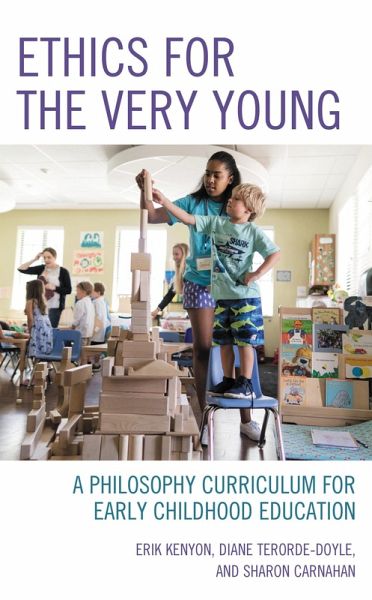
") Ethics for the Very Young (eBook, ePUB)21,95 €
Ethics for the Very Young (eBook, ePUB)21,95 €") Moving Forward in the Study of Temperament and Early Education Outcomes (eBook, PDF)39,95 €
Moving Forward in the Study of Temperament and Early Education Outcomes (eBook, PDF)39,95 €") Nurturing Self-Regulation in Early Childhood (eBook, PDF)21,95 €
Nurturing Self-Regulation in Early Childhood (eBook, PDF)21,95 €") Wellbeing Explained (eBook, PDF)18,95 €
Wellbeing Explained (eBook, PDF)18,95 €") Affirming the Rights of Emergent Bilingual and Multilingual Children and Families (eBook, PDF)41,95 €
Affirming the Rights of Emergent Bilingual and Multilingual Children and Families (eBook, PDF)41,95 €") Enhancing Circle Time for the Very Young (eBook, PDF)31,95 €
Enhancing Circle Time for the Very Young (eBook, PDF)31,95 €") Breaking the STEM Stereotype (eBook, PDF)23,95 €
Breaking the STEM Stereotype (eBook, PDF)23,95 €



Can you be brave if you're afraid? Why do we "know better" and do things anyway? What makes a family? Philosophers have wrestled with such questions for centuries. They are also the stuff of playground debates. Ethics for the Very Young uses the perplexities of young children's lives to spark philosophical dialogue. Its lessons scaffold discussion through executive function games (Telephone, Red Light Green Light), dialogic reading of picture books and Reggio Emilia's art-based inquiry. In the process, children develop skills of dialogue and critical thinking through increased selective attention, self-control, cognitive flexibility and perspective taking. While the elements of this method are familiar, they are here fused into an organic whole grounded in the history of philosophy and defended by current work in developmental psychology. Building on Wartenberg's Big Ideas for Little Kids, the present curriculum uses a series of 23 picture books to frame discussions of character, bravery, self-control, friendship, the greater good, respect and care. Its goal is not to "teach morals" but to help children articulate and develop their own perspectives through dialogue with each other. Each lesson presents teachers' reflections on how this exploration of life's enduring questions transformed their school's culture.