36,95 €
inkl. MwSt.
Sofort per Download lieferbar
18 °P sammeln

Andere Kunden interessierten sich auch für
") The Political Theory of Che Guevara (eBook, PDF)33,95 €
The Political Theory of Che Guevara (eBook, PDF)33,95 €") Protest Movements and Parties of the Left (eBook, PDF)33,95 €
Protest Movements and Parties of the Left (eBook, PDF)33,95 €") The Resistible Corrosion of Europe's Center-Left After 2008 (eBook, PDF)38,95 €
The Resistible Corrosion of Europe's Center-Left After 2008 (eBook, PDF)38,95 €") Case Studies in the Origins of Capitalism (eBook, PDF)64,95 €
Case Studies in the Origins of Capitalism (eBook, PDF)64,95 €") The Radical Left in Europe in the Age of Austerity (eBook, PDF)41,95 €
The Radical Left in Europe in the Age of Austerity (eBook, PDF)41,95 €") Re-Imagining a Politics of Life (eBook, PDF)35,95 €
Re-Imagining a Politics of Life (eBook, PDF)35,95 €") The Tragedy of Human Development (eBook, PDF)33,95 €
The Tragedy of Human Development (eBook, PDF)33,95 €







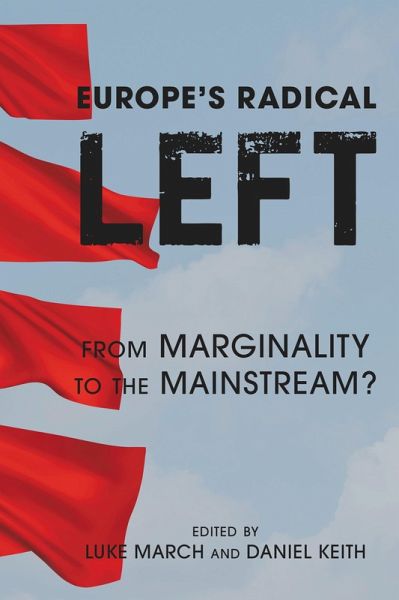
Although the most pernicious consequences of the crisis have apparently abated, the long-term political repercussions remain unclear. Whereas most attention has focused on the right-wing populist parties, the rejuvenation of the left is an unwritten story of post-crisis politics. This volume addresses this story, with three principal aims: to examine the radical left intellectual response to the crisis, i.e. how actors conceptualise the causes of crisis and its consequences; to examine the radical left electoral response to the crisis, i.e. how the crisis has aided or weakened the electoral success of radical left parties and movements; to examine organisational responses, i.e. whether the crisis has resulted in new party structures, methods of organising, and internal party tendencies. The result is a comprehensive compendium, drawing on cutting-edge research from leading European experts to present the first comparative analysis of how the far left of the political spectrum has responded to the crisis. It furthers our understanding both of the dynamics of European party systems and the wider consequences of the Great Recession.