12,95 €
inkl. MwSt.
Sofort per Download lieferbar
6 °P sammeln

Andere Kunden interessierten sich auch für
") Everyday Science Mysteries (eBook, PDF)11,95 €
Everyday Science Mysteries (eBook, PDF)11,95 €") Young People, Physical Activity and the Everyday (eBook, PDF)55,95 €
Young People, Physical Activity and the Everyday (eBook, PDF)55,95 €") Everyday Teacher Leadership (eBook, PDF)17,99 €
Everyday Teacher Leadership (eBook, PDF)17,99 €") The Power of Assessment in the Classroom (eBook, PDF)64,95 €
The Power of Assessment in the Classroom (eBook, PDF)64,95 €") Everyday Mobile Belonging (eBook, PDF)26,95 €
Everyday Mobile Belonging (eBook, PDF)26,95 €") Building the Science Department (eBook, PDF)17,95 €
Building the Science Department (eBook, PDF)17,95 €") Assessing Science Learning (eBook, PDF)13,95 €
Assessing Science Learning (eBook, PDF)13,95 €
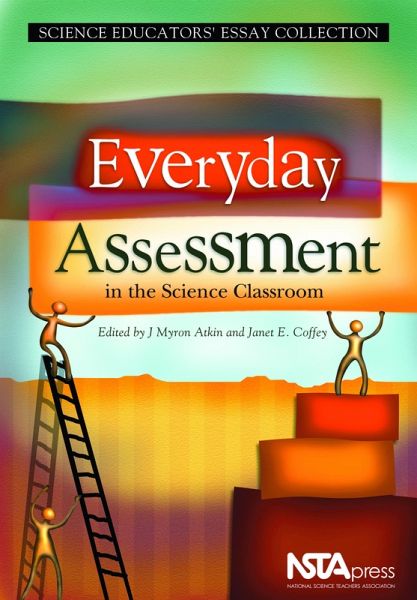
Make ongoing, classroom-based assessment second nature to your students and you. Everyday Assessment in the Science Classroom is a thought-provoking collection of 10 essays on the theories behind the latest assessment techniques. The authors offer in-depth how to suggestions on conducting assessments as a matter of routineespecially in light of high-stakes standards-based exams, using assessment to improve instruction, and involving students in the assessment process.
Dieser Download kann aus rechtlichen Gründen nur mit Rechnungsadresse in A, D ausgeliefert werden.